


(Toronto International Film Festival)
 TIFF 2026 Banner | Courtesy of the Toronto International Film Festival
The Toronto International Film Festival returns from September 10th to 20th, 2026, for its 51st edition, bringing 293 titles to Toronto across one of the broadest festival programmes in the world. And, because it is 2026, 26 films also felt like an appropriately unnecessary number to count down.
This TIFF preview is not simply a list of the biggest premieres or the films already sitting at the top of everybody else’s TIFF schedule. There are plenty of those here, because ignoring something like Fjord for the sake of being contrarian would be equally silly. But the goal is to balance those major titles with Canadian work, Midnight Madness possibilities, Wavelengths selections, international discoveries, and films that could be easier to overlook when the schedule first drops. You can also look back at my TIFF 2025 preview for last year’s priorities.
The ranking is also about TIFF priority rather than trying to predict some definitive list of the festival’s 26 best films. Availability outside the festival, previous festival momentum, the filmmakers involved, the particular value of seeing something with a TIFF audience, and my own interests all play a role. Hopefully, somewhere in these 26 films, there are a few that end up moving higher on your own list.
26. Fjord
Premiere Status: Canadian Premiere
Programme: Special Presentations
Notable Festivals: Cannes Film Festival 2026: Palme d’Or, FIPRESCI Prize
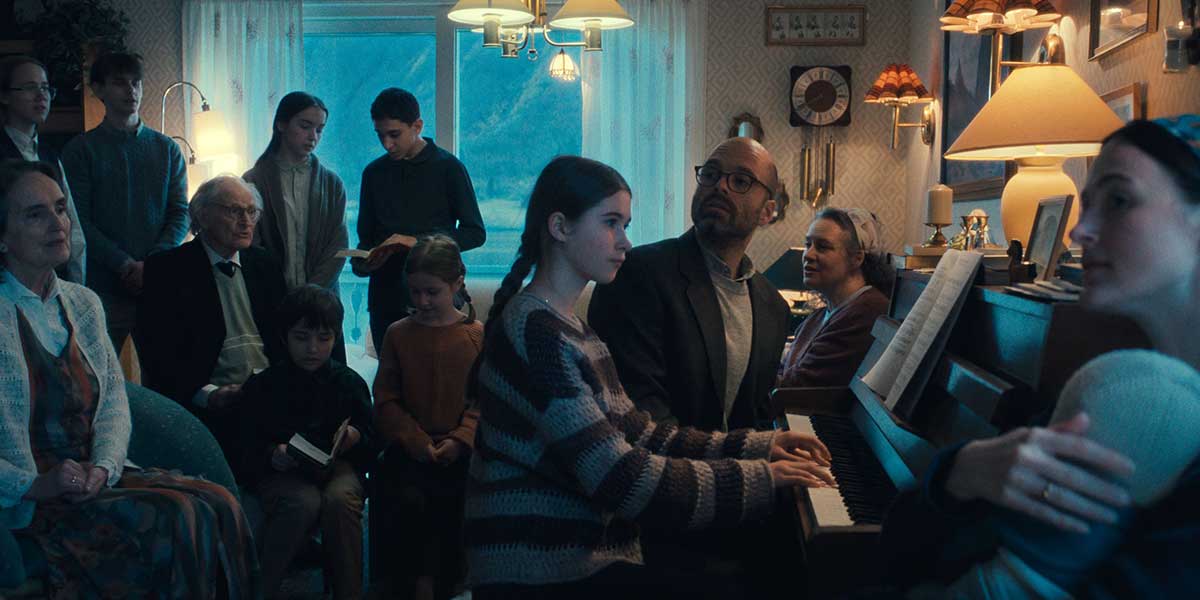
What is Fjord About?
(from TIFF 2026 – Dorota Lech)
In the latest from masterful Cristian Mungiu (Graduation, TIFF ’16; R.M.N, TIFF ’22), Lisbet (Renate Reinsve, TIFF ’25’s Sentimental Value) and Mihai Gheorghiu (Sebastian Stan, TIFF ’23’s Dumb Money) are a conservative Christian couple who’ve relocated from Romania to an isolated Norwegian town with their five children.
Unlike their new neighbours, the Gheorghius enforce daily bible study and don’t allow trappings like smartphones and YouTube. The family’s rigid beliefs cause a stir when one of the children is accused of introducing religious bias into their school by criticizing another student’s sexual orientation. This, however, is just the beginning of the family’s problems. When a teacher notices a bruise on another of their kids, a cascade of events — mimicking the avalanches we see behind the schoolyard in the icy locale — is set in motion.
Unlike her strong-willed husband, Lisbet, Norwegian by birth, is fluent in the local language and adept at navigating cultural nuances. Meanwhile, Mihai, steadfast in what he sees as his right to educate his offspring as he sees fit, admits to the occasional spanking. This triggers a storm of controversy — and is certain to evoke strong, varying opinions from viewers.
Director: Cristian Mungiu
Cast: Sebastian Stan, Renate Reinsve
Why Fjord Might Be Worth a Watch
Starting at number 26 with the reigning Palme d’Or winner probably gives away how ridiculous the depth of this TIFF lineup is. Cristian Mungiu has now won Cannes’ top prize twice, almost 20 years after 4 Months, 3 Weeks and 2 Days, and Fjord places him back in the kind of moral territory where he tends to be most interesting. Parenting, religion, cultural difference, prejudice, institutional authority, and the limits of intervention all collide in a situation where several people can believe they are acting responsibly while understanding responsibility in completely different ways.
Sebastian Stan and Renate Reinsve give the film two increasingly prominent actors at its centre, while the Cannes response has already removed much of the question around whether this will become a major festival conversation. The practical reason it sits this low is that nobody needs me to tell them a two-time Palme-winning filmmaker has made a TIFF priority. This is one of the obvious ones.
25. Bucking Fastard
Premiere Status: Canadian Premiere
Programme: Special Presentations
Notable Festivals: Venice Film Festival 2026
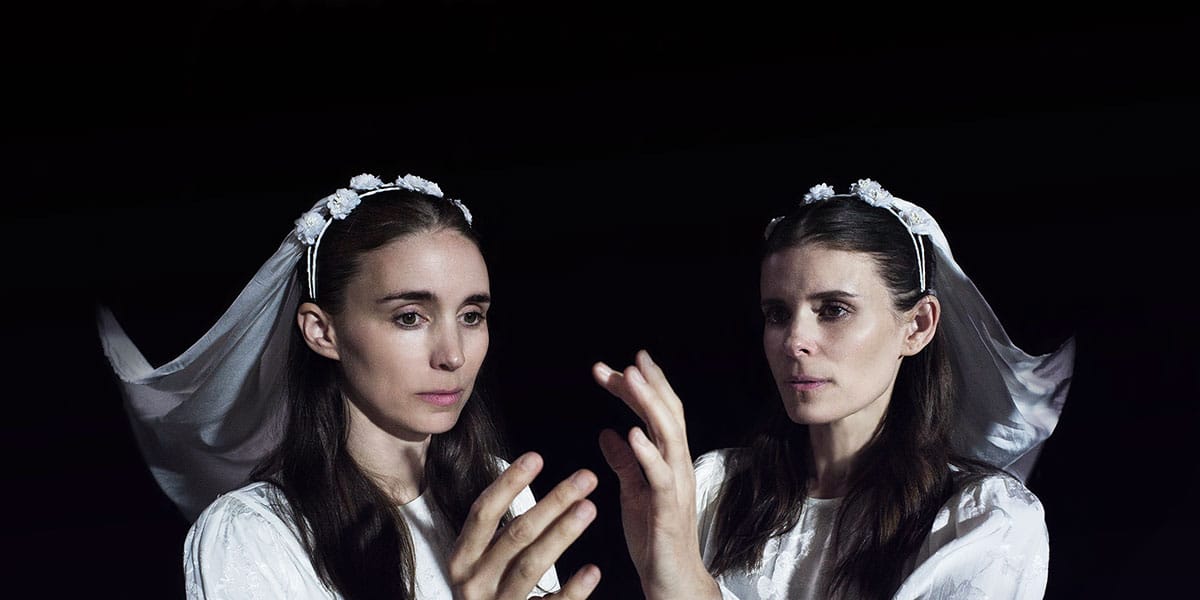
What is Bucking Fastard About?
(from TIFF 2026 – Anita Lee)
Filmmaker Werner Herzog is renowned for stories about highly unique characters. With Bucking Fastard, he tells the tale of sisters Jean and Joan Holbrooke, played by real-life siblings Rooney Mara (Women Talking, TIFF ’22) and Kate Mara (Friendship, TIFF ’24).
The Holbrookes speak in unison, dress alike, have shared dreams, and, consequentially, fall in love with the same man (Orlando Bloom, The Cut, TIFF ’24). The sisters’ obsession with their lover reaches a boiling point which ultimately must be resolved in court. Jean and Joan passionately defend themselves side by side as they have their whole lives, showing their unusual bond. A media frenzy, driven by the sisters’ strange and inextricably bound lives, inevitably ensues.
Hoping to escape the scrutiny of the trial and their heartache, the sisters seek various forms of refuge and encounter trials and tribulations along the way.
Director: Werner Herzog
Cast: Kate Mara, Rooney Mara, Orlando Bloom, Domhnall Gleeson
Why Bucking Fastard Might Be Worth a Watch
It is difficult to make a TIFF list involving a new Werner Herzog narrative feature and pretend that is anything other than an event. Herzog has spent more than six decades moving between fiction and documentary, from Aguirre, the Wrath of God and Fitzcarraldo to Grizzly Man and Cave of Forgotten Dreams, but this is his first narrative feature in seven years.
The premise also has the particular strain of obsession that fits comfortably within his filmography. Real-life sisters Kate Mara and Rooney Mara appear together on screen for the first time as Jean and Joan Holbrooke, women whose closeness becomes so consuming that they speak in unison and pursue the same impossible romantic ideal.
With its Venice competition premiere happening immediately before TIFF, Toronto will at least have a little more context by the time it arrives. For now, Herzog directing the Mara sisters as women digging into a mountain in pursuit of love is enough.
24. How We Stand
Premiere Status: World Premiere
Programme: Centrepiece

What is How We Stand About?
(from TIFF 2026 – Kelly Boutsalis)
Based on writer-director Marie Clements’ (Bones of Crows, TIFF ’22) own play Tombs of the Vanishing Indian, How We Stand is a riveting drama of sisters whose lives are shaped by government policies meant to eradicate Indigenous people.
In 1950s Oklahoma, a single mother (Cara Jade Myers, Killers of the Flower Moon) and her three young daughters take a risk on the Native American Relocation Program, and journey to Los Angeles. But instead of the promised career and stability, they find the opposite. A traumatic event takes place in the Los Angeles’ river’s concrete channel, which then becomes a crucial place for the sisters in its aftermath.
Divided into different foster homes, we meet them again 20 years later, as young women. Jessie (Amber Midthunder, Rez Ball, TIFF ’24) is a doctor, about to start a new job at a clinic alongside her husband, while her sister Miranda (Alyssa Wapanatâhk, Bones of Crows, TIFF ’22) is an activist trying her hand at acting. Lastly, Janey (Isabel DeRoy-Olson, Fancy Dance) is in distress, fresh from a trauma she can’t express. Their paths are very different, but all are tinged by historical injustices.
Director: Marie Clements
Cast: Amber Midthunder, Alyssa Wapanatâhk, Cara Jade Myers, Isabel DeRoy-Olson, Darren Mann, Eric Johnson, Gil Bellows, Mary Walsh, Gary Farmer, Tonantzin Carmelo
Why How We Stand Might Be Worth a Watch
Marie Clements returns to TIFF after Bones of Crows with another project engaging directly with the systems used to sever Indigenous families from community, culture, and land. Adapted from her own play Tombs of the Vanishing Indian, How We Stand begins with the promise of greater opportunity attached to relocation and follows what happens after that promise instead results in loss and separation.
The historical context is heavy, but reducing the film to institutional trauma would miss the equally important story of sisterhood running through it. Clements is also incorporating magical realism rather than treating the material as a straightforward historical reconstruction, opening up possibilities around memory, absence, and the ways family connections survive displacement.
The cast brings together Amber Midthunder, Alyssa Wapanatâhk, Cara Jade Myers, Isabel DeRoy-Olson, and Gary Farmer, among others. As a TIFF world premiere, this is one of the Canadian films arriving without years of festival discourse already surrounding it.
23. River
Premiere Status: World Premiere
Programme: Midnight Madness: Opening Night
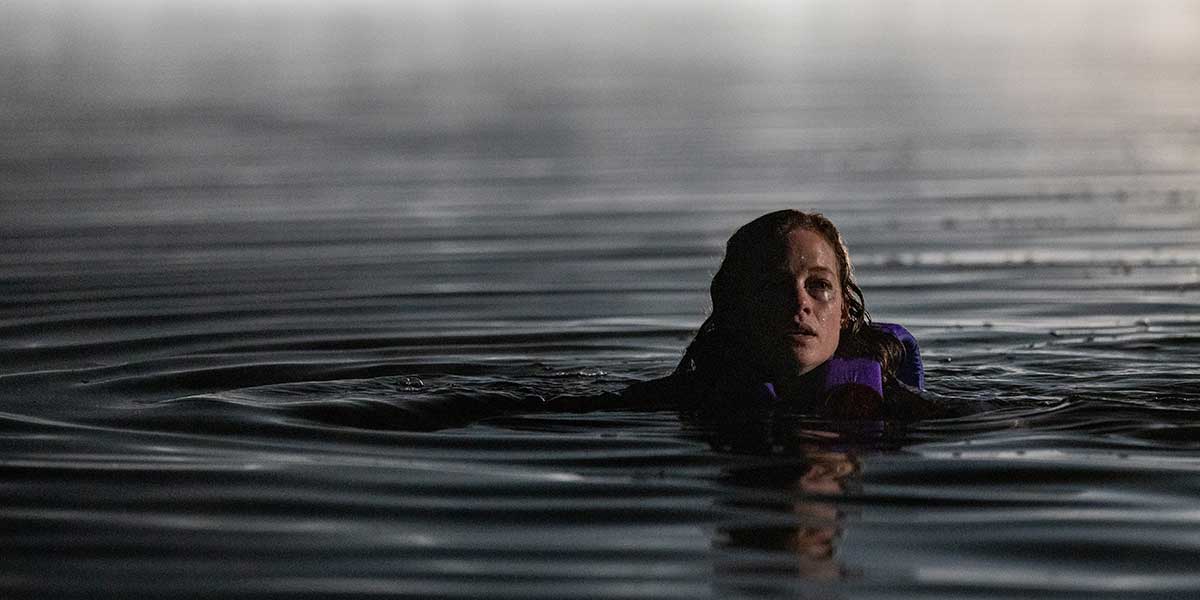
What is River About?
(from TIFF 2026 – Peter Kuplowsky)
Having convened to scatter the ashes of their late father from a family motorboat, embittered sisters (Jane Levy, TIFF ’14’s Bang Bang Baby, and Jessica Rothe, TIFF ’23’s Boy Kills World), and their younger brother (Max Mattern, television’s Cape Fear) stall out beneath a derelict bridge along a rural waterway. Familial wounds are provoked, and fingers are pointed, first at each other, but soon at the sudden appearance of a strange man (Dane DiLiegro, Prey) eerily staring from the shoreline. Tall and statuesque, the figure’s face is seemingly without features or emotion, just a palpable, anonymous malevolence. And when he stops merely staring, the family must come together and start surviving.
From that anxious fulcrum, the open water becomes oppressively claustrophobic. And as a pastoral surrealism seeps into this dire strait, the suspense is wound with such austere starkness that its naked machinations are wickedly weaponized to play with the expectations of even the savviest slasher scholar.
Director: Joshua Giuliano
Cast: Jane Levy, Jessica Rothe, Max Mattern, Dane DiLiegro
Why River Might Be Worth a Watch
At some point in a 26-film TIFF list, somebody needs to get chased through the woods. River is here to provide that service. More importantly, TIFF choosing Joshua Giuliano‘s feature debut to open Midnight Madness is a substantial show of confidence in a filmmaker making the jump from shorts.
The setup is almost refreshingly simple: grieving siblings, a broken boat, an isolated river, and a threat closing in. That simplicity puts a lot of pressure on execution, but the casting gives Giuliano some useful genre experience to work with. Jane Levy has Evil Dead and Don’t Breathe behind her, while Jessica Rothe proved with the Happy Death Day films that she can carry horror without losing the character underneath it.
Giuliano also developed the feature out of his short In Sound, We Live Forever, giving the project roots in work he has already been refining. This is exactly the sort of world premiere that can suddenly become a Midnight Madness talking point.
22. Ha-Chan, Shake Your Booty!
Premiere Status: Canadian Premiere
Programme: Centrepiece
Notable Festivals: Sundance Film Festival 2026: Directing Award, U.S. Dramatic
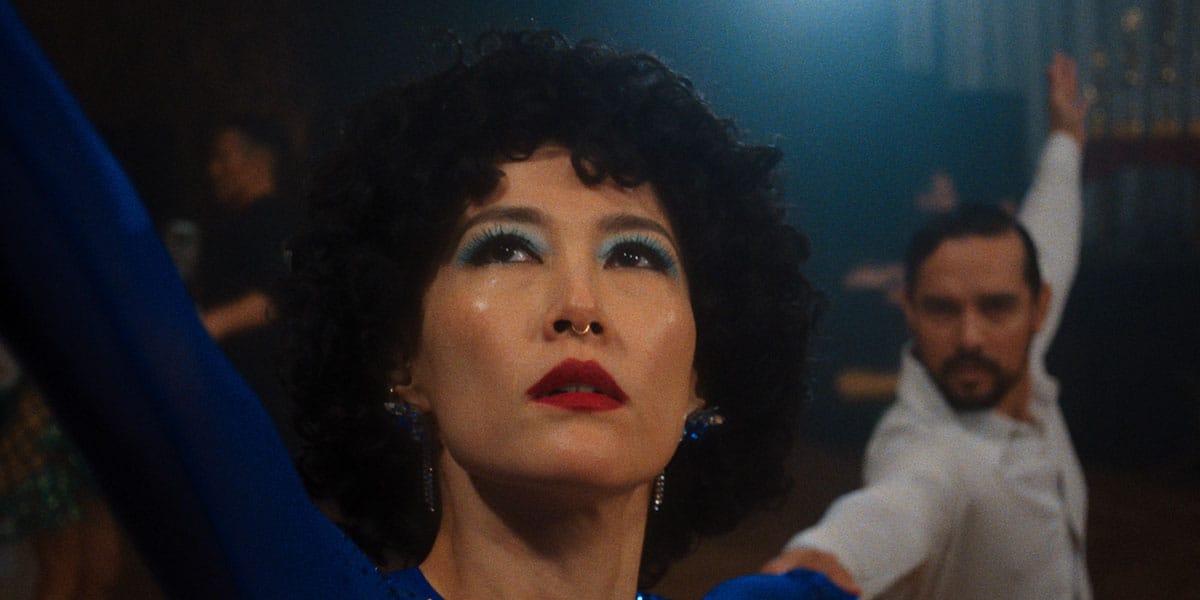
What is Ha-Chan, Shake Your Booty! About?
(from TIFF 2026 – Anita Lee)
Haru (Kikuchi) always has one foot in fantasy. When she and her husband Luis (Alejandro Edda) take to the dance floor, they ascend high above their fellow hoofers. When Luis is suddenly taken from Haru, her passion for ballroom dancing — her passion for life — is gutted in tandem.
Depression sets in, her dog goes to live with her sister, and she is visited regularly by a colossal crow, an emblem of the man with whom she once shared her life. It is only when destiny presents Haru with a new Spanish dance instructor (Alberto Guerra) that a sense of purpose returns in the form of romantic pursuit, fuelled by vibrant new daydreams — including the realm of Dirty Dancing. But can Haru make room in her heart for another poised partner?
Director: Josef Kubota Wladyka
Cast: Rinko Kikuchi, Alberto Guerra, Alejandro Edda, YOU, Yoh Yoshida, Damián Alcázar, Soji Arai
Why Ha-Chan, Shake Your Booty! Might Be Worth a Watch
The broad ingredients of Ha-Chan, Shake Your Booty! (grief, losing a partner, and trying to rebuild a life afterward) are not exactly unfamiliar. The more interesting part is how Josef Kubota Wladyka approaches them. Ballroom dance, melodrama, comedy, desire, and increasingly subjective passages of memory give the film several ways to externalize emotions that could otherwise settle into a conventional grief drama.
Rinko Kikuchi is especially interesting here because Wladyka was not casting her cold. After directing her on Tokyo Vice, he rewrote Haru specifically for Kikuchi, and the role asks her to move between grief, comedy, romantic desire, surreal fantasy, and the physical demands of ballroom dance. The dance material is also deeply personal for Wladyka. He has described the film as a dedication to the spirit of his mother, a single mother who raised three boys and relied on ballroom dancing to get through difficult periods of her life. At 81, she is still competing.
Sundance gave Wladyka the U.S. Dramatic Directing Award in January, so TIFF is not introducing an unknown quantity here. But surrounded by larger red-carpet premieres, this still has the potential to become one of those Centrepiece films people realize they should have paid more attention to.
21. Smudge the Blades
Premiere Status: World Premiere
Programme: Centrepiece
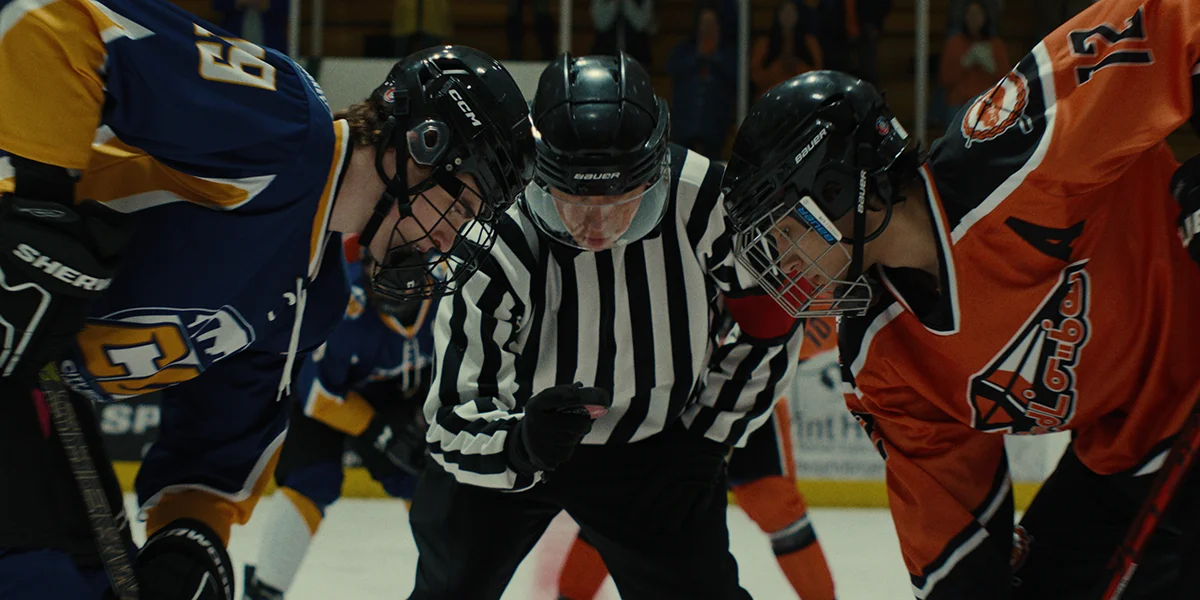
What is Smudge the Blades About?
(from TIFF 2026 – Kelly Boutsalis)
This second feature film from director, and actor, writer Cody Lightning is grittier and more dramatic than his debut, Hey, Viktor, but with more heart — and a cast from Rez Ball, Reservation Dogs, The Office, and Rutherford Falls.
The Treaty 6 Blades are a struggling U-18 team of teen boys — and one girl, Jaycee Pipestem (Paulina Alexis) — led by their coach (Ed Helms), in their last year of eligibility. When their team is kicked out of the league, the local arena’s Zamboni driver (Lightning) offers to coach. Technically, his intentions aren’t pure, as he has his sights set on wooing hockey mom Chanelle Okimâw (Jana Schmieding), but despite his shortcomings, the underdog team begins to finally come together.
Director: Cody Lightning
Cast: Cody Lightning, Jana Schmieding, Paulina Alexis, Ed Helms
Why Smudge the Blades Might Be Worth a Watch
I loved Cody Lightning‘s Hey, Viktor!, which took his own history as a child actor in Smoke Signals and turned it into a wonderfully self-deprecating comedy about somebody refusing to let go of the smallest amount of fame. Smudge the Blades is a very different film, but Lightning’s sense of humour makes an Indigenous hockey comedy particularly appealing. TIFF has invoked the underdog-sports tradition of The Bad News Bears and The Mighty Ducks, and that is probably the easiest way into the premise.
The more specific draw is the culture around the Treaty 6 Blades themselves: young Indigenous players approaching the end of their time together, navigating hockey, community, friendship, and whatever comes next. Shooting around Edmonton also gives the film a regional specificity that should keep it from becoming a generic sports template with different jerseys. Add Paulina Alexis, Jana Schmieding, and the unexpected presence of Ed Helms, and this could be one of TIFF’s warmer Canadian crowd-pleasers.
20. Club Kid
Premiere Status: Canadian Premiere
Programme: Special Presentations
Notable Festivals: Cannes Film Festival 2026: Un Certain Regard
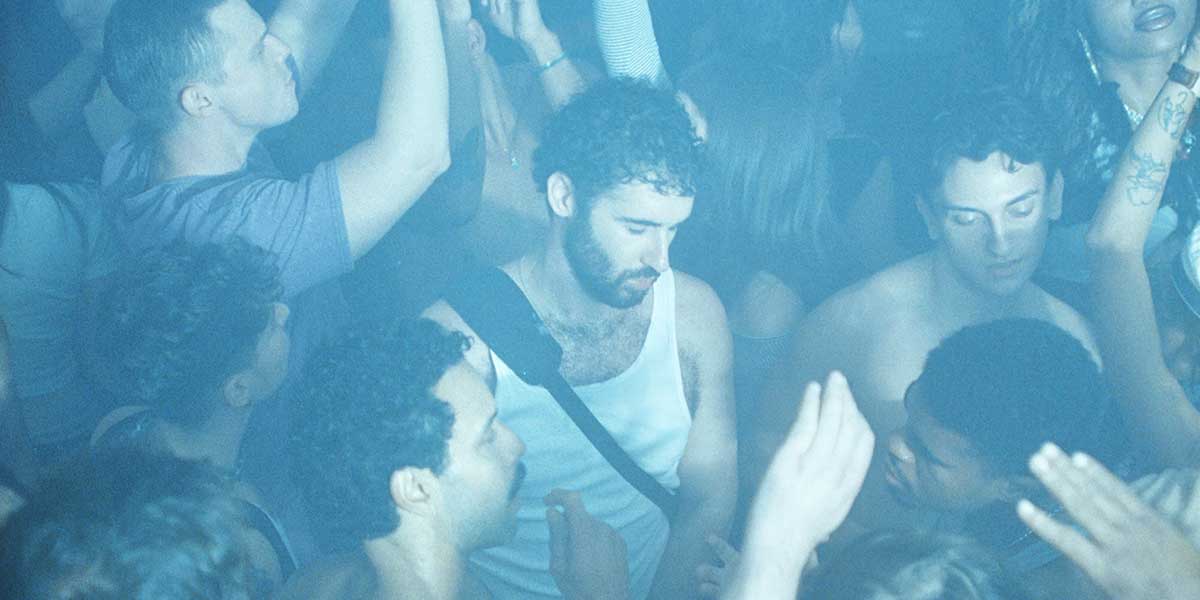
What is Club Kid About?
(from TIFF 2026 – Peter Kuplowsky)
For Peter Green (Jordan Firstman), a promoter and purveyor of… shall we say… stimulating party favours in the queer New York club scene, the party never stops. Each revelry blurs into the next, with restraint and responsibility perpetually foisted upon others, especially his fed-up business partner Sophie (Cara Delevingne). But on the precipice of losing another decade to the rhythm of the night, reality bites in the form of his surprise parentage to 10-year-old Arlo (Reggie Absolom), the result of a half-remembered hookup. When his mother unexpectedly dies, the boy is thrust straight into Peter’s carousing care.
Firstman’s spirited debut feature as writer and director bops to familiar beats as his affably incorrigible Peter tackles fatherdom, first with trepidation, and soon with enthusiasm as his precocious child’s propensity for DJ mixing becomes a springboard to endearing if precarious father-son bonding, though this is later threatened by encroaching custodial factors.
Director: Jordan Firstman
Cast: Jordan Firstman, Cara Delevingne, Diego Calva, Reggie Absolom, Kirby Howell-Baptiste, Colleen Camp
Why Club Kid Might Be Worth a Watch
Jordan Firstman‘s feature debut went into Cannes as a curiosity and came out with considerably more pressure attached to it. The Un Certain Regard response sparked a major acquisition battle, with A24 ultimately paying a reported $17 million for worldwide rights. That is a remarkable amount of confidence to place in a first feature without a conventional giant movie star carrying it.
Firstman writes, directs, and plays the ageing party promoter at the centre, which naturally raises the question of whether the film can expand beyond the persona people already associate with him. Early festival attention points toward a more earnest father-son story underneath the queer nightlife, comedy, and excess.
The craft is also more ambitious than the premise might initially suggest: Adam Newport-Berra shot the film on 35mm, while Firstman has discussed influences ranging from Scorsese and Andrew Haigh (spoiler: he might be coming up later on this list) to Olivier Assayas and Agnès Varda. That combination makes the emotional sincerity as interesting as the parties.
19. Tangles
Premiere Status: North American Premiere
Programme: Centrepiece
Notable Festivals: Cannes Film Festival 2026, Annecy International Animation Film Festival 2026
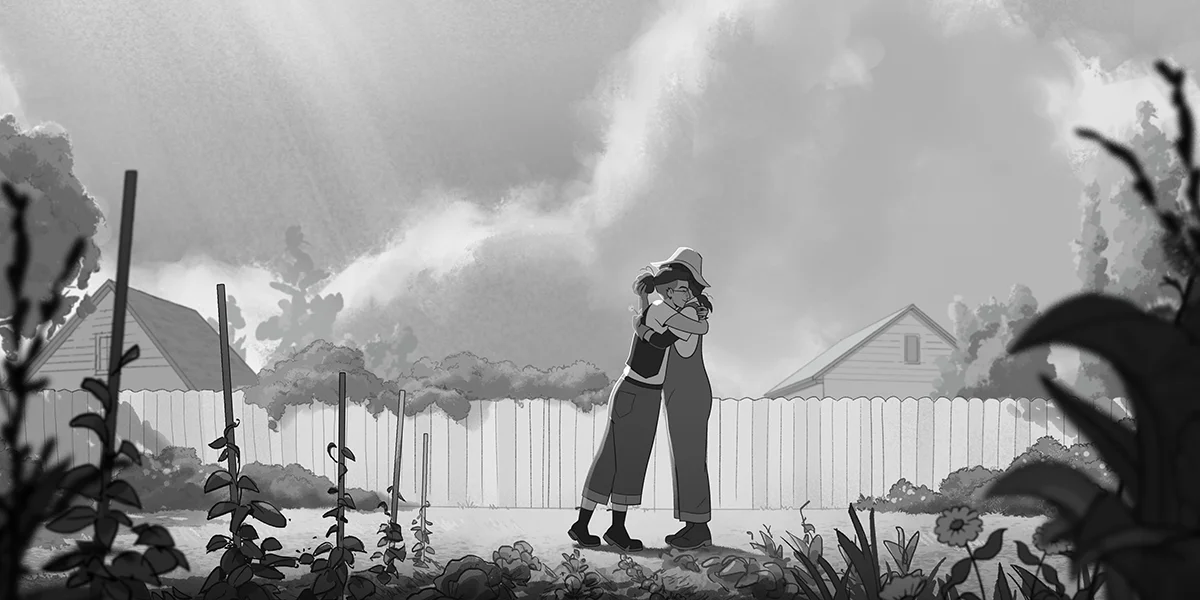
What is Tangles About?
(from TIFF 2026 – Kelly Boutsalis)
Set in San Francisco in the ’90s, Tangles follows the story of Sarah, a young woman whose life is just beginning to tip into the stuff her dreams are made of — new opportunities to illustrate, a new romance with a bad-ass motorcycle-riding girlfriend named Donimo — when the pull of responsibility calls for her. Sarah’s lively mother Midge is battling Alzheimer’s disease, and the rest of the family is struggling to come to terms with the diagnosis.
The animation is perfectly paired with an incredible cast. Sarah is voiced by Broad City’s Abbi Jacobson, Julia Louis-Dreyfus (Enough Said, TIFF ’13) is unforgettable as Midge, Bryan Cranston (The Upside, TIFF ’17) voices Midge’s husband Rob, Beanie Feldstein plays Sarah’s sister Hannah, and Samira Wiley is Donimo.
Director: Leah Nelson
Voice Cast: Abbi Jacobson, Julia Louis-Dreyfus, Bryan Cranston, Beanie Feldstein, Seth Rogen, Samira Wiley, Pamela Adlon, Sarah Silverman, Bowen Yang, Wanda Sykes
Why Tangles Might Be Worth a Watch
Tangles pairs an enormous voice cast with deeply personal source material. Leah Nelson is adapting Sarah Leavitt‘s graphic memoir about her mother’s Alzheimer’s disease, with Abbi Jacobson voicing Sarah and Julia Louis-Dreyfus playing her mother, Midge.
The animation gives Nelson a way to approach memory as something unstable rather than merely explaining its loss through dialogue. A predominantly black-and-white visual language is interrupted by colour at particular emotional points, making the form part of how the family experiences illness and recollection. Just as importantly, the film is not treating Alzheimer’s exclusively as a mechanism for sadness.
The humour, irritation, affection, and messiness of family life remain present alongside the grief. After Cannes and Annecy, TIFF gives the film its North American premiere, and it should provide a very different kind of emotional register from the live-action family dramas surrounding it.
18. Once Upon a Time in Harlem
Premiere Status: Canadian Premiere
Programme: Wavelengths
Notable Festivals: Sundance Film Festival 2026, Cannes Directors’ Fortnight 2026
What is Once Upon a Time in Harlem About?
(from TIFF 2026 – Andrea Picard)
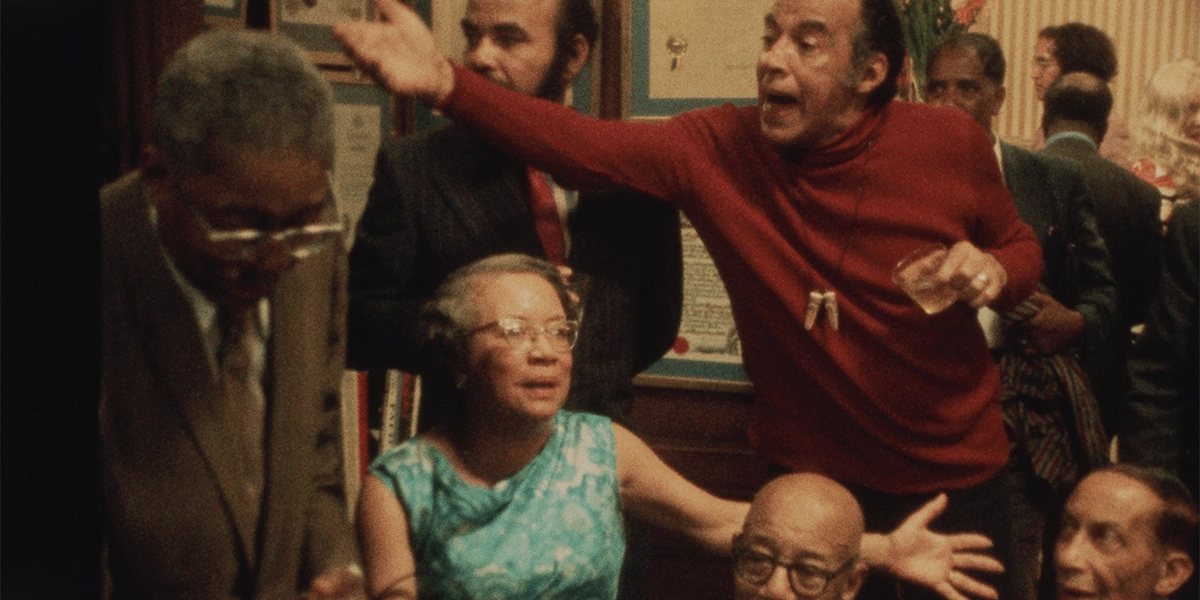
One afternoon in August 1972, at the behest of legendary, genre-defying filmmaker William Greaves, a coterie of luminaries from the Harlem Renaissance gathered — with cameras rolling — for an intimate party in Duke Ellington’s townhouse. Fifty years later, completed by Greaves’ son David, Once Upon a Time in Harlem has emerged as a rapturous living archive of one of the most important artistic movements of the 20th century and, posthumously, one of the most important works in the Greaves filmography.
A towering constellation of artists, poets, painters, musicians, scholars, and other notables appear throughout — among them Aaron Douglas, Arna Bontemps, Richard Bruce Nugent, James Van Der Zee, and Countee Cullen’s widow, Ida Mae Cullen. Free from any institutionalized gaze and structure, they congregate around a large punch bowl to drink, reminisce, banter, and passionately debate their legacy. The conversations we’re privy to flow naturally and candidly, marked variously by humour, fervour, reflexive insight, and not a bit of melancholy, as they take stock of their achievements in their older age.
Directors: William Greaves, David Greaves
Featuring: Romare Bearden, Eubie Blake, Arna Bontemps, Richard Bruce Nugent, James Van Der Zee, and other figures of the Harlem Renaissance
Why Once Upon a Time in Harlem Might Be Worth a Watch
The history of Once Upon a Time in Harlem is almost as compelling as the material itself. William Greaves originally recorded the 1972 gathering while making From These Roots, leaving roughly 60,000 feet of 16mm footage largely unseen for decades. After Greaves died in 2014, his wife Louise continued trying to complete the project until her own death in 2023. Their son David Greaves, who had actually operated a camera at the original gathering, ultimately carried it forward, with William’s granddaughter Liani Greaves among the producers.
The result is an intergenerational act of preservation, and even reconstructing the original gathering became a major undertaking. Louise secured funding from the Ford Foundation around 2020 to restore and preserve the footage, which had to be gathered from different locations and reunited with audio held at the Schomburg Center. Because Greaves had covered the party with four cameras and two separate sound sources, the team spent months simply rebuilding a coherent master sequence of what happened in the room.
That work feels particularly worthwhile when the material being recovered is this irreplaceable. These are artists and writers who actually lived through the Harlem Renaissance talking among themselves decades later, remembering people who were no longer there, disagreeing over its history, correcting one another, and arguing about what the movement had meant. Those contradictions are exactly the sort of thing that disappear over time as a cultural period gets compressed into a cleaner historical narrative. There is something remarkable about being allowed to sit in that room 54 years later.
17. Everytime
Premiere Status: North American Premiere
Programme: Centrepiece
Notable Festivals: Cannes Film Festival 2026: Un Certain Regard Prize

What is Everytime About?
(from TIFF 2026 – Dorota Lech)
Jessie (Carla Hüttermann) is packing for an upcoming Spanish vacation with her single mother, Ella (played by the mesmerizing Birgit Minichmayr, Jack, TIFF ’15), and her younger sister, Melli (Lotte Shirin Keiling). On the eve of the trip, Jessie sneaks out to be with her boyfriend Lux (Tristan Lopez) and this, unfortunately, ends in tragedy. One year later, despite their persistent heartbreak, Ella and Melli cling to a fragile routine and on the surface, appear to get by. But when Lux re-enters the family portrait, the wounds are reopened and, while the matriarch can’t seem to concede to her unspoken blame, Lux can’t seem to cope with his longing for forgiveness.
Driven by a strange impulse, Ella takes Lux and Melli to Tenerife on the holiday that never happened. Under the blazing sun, the newly formed unit wades through rough emotional waters, as if in a hallucinatory state. Perhaps because they have no choice, perhaps because it’s the only way to survive.
Director: Sandra Wollner
Cast: Birgit Minichmayr, Lotte Shirin Keiling, Tristan López, Carla Hüttermann, Naomi Elia Richard
Why Everytime Might Be Worth a Watch
There are several films on this list dealing with grief and memory, so the distinction has to come from what each filmmaker actually does with those ideas. Sandra Wollner appears particularly interested in the instability of shared memory: three people can love the same person, experience the same loss, and still construct entirely different versions of who she was and what happened to her. That opens the film toward guilt, blame, forgiveness, and the uncomfortable possibility that nobody involved gets the clean emotional resolution they want.
The Tenerife trip also gives Wollner a physical structure for past and present to start overlapping instead of keeping grief locked inside conversations about the dead. Gregory Oke behind the camera is another major reason I am interested in how Everytime handles that overlap. He shot Aftersun, one of my favourite films and, for me, one of the most beautifully photographed films of the last few years.
Its images are a huge part of how memory, grief, and things Sophie could not fully understand as a child come through without needing to be explained, and Wollner has said that watching Aftersun was what made her want Oke for Everytime
Also, Everytime arrives with one of the strongest pieces of outside validation on this list after winning the top Un Certain Regard prize at Cannes. That does not guarantee it will connect with everyone, but it gives TIFF audiences a particularly good reason to catch up with one of the Cannes winners that has received less attention than the Palme.
16. Possible Love
Premiere Status: North American Premiere
Programme: Special Presentations
Notable Festivals: Venice Film Festival 2026

What is Possible Love About?
(from TIFF 2026 – Anita Lee)
Award-winning filmmaker Lee Chang-dong’s (TIFF ’02’s Oasis, TIFF ’10’s Poetry, TIFF ’18’s Burning) heavily anticipated new film is a tale of deep yearning, envy, and grief. Every couple wants to find some sense of happiness. For Ho-seok (Sul Kyung-gu, Good News. TIFF ’25) and Mi-ok (Jeon Do-yeon, Good News. TIFF ’25) the hope is to move on from the trauma caused by the disastrous outcome of a labour dispute. When they are approached by young, ambitious documentary filmmaker Ye-ji (Cho Yeo-jeong, Parasite, TIFF ’19) to take part in her latest project, they become intimately intertwined with her and her business mogul husband, Sang-woo (Zo In-sung, Smugglers, TIFF ’23).
Revelations of interpersonal suffering come to light — both in front of and behind the camera — as the documentary develops, and tensions between the couples start to rise. Questions are asked around who gets to tell whose story, who speaks for whom, and what responsibilities observers have when taking on the perspective of the disenfranchised. As the lives of Ye-ji, Mi-ok, Sang-woo, and Ho-seok become increasingly entangled, tensions mount.
Director: Lee Chang-dong
Cast: Jeon Do-yeon, Sul Kyung-gu, Zo In-sung, Cho Yeo-jeong
Why Possible Love Might Be Worth a Watch
Eight years after Burning, Lee Chang-dong is finally back with a new feature, which alone puts Possible Love high on my TIFF priorities. Lee’s earlier work (Oasis, Secret Sunshine, and Poetry among them) has made him one of the defining South Korean filmmakers of the last few decades.
The documentary element is especially interesting here. These characters are actively shaping a story about someone else’s life while gradually being forced to examine the narratives they have created around their own marriages, desires, and social positions.
The only reason this does not rank higher is practical: it already has a Canadian theatrical release set for October 23 before arriving on Netflix globally November 6. TIFF is not the only opportunity, but a new Lee Chang-dong film is still difficult to turn down on a theatre screen.
15. Your Mother Your Mother Your Mother
Premiere Status: World Premiere
Programme: Special Presentations
What is Your Mother Your Mother Your Mother About?
(from TIFF 2026 – Robyn Citizen)
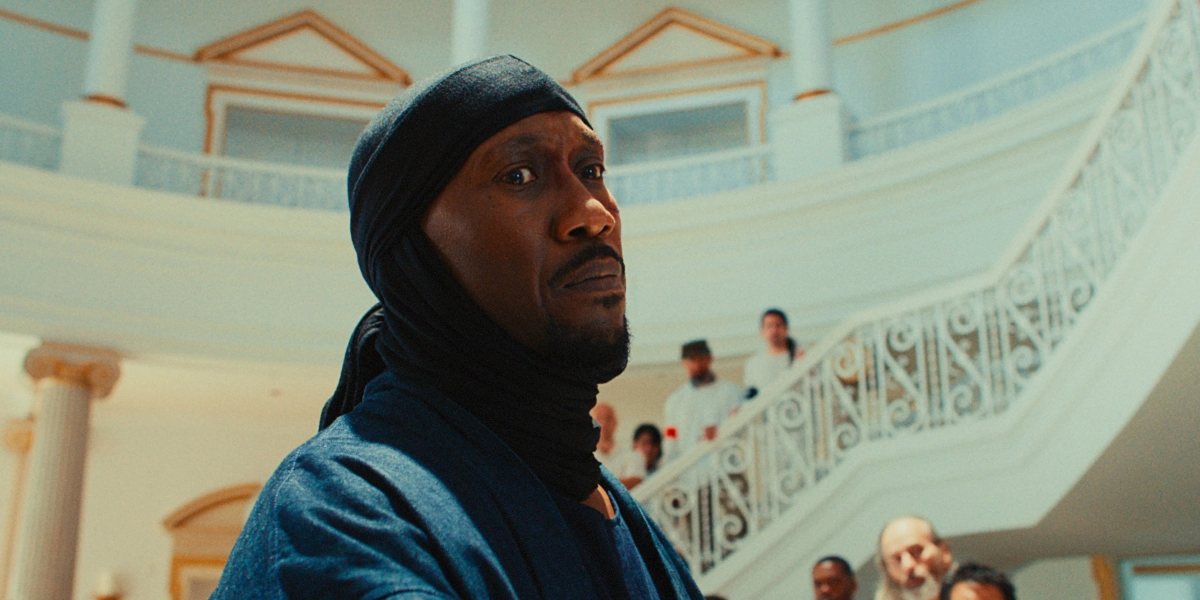
Latif (Ali) is a devout Muslim and a loving family man who also happens to be a contract killer. He has a strict code: he never uses guns and he only accepts targets the world would be better off without.
After his beloved wife dies, Latif resolves to end his criminal career and focus on caring for his three children — but his longtime employer Mike (Laith Nakli, TIFF ’25’s Lucky Lu) has other plans. Latif is having a hard enough time finding breast milk for his baby girl and wants no part in Mike and cowboy Haun Yoon’s (John Cho) rapidly escalating feud but, as his bloodstained past comes back to haunt him, he may have no choice in the matter.
Director: Bassam Tariq
Cast: Mahershala Ali, John Cho, Abubakr Ali, Laith Nakli, Tramell Tillman, Tiffany Boone, Giancarlo Esposito
Why Your Mother Your Mother Your Mother Might Be Worth a Watch
There is some unusual creative history behind Your Mother Your Mother Your Mother. Bassam Tariq and Mahershala Ali were once supposed to make Marvel’s Blade together, and after that project fell apart, Tariq eventually wrote this film with Ali specifically in mind. The result could hardly be further from a conventional superhero assignment.
Latif’s double existence as a loving Muslim father and a killer with his own moral boundaries gives Tariq a crime-thriller framework, but the more compelling questions concern what happens when faith, grief, fatherhood, and violence can no longer be compartmentalized.
John Cho enters that conflict as Pastor Hwan Yoon, a former soldier leading a radical church, with Giancarlo Esposito, Tramell Tillman, and Tiffany Boone adding even more depth to the ensemble. An original Mahershala Ali-led crime film having its world premiere in Toronto is exactly the sort of unknown quantity that makes TIFF valuable.
14. Bunker
Premiere Status: North American Premiere
Programme: Special Presentations
Notable Festivals: Venice Film Festival 2026
What is Bunker About?
(from TIFF 2026)
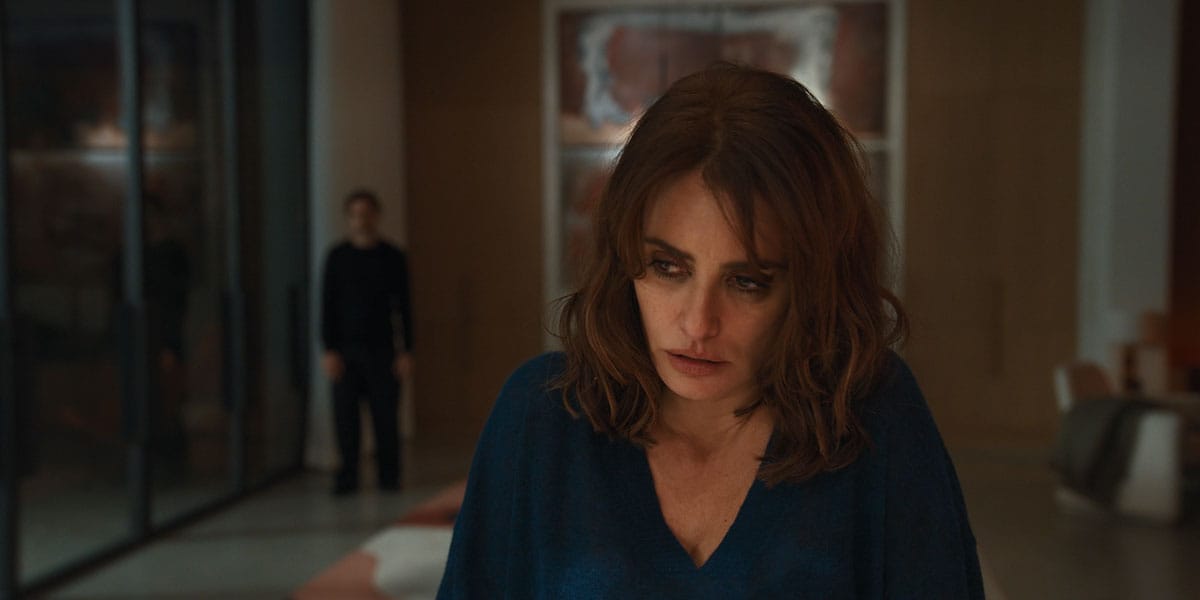
In 17 years of marriage, literary agent Sofia (Cruz, also at this year’s Festival in La Bola Negra) has never resented her “starchitect” husband Miguel (Bardem, also at this year’s Festival in The Beloved) for uprooting the family from Madrid to London, where he rose to prominence. Fissures appear in their foundation, however, when a mysterious billionaire (Paul Dano, TIFF ’25’s The Wizard of the Kremlin) asks Miguel to design a luxury bunker where a tiny cluster of the ultra-wealthy can take shelter in an apocalypse.
The offer appeals to Miguel’s vanity as much as his pocketbook: this is an opportunity to furnish a pyramid for a modern-day pharaoh. But for Sofia, the proposal reeks of the gross inequality that is destroying the world. As tensions mount, Miguel becomes preoccupied by what he deems as a neighbour’s violation of his privacy, while Sofia seeks a promotion at work — and is disarmed by the attention of an attractive young author.
Director: Florian Zeller
Cast: Javier Bardem, Penélope Cruz, Stephen Graham, Paul Dano, Patrick Schwarzenegger
Why Bunker Might Be Worth a Watch
I have a fairly obvious bias here, as I have been a fan of Florian Zeller’s stage plays for some time now. I have copies of all three plays making up his “family trilogy”: The Mother, The Father, and The Son. Of the three, The Mother is probably my favourite on the page, but The Father is the one that translated into something extraordinary on screen. I saw it at the Calgary International Film Festival in 2020 and remember a room full of people needing a moment afterward before anybody was particularly interested in getting up.
The Son clearly did not reach those same heights for me, or for most of the critical conversation around it, so Bunker is especially interesting as Zeller’s first film to move away from those three interconnected family plays. I already know how much I respond to his writing when the material works, and The Father showed how effectively he could rethink theatrical material specifically for cinema rather than simply filming a play.
Javier Bardem and Penélope Cruz play the married couple at the centre, and the bunker commission gives Zeller a way into marriage through class, wealth, fear, and the increasingly fashionable fantasy that the richest people can simply build themselves an exit from collective catastrophe. Stephen Graham, Paul Dano, and Patrick Schwarzenegger make the supporting cast equally difficult to ignore. If moving beyond the family trilogy lets Zeller find some of the formal and emotional precision of The Father in completely different material, Bunker could climb quickly.
13. A Talent for Murder
Premiere Status: World Premiere
Programme: Gala Presentations
What is A Talent for Murder About?
(from TIFF 2026)
Adapted by Joanna Murray-Smith from her play Switzerland and starring Alden Ehrenreich (TIFF ’23’s Fair Play), Olivia Cooke (TIFF ’19’s Sound of Metal; also at this year’s Festival in Slow Horses) and Oscar winner Helen Mirren, A Talent For Murder pits ruthless careerism against dark genius in a slippery battle of wills.
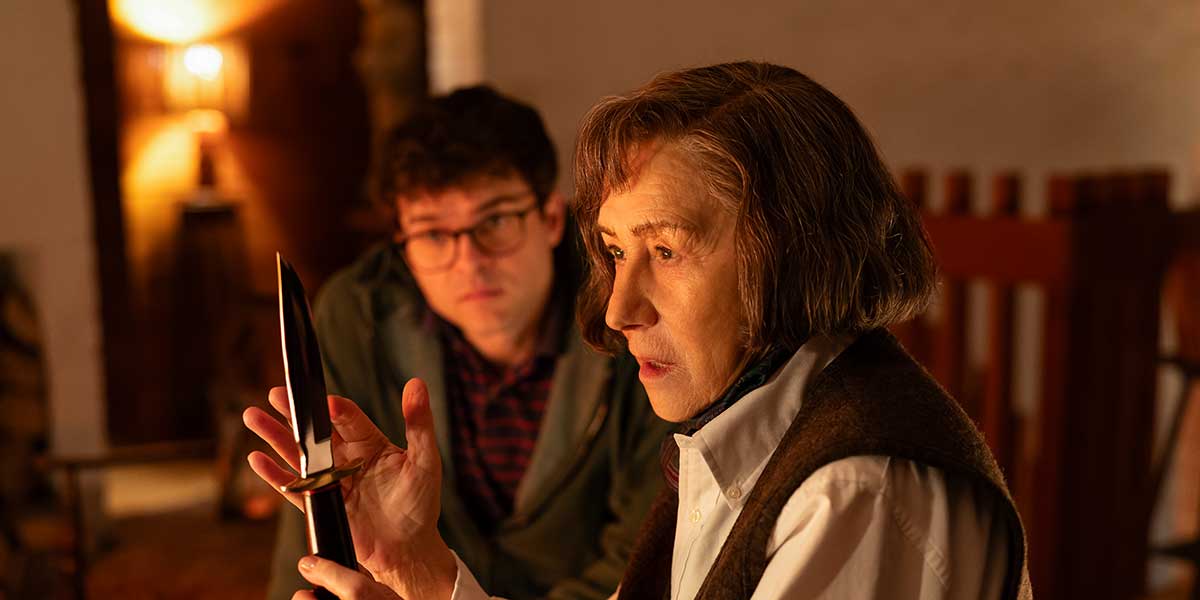
It is 1995, and American author Highsmith (Mirren), now in her seventies and in poor health, has retired to the Swiss Alps, where she largely confines herself to her study, surrounded by her books, her cats, and her collection of antique weapons. Enter Edward Ridgeway (Ehrenreich), emissary for a New York publisher sent to persuade Highsmith to craft one last instalment in her bestselling series of mysteries featuring the murderous antihero, Tom Ripley. Irritated by this youthful, overly eager visitor, Highsmith refuses the offer — unless, that is, Ridgeway can dream up the perfect murder along with her.
Director: Anton Corbijn
Cast: Helen Mirren, Alden Ehrenreich, Olivia Cooke, Juliet Stevenson, James Faulkner, Brid Brennan
Why A Talent for Murder Might Be Worth a Watch
The uncomplicated selling point is Helen Mirren playing Patricia Highsmith. Everything after that is a bonus. Anton Corbijn, whose films include Control, The American, and A Most Wanted Man, is adapting Joanna Murray-Smith’s play Switzerland into what is essentially a chamber thriller between Highsmith and a young literary emissary played by Alden Ehrenreich.
There is something wonderfully appropriate about turning Highsmith herself into the centre of the kind of psychological game she spent a career constructing for characters like Tom Ripley. The theatrical origins are the obvious risk: if the adaptation never gets beyond two people performing at one another in a room, it could feel stagebound. Anton Corbijn is at least an interesting director to test that limitation. Before moving into features, he built his career as a photographer and directed roughly 80 music videos over three decades, and he has described photography as the basis of his visual thinking. That background gives him a clear set of tools for making a confined two-hander visually expressive rather than merely restrictive.
Olivia Cooke and Juliet Stevenson strengthen the ensemble further. As a TIFF world premiere, there is also genuine discovery value here: Mirren as Highsmith is an easy pitch, but nobody yet knows exactly how nasty or playful this particular game becomes.
12. Gentle Monster
Premiere Status: Canadian Premiere
Programme: Special Presentations
Notable Festivals: Cannes Film Festival 2026
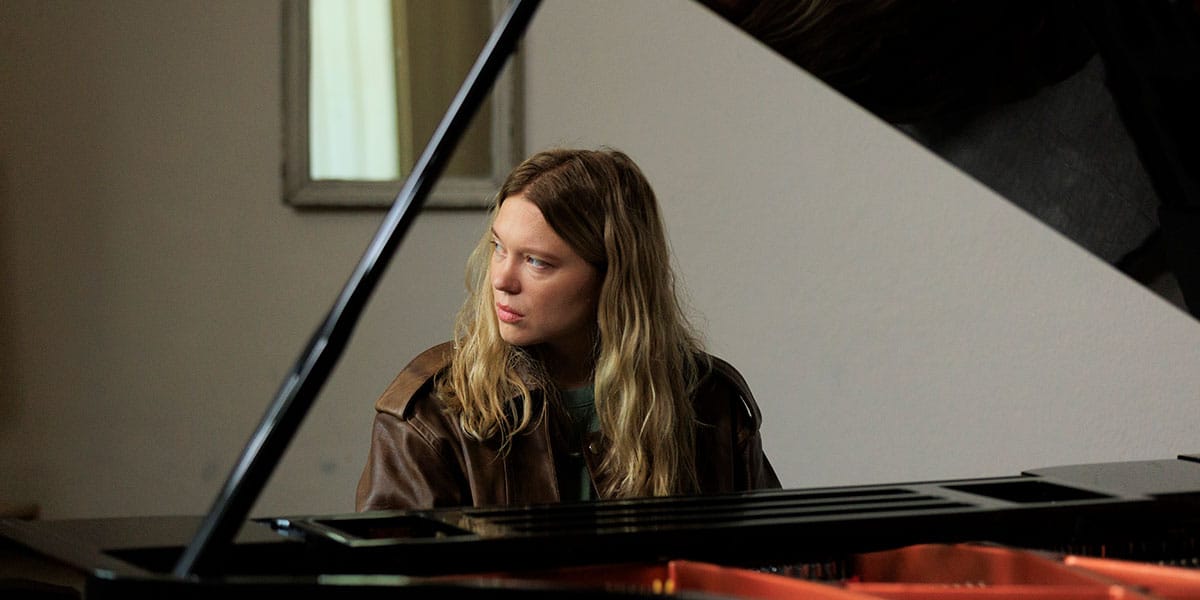
What is Gentle Monster About?
(from TIFF 2026 – Anita Lee)
Experimental musician Lucy Weiss (Seydoux) crafts deconstructed pop songs on unconventional instruments. Her husband Philip (Laurence Rupp, TIFF ’25’s Rise of the Raven) is a filmmaker, though he has been working in television to pay the bills. After Philip suffers a breakdown, the couple, along with their nine-year-old Johnny (Malo Blanchet), relocate from Munich to the countryside.
But their bucolic idyll collapses when a sex crimes unit, led by officer Else Kühn (Jella Haase), arrives to seize the family’s digital devices — and to arrest Philip. As the case against him becomes increasingly difficult to deny, her attention shifts to her son Johnny — and the terrifying possibility that he might be involved.
Director: Marie Kreutzer
Cast: Léa Seydoux, Catherine Deneuve, Jella Haase, Laurence Rupp, Sylvester Groth, Patrycja Ziółkowska, Malo Blanchet
Why Gentle Monster Might Be Worth a Watch
I loved Marie Kreutzer‘s Corsage, but Gentle Monster takes her into even more uncomfortable contemporary territory. Kreutzer began developing the film in 2020 after reading an investigation into a large child sexual abuse network in Germany and becoming preoccupied with a frighteningly ordinary question: how can something monstrous exist alongside families and relationships that, from the outside, appear completely normal?
The subject became much more immediate for Kreutzer after Corsage actor Florian Teichtmeister, who played Emperor Franz Joseph, was charged and later received a two-year suspended sentence for possession and production of child sexual-abuse material. Kreutzer had already been developing Gentle Monster for three years by then. She has said her first reaction was that she could no longer make the film because the connection to Teichtmeister would inevitably follow it. A few months later, she reached the opposite conclusion: encountering something so close to her own professional circle reinforced the question that had disturbed her in the first place, that the person capable of something monstrous may already be someone you know.
Léa Seydoux plays Lucy, the person left trying to reconcile the husband she thought she knew with what the police are telling her. What do you owe someone you love when you no longer know whether you believe them? At what point does standing beside that person become incompatible with protecting everyone else? Those are ugly questions, which is precisely why Kreutzer’s willingness to sit with them is compelling.
11. The Unknown
Premiere Status: Canadian Premiere
Programme: Special Presentations
Notable Festivals: Cannes Film Festival 2026
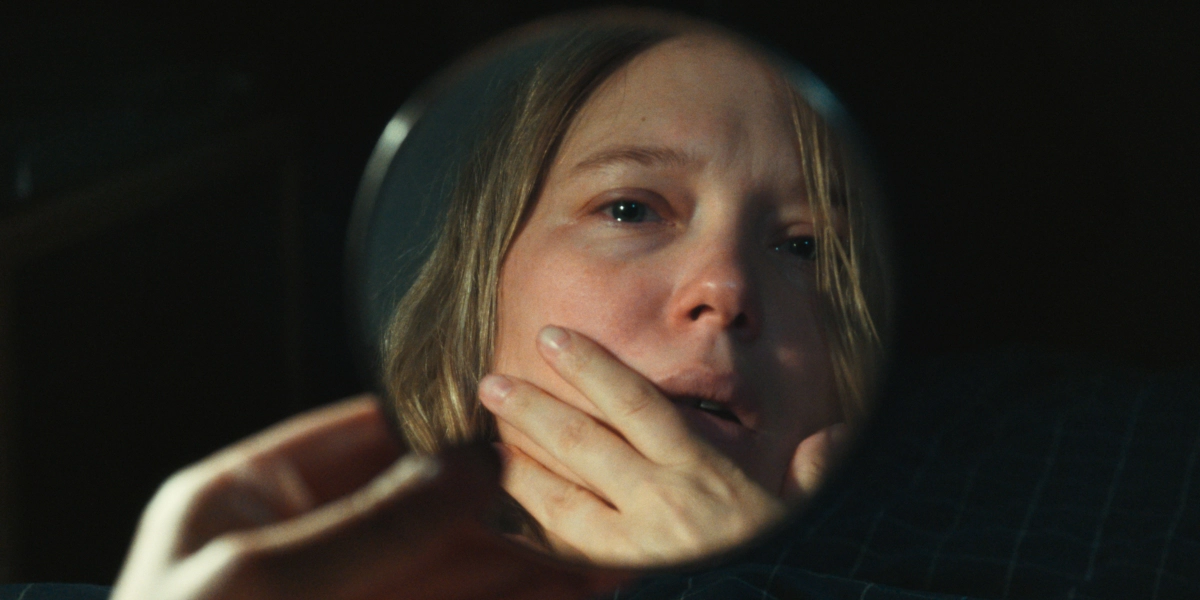
What is The Unknown About?
(from TIFF 2026 – Andrea Picard)
David Zimmerman is a photographer approaching 40 who has withdrawn almost completely from the world around him. When his friends finally convince him to attend a large party, he becomes fixated on a woman in the crowd and follows her.
Several hours later, David wakes up in the woman’s body.
What initially resembles the premise of a familiar body-swap story quickly becomes something far more destabilizing. David is forced to navigate a physical existence that is no longer his own while trying to understand what has happened to his consciousness, his identity, and the woman whose body he now inhabits.
The film is adapted from Le Cas David Zimmerman, the graphic novel developed by Arthur Harari with his brother Lucas Harari, and uses its transformation to examine identity, gender, embodiment, desire, and the uncertain relationship between a person and the body through which that person is recognized.
Director: Arthur Harari
Cast: Léa Seydoux, Niels Schneider, Valérie Dréville, Lilith Grasmug, Radu Jude, Shanti Masud, Jonathan Turnbull, Victoire Du Bois
Why The Unknown Might Be Worth a Watch
Arthur Harari may be best known internationally right now for co-writing Anatomy of a Fall with Justine Triet and winning an Oscar for it, but The Unknown gives him a much stranger premise for his return to directing. Technically, yes, this is a body-swap movie.
And yes, that is Léa Seydoux again, immediately after Gentle Monster on this list. Here she appears opposite Niels Schneider in a 139-minute film that competed at Cannes, so nobody should be expecting Freaky Friday. The film grows out of Le Cas David Zimmerman, a graphic novel Harari developed with his brother Lucas Harari, who also co-wrote the screenplay. Another brother, cinematographer Tom Harari, handles the images. That makes the production an unusually literal family collaboration on a story about the unstable boundary between body and self.
A high-concept transformation can become a gimmick very quickly, but stretching it toward consciousness, gender, desire, and the question of whether identity can survive separation from its physical form gives Harari plenty of uncomfortable territory to explore.
10. Nobody’s Violence
Premiere Status: North American Premiere
Programme: Wavelengths
Notable Festivals: Locarno Film Festival 2026: Special Mention for Xavier Bergeron
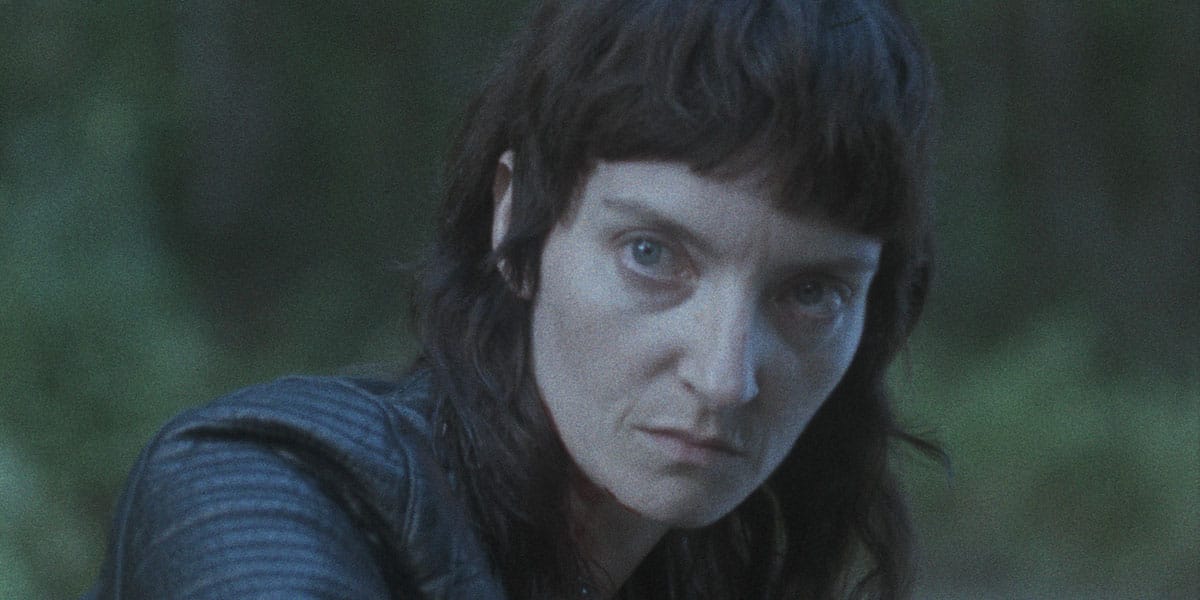
What is Nobody’s Violence About?
(from TIFF 2026 – Jason Anderson)
In the over 20 years since the French Canadian director first earned international acclaim for his 2005 feature debut Drifting States, Denis Côté has rarely declined the opportunity to take viewers in a direction they didn’t expect. Yet the filmmaker’s latest is so bold and daring in its shifts in tone and tactic, that Nobody’s Violence may be Côté’s most surprising feature to date.
It also boasts an exceptionally striking lead performance by Larissa Corriveau, the actor whose previous collaborations with the director include Mademoiselle Kenopsia (TIFF ‘23). Corriveau stars as Mira, an enigmatic and largely silent young woman who works for an equally mysterious organization that facilitates requests for euthanasia. Seemingly stone-hearted as she travels from client to client in the film’s eerie dystopian society, Mira nevertheless comes to question her mission after encounters with two unconventional men: Pierric (Xavier Bergeron), a free spirit she meets at a wintry outdoor rave party, and Ludo (Philippe Rebbot), her charismatic and hedonistic boss.
Director: Denis Côté
Cast: Larissa Corriveau, Philippe Rebbot, Xavier Bergeron, Gabrielle Lazure, Pierrette Robitaille, Eve Pressault, Amélie Dallaire, Christian Lapointe
Why Nobody’s Violence Might Be Worth a Watch
Denis Côté has spent more than 20 years making Canadian films that are comfortable drifting outside conventional narrative expectations, and Nobody’s Violence arrives at TIFF as one of the smaller titles this high on the list. Côté wrote the screenplay during the final and most difficult period of a long kidney illness, before receiving a transplant in 2023, and that experience inevitably shaped the film’s preoccupation with mortality.
He has been careful not to frame Mira as a literal stand-in for himself, but her existence in a strange territory between life and death grew directly out of what he was experiencing. Côté has described the film’s mode as “supernaturalism,” keeping enough contact with ordinary reality for the world to remain recognizable while allowing it to drift somewhere harder to explain. For a character whose relationship with death has become almost procedural, that uneasy space between the familiar and the unreal makes a lot of sense.
The film has also just arrived from Locarno, where Xavier Bergeron received a special mention for his performance. For anyone using TIFF to discover Canadian cinema outside the obvious premieres, this is exactly the kind of film worth making room for.
9. The Man I Love
Premiere Status: Canadian Premiere
Programme: Special Presentations
Notable Festivals: Cannes Film Festival 2026

What is The Man I Love About?
(from TIFF 2026 – Robyn Citizen)
The protagonist of Ira Sachs’ new drama, The Man I Love, is an actor and performance artist in 1980s New York who’s dying of AIDS. His diagnosis is central to the plot, but, just as Jimmy (Rami Malek, TIFF ‘25’s Nuremberg) remains the defiant author of his own life, Sachs eschews the familiar beats of a story about illness, instead excavating a naturalistic portrait of a group of artists in a very particular time and place.
As is fitting for such a mesmeric character, we hear about Jimmy before we see him. After a recent hospital stay, he feels more alive than ever, and is ready to concentrate his energy on a starring role in an adaptation of a work by Québécois playwright Michel Tremblay. The Man I Love lingers on impromptu performances, conversations around the dinner table, and long, grounded theatre rehearsal scenes: the communal act of creation remains central. The film’s visual language is warm and inviting, prioritizing rich textures and intricate details over strict medical precision.
Director: Ira Sachs
Cast: Rami Malek, Tom Sturridge, Rebecca Hall, Ebon Moss-Bachrach, Luther Ford
Why The Man I Love Might Be Worth a Watch
I love me some Ira Sachs. His films tend to understand how much a relationship story actually needs, allowing awkwardness, intimacy, desire, and resentment to accumulate without pushing every emotion into melodrama. After Passages and Peter Hujar’s Day, The Man I Love gives him a considerably larger canvas while remaining closely connected to the queer lives and relationships that have defined so much of his work.
Rami Malek plays Jimmy George, a performance artist living through the AIDS crisis, with Tom Sturridge as his partner. Sachs has described The Man I Love as a “musical fantasy in a city in crisis,” drawing directly from his experience of living in New York in the late 1980s while AIDS devastated people around him. He has also cited Maurice Pialat’s Van Gogh as an influence because of how it remains full of life, sex, desire, creation, music, and dance even as death closes in. That tension feels particularly well suited to Sachs, whose films are often at their best when grief and intimacy are allowed to exist alongside the messier pleasures of being alive.
8. The Diary of a Chambermaid
Premiere Status: North American Premiere
Programme: Wavelengths
Notable Festivals: Cannes Directors’ Fortnight 2026
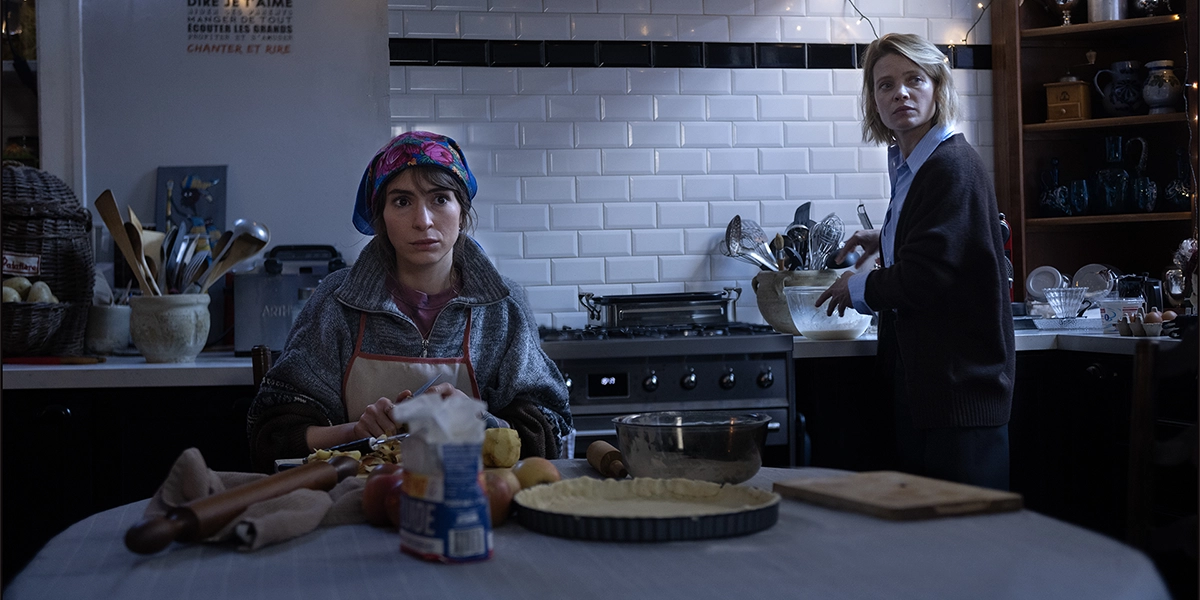
What is The Diary of a Chambermaid About?
(from TIFF 2026 – Dorota Lech)
Set in present-day Paris, Radu Jude’s The Diary of a Chambermaid is a variation on Octave Mirbeau’s Decadent-era novel. The anarchist writer’s text gained prominence during the infamous Dreyfus affair, a momentous scandal that exposed deeply seeded, systemic prejudices and reshaped European politics. First published in serialized form from 1891 to 1892, the original was reworked before appearing in the Dreyfusard journal La Revue blanche in 1900 and has since been revived in several significant adaptations (including by Jean Renoir and Luis Buñuel). While no foreknowledge of Mirbeau’s turn-of-the–19th century work (or its high-stakes landscape) is required to sink into Jude’s version, the source material provides fascinating historical parallels for this slapstick skewering of modern-day slavery.
In Jude’s version, Gianina (Ana Dumitrașcu, Dracula), a Romanian migrant (whose own life is paralleled with the original novel’s heroine Célestine) is a live-in housekeeper for an upper-class, pseudo-intellectual couple. In the evenings, she prepares for an amateur production of The Diary of a Chambermaid at the behest of her hoity-toity employers. On her own time, she FaceTimes with her crestfallen tween daughter who lives with her grandma while her mother supports the family from abroad. Everything is going according to Gianina’s plan, until one day, it isn’t.
Director: Radu Jude
Cast: Ana Dumitrașcu, Mélanie Thierry, Vincent Macaigne, Marie Rivière, Louen Bouteiller
Why The Diary of a Chambermaid Might Be Worth a Watch
The title may come from Octave Mirbeau’s 1900 novel, but a straightforward period adaptation would be a strange use of Radu Jude. Instead, the original text sits inside a contemporary story where Gianina is simultaneously rehearsing its class relationships on stage and living their modern equivalent at work. That doubling gives Jude an efficient route into labour, migration, capitalism, domestic service, and the comforting fiction that historical systems of inequality disappeared simply because their surface details changed.
Ana Dumitrașcu leads a cast that also includes Mélanie Thierry, Vincent Macaigne, and Marie Rivière, and the film arrives at TIFF after premiering in Directors’ Fortnight at Cannes. It is also only 94 minutes long, which becomes a genuinely useful advantage when you are trying to build a TIFF schedule around films that routinely push past two hours. I would be making room for a new Radu Jude film either way; the fact that this one can actually fit comfortably between two other screenings is a welcome bonus.
7. Ladies and Gentlemen, Brian Mulroney
Premiere Status: World Premiere
Programme: Midnight Madness
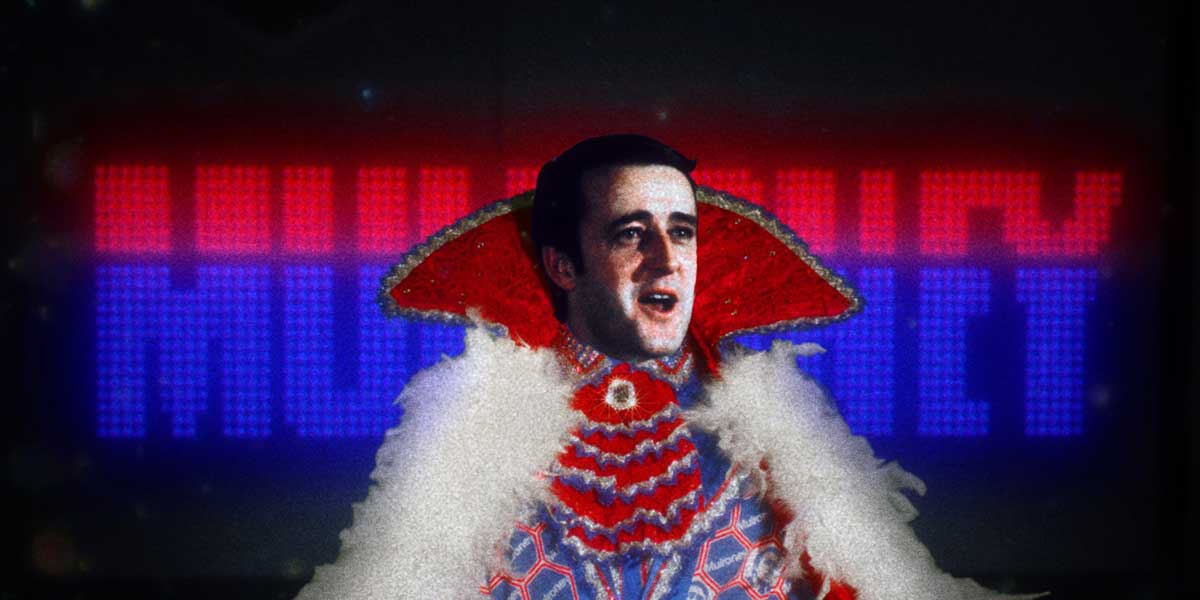
What is Ladies and Gentlemen, Brian Mulroney About?
(from TIFF 2026 – Peter Kuplowsky)
Through an episodic remix that transforms thousands of hours of archival footage, Rankin astutely tracks the political maneuvering that took place during the 1976 Progressive Conservative leadership convention and into the 1980s Canadian landscape right before Mulroney’s clinching the title of prime minister. Only he infuses this political soup with nostalgic intrusions of Canadian television and outlandish dramatizations, from Mulroney conferencing with a former PM’s pickled brain to Pierre Trudeau despotically ruling the country as a floating head like TRON’s Master Control Program. The result is reminiscent of Rankin’s debut feature, The Twentieth Century (TIFF ’19), which reimagined the ascension of William Lyon MacKenzie King as a German Expressionist farce, and especially his early collage work.
Culminating as if documentarian Adam Curtis overdosed on a psychic stream of Heritage Minutes, Ladies and Gentlemen, Brian Mulroney is a dank, elucidative experiment that distills historical record through savvy psychedelic abstraction and satirical irreverence. If that ain’t Midnight Madness, then Téléfrançais!’s Ananas ain’t a talking pineapple.
Director: Matthew Rankin
Why Ladies and Gentlemen, Brian Mulroney Might Be Worth a Watch
A 105-minute Midnight Madness NFB documentary about Brian Mulroney is probably the fastest possible explanation for why Ladies and Gentlemen, Brian Mulroney is this high. Matthew Rankin, fresh off Universal Language, is exactly the filmmaker I want attacking 1980s Canadian political history because he has no interest in making a conventional political documentary.
The NFB describes a six-part feature assembled from roughly 80,000 pieces of archival material, colliding politics with propaganda, television, VHS imagery, and popular culture, and this is not unchartered terrority for Rankin. In The Twentieth Century transformed Mackenzie King’s rise into a completely deranged alternate history.
As somebody who used to teach politics, there are several obvious personal reasons this appeals to me, but you do not need detailed opinions on the Meech Lake Accord to find the larger idea interesting. Rankin is less concerned with sanctifying or dismantling Mulroney than with examining how a politician becomes a media character in the first place. Let’s get weird with it.
6. La Bola Negra
Premiere Status: Canadian Premiere
Programme: Special Presentations
Notable Festivals: Cannes Film Festival 2026: Best Director; Sydney Film Festival 2026: GIO Audience Award for Best International Feature
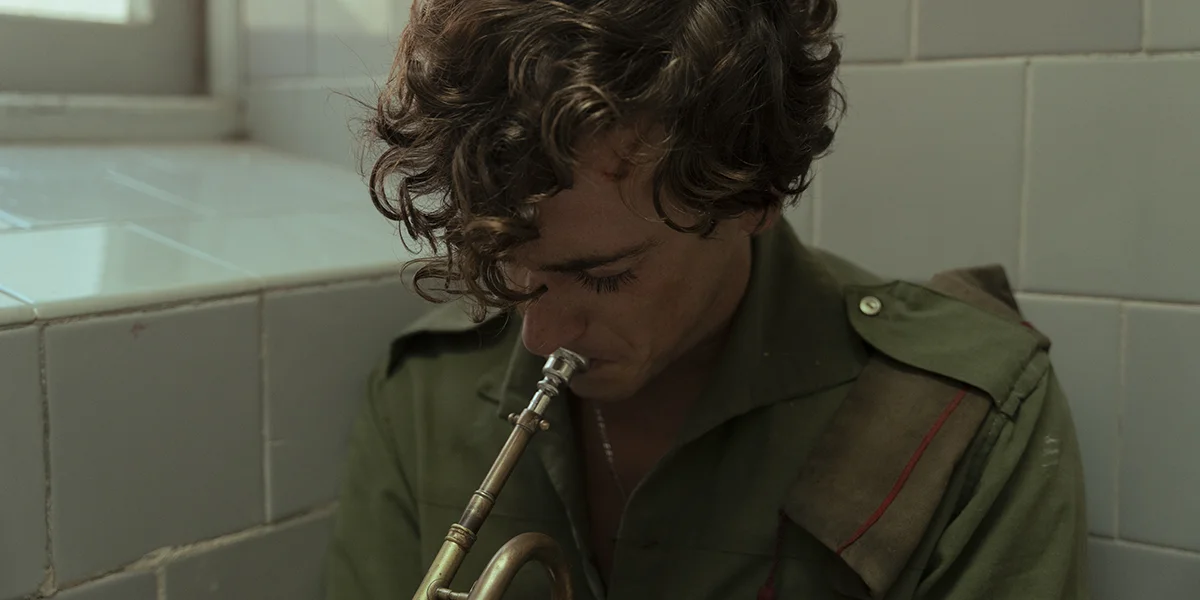
What is La Bola Negra About?
(from TIFF 2026 – Anita Lee)
At the cusp of the Spanish Civil War, a young man confronts his ideology and sexuality as he is conscripted into the fascist army where he becomes fascinated by a prisoner of war. Another young man in pre-dictatorship Spain finds himself blackballed from his father’s prestigious social club due to rumours about his sexuality. Finally, a young gay historian manoeuvres through his complicated family history and a unique inheritance decades after the dictatorship has ended.
A celebration of famed Spanish writer Federico García Lorca’s enduring legacy, La Bola Negra reimagines vignettes of his works that centred on repressed identity and sexuality, specifically his last, unfinished work that featured an openly gay protagonist in the context of extreme societal oppression. Academy Award winner Penélope Cruz (also at the Festival in Bunker), Academy Award nominee Glenn Close (The Wife, TIFF ’17), and Julio Torres (Problemista) star alongside stunning debut performances by musician Guitarricadelafuente and Milo Quifes.
Directors: Javier Calvo, Javier Ambrossi
Cast: Guitarricadelafuente, Miguel Bernardeau, Carlos González, Milo Quifes, Lola Dueñas, Penélope Cruz, Glenn Close
Why La Bola Negra Might Be Worth a Watch
Javier Calvo and Javier Ambrossi, better known together as Los Javis, went into Cannes with an unusual literary project and came out with the Best Director prize. Calling La Bola Negra an adaptation (much like The Diary of a Chambermaid above) does not quite capture what they are doing. Very little survives of Federico García Lorca’s final unfinished work, so the filmmakers combine those fragments with La piedra oscura, Alberto Conejero’s play connected to Lorca’s lover Rafael Rodríguez Rapún, and then construct something new across different generations of Spanish queer history.
The three timelines are connected less through conventional plot mechanics than through desire, repression, memory, music, and what one generation inherits from the one before it. As an unnecessary personal aside, I am apparently incapable of seeing Lorca’s name without thinking about Leonard Cohen, whose obsession with the poet ran deeply enough that he named his daughter Lorca. So this was probably always going to get my attention. At 155 minutes, it requires a serious TIFF scheduling commitment, but Cannes and Sydney have already provided substantial reasons to make it.
5. The Debut
Premiere Status: International Premiere
Programme: Special Presentations
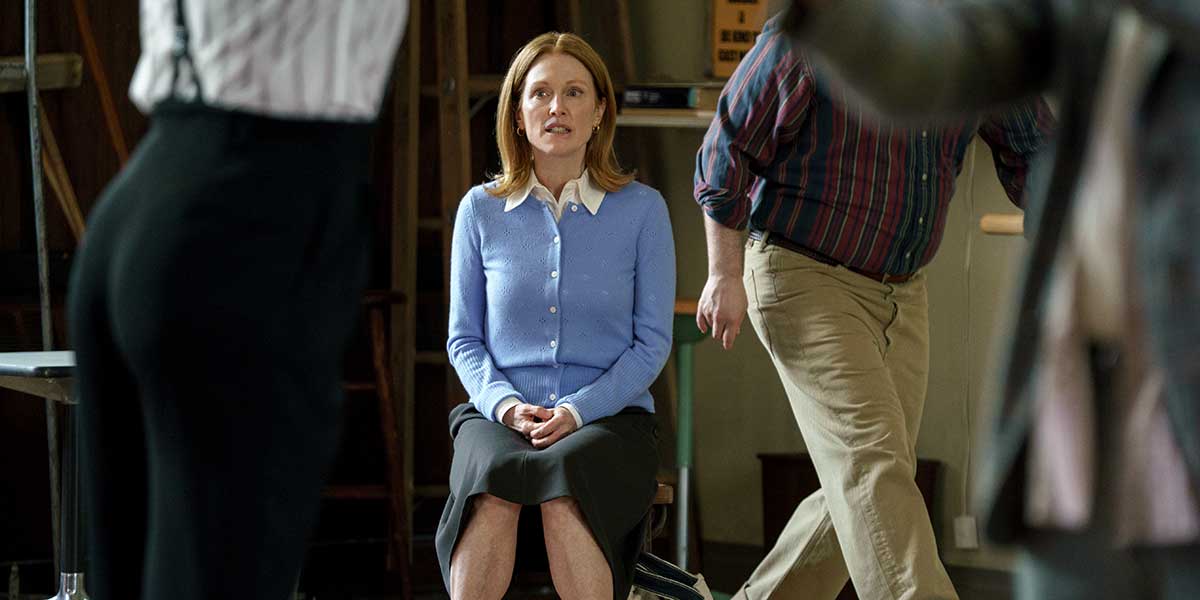
What is The Debut About?
(from TIFF 2026 – Anita Lee)
Mona Friedman (Academy Award winner Julianne Moore) feels stuck in her tedious suburban housewife life. When a role with a community theatre company arises, she jumps at the chance to try out. To her surprise, she lands a spot in the production.
Hard-headed theatre director Jerry (Paul Giamatti, TIFF ’23’s The Holdovers) sees a spark in Mona and pushes her to test the limits of what she can bring to the role. Which she does, obsessing over nailing her first performance.
Writer-director Jesse Eisenberg mines rich, dark comedy from the self-seriousness of community theatre, with every line change and beat scrutinized despite the relatively low stakes for all involved, including the audience.
Director: Jesse Eisenberg
Cast: Julianne Moore, Paul Giamatti, Halle Bailey, Jesse Eisenberg
Why The Debut Might Be Worth a Watch
I was a pretty big fan of Jesse Eisenberg‘s A Real Pain, but beyond the film itself, I remember listening to Eisenberg speak at Sundance and being struck by how genuine he seemed. You hear a lot of the same polished answers at festivals, but Eisenberg actually sounded like himself, including the awkwardness. That sincerity is part of what has kept me interested in his filmmaking, because it has not been polished out of the work either.
The Debut gives Julianne Moore the role of Mona Friedman, a woman who finds a small community-theatre part and begins treating the production with an intensity completely disproportionate to its scale. Paul Giamatti as the director encouraging that obsession is already an excellent comic pairing, with Halle Bailey and Eisenberg himself also in the ensemble.
The premise comes from Eisenberg’s own experience discovering community theatre in New Jersey in 1990 and investing a local production with essentially life-or-death seriousness. That is fertile territory for a filmmaker whose comedy often comes from people being painfully aware of themselves and completely oblivious at the same time. What I want most is the balance A Real Pain found so well: genuinely funny behaviour that somehow manages to amplify underlying pain, rather than hide it.
4. All of a Sudden
Premiere Status: North American Premiere
Programme: Special Presentations
Notable Festivals: Cannes Film Festival 2026: Best Actress, Virginie Efira and Tao Okamoto
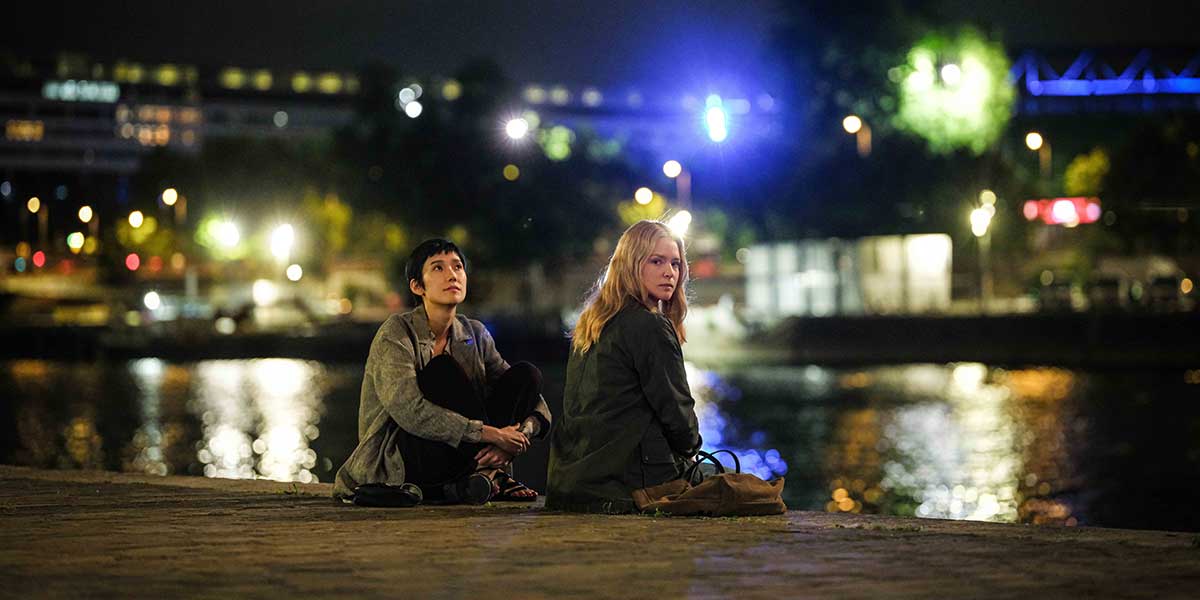
What is All of a Sudden About?
(from TIFF 2026 – Giovanna Fulvi)
At the centre of Ryûsuke Hamaguchi’s latest film, his first shot largely in French, is an extended exchange between Marie-Lou (Virginie Efira, TIFF ’25’s A Private Life), the newly appointed director of a Parisian elderly-care facility, and Mari (Tao Okamoto), a Japanese theatre director living with terminal cancer. Their conversation moves across languages and ideas — from capitalism, demographic decline, and social exhaustion, to illness, caregiving, and art itself — yet Hamaguchi uses dialogue less as exposition than as an ethical practice: a way of listening, testing thought, and reaching toward another person.
Theatre is crucial to this encounter, and to Hamaguchi’s poetics. Mari’s play, Up Close, No One Is Normal, brings into the film the vision of Italian psychiatrist Franco Basaglia, whose radical challenge to institutional confinement echoes through Marie-Lou’s efforts to rethink care. As in Hamaguchi’s earlier work, performance is never closed fiction: it becomes a space where body, thought, and relationships are tested.
Director: Ryusuke Hamaguchi
Cast: Virginie Efira, Tao Okamoto, Kyôzô Nagatsuka, Kodai Kurosaki
Why All of a Sudden Might Be Worth a Watch
There is one important scheduling detail to get out of the way first: All of a Sudden runs 196 minutes. Three hours and 16 minutes. However, the fact that it is still number four probably tells you how much trust I am willing to place in Ryusuke Hamaguchi. Drive My Car was an international breakthrough, winning Best Screenplay at Cannes before taking the Oscar for Best International Feature and earning additional nominations for Best Picture, Director, and Adapted Screenplay. And, while this may be controversial, I am in the smaller group that actually prefers his subsequent film, Evil Does Not Exist, just a little bit more.
The film is loosely adapted from a documentary book composed of 20 letters between philosopher Maoko Miyano, who was living with terminal breast cancer, and medical anthropologist Maho Isono. Hamaguchi expands that correspondence toward care, mortality, friendship, and the difficulty of challenging institutions that have decided there is only one legitimate way to help someone.
Cannes also gave Virginie Efira and Tao Okamoto its Best Actress prize jointly, which gives me another reason to trust a film asking for 196 minutes of my day. Three hours and 16 minutes is still a lot, but Hamaguchi is one of the filmmakers I am willing to give it to.
3. Minotaur
Premiere Status: Canadian Premiere
Programme: Special Presentations
Notable Festivals: Cannes Film Festival 2026: Grand Prix; Sydney Film Festival 2026: Sydney Film Prize
What is Minotaur About?
(from TIFF 2026 – Dorota Lech)
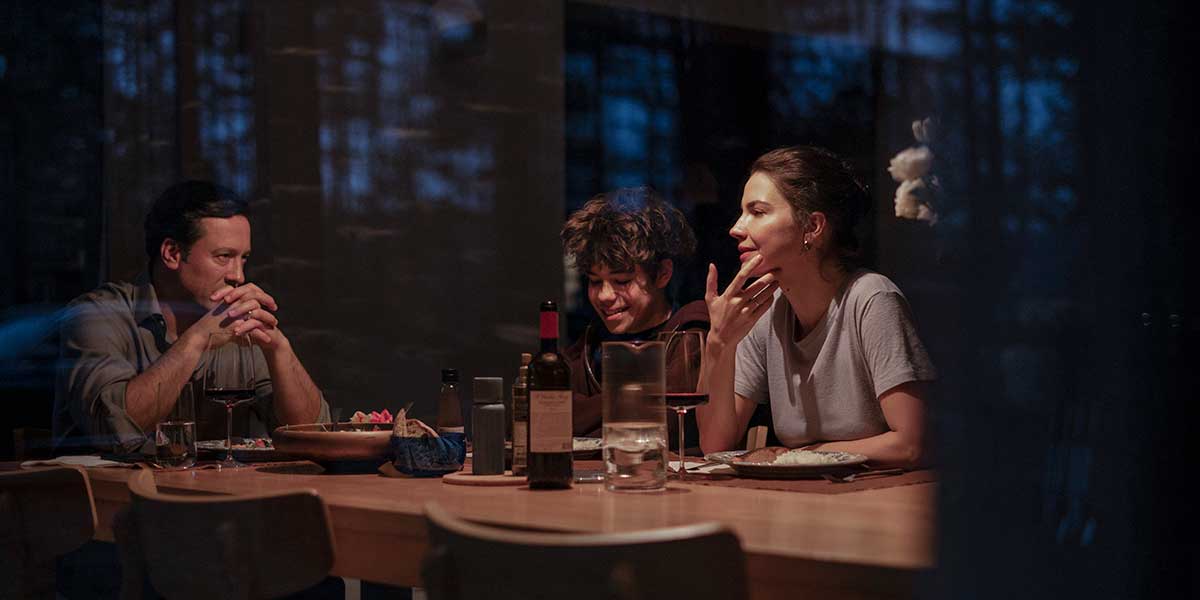
Gleb (Dmitriy Mazurov) is a successful company director, whose high-pressure corporate life is balanced by a picture-perfect family — including his wife Galina (Iris Lebedeva) — and a luxurious dacha on the outskirts of a medium-sized town.
But when the Russian invasion of Ukraine begins, pressure mounts on employers to fill draft quotas for the notorious miasorubka (meat grinder) of relentless front-line warfare. With desperate workers fleeing to avoid conscription, Gleb finds an inventive — yet deeply sociopathic — way to secure the 14 “tributes” demanded from his company, echoing the Greek myth of the Minotaur’s labyrinth.
Meanwhile at home, Gleb and Galina — mirrored in their shallowness — barely look at each other, with her gaze focussed on someone else. Upon realizing what’s happening right under his nose, Gleb snaps into action — and this time, the blood on his hands will be much harder to cover-up.
Director: Andrey Zvyagintsev
Cast: Dmitriy Mazurov, Iris Lebedeva, Boris Kudrin, Yuriy Zavalnyouk, Varvara Shmykova
Why Minotaur Might Be Worth a Watch
Andrey Zvyagintsev has been one of the defining Russian filmmakers of the last two decades, from The Return through Leviathan and Loveless. Minotaur is his first feature in almost a decade and his first made outside Russia after going into exile, which already gives the project an unusual historical position within his career.
The story initially grew out of Zvyagintsev’s reworking of Claude Chabrol’s The Unfaithful Wife, but Russia’s invasion of Ukraine changed what the film became. The marital story remains, but Gleb is also pressured to meet a quota of 14 workers from his company for military mobilization, so the infidelity plot now unfolds alongside the compromises he makes as an employer under Russia’s wartime system.
The title gives that moral descent an appropriately blunt image: a man moving deeper into a labyrinth while gradually revealing himself as the monster at its centre. Cannes awarded the film the Grand Prix, and Sydney followed with its top prize. A major filmmaker returning after nearly a decade with material this politically and personally charged belongs near the top of the schedule.
2. Coward
Premiere Status: North American Premiere
Programme: Special Presentations
Notable Festivals: Cannes Film Festival 2026: Best Actor, Emmanuel Macchia and Valentin Campagne
What is Coward About?
(from TIFF 2026 – Jason Anderson)
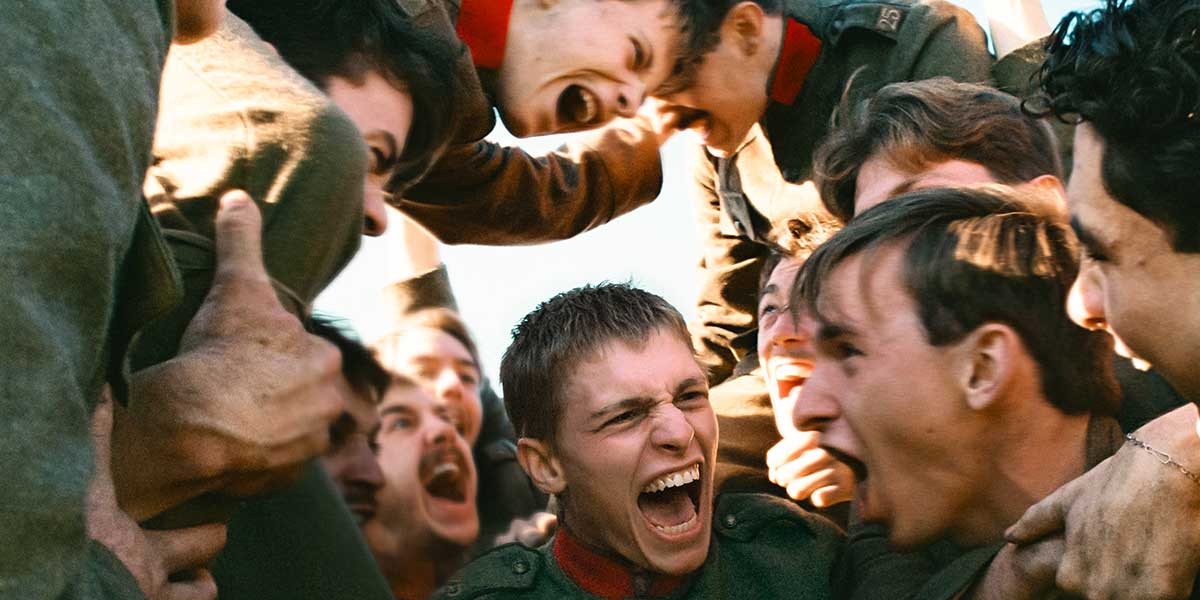
The opening scenes of Lukas Dhont’s extraordinary third feature introduce an array of newly minted Belgian soldiers in 1916. Like so many young men of the era, they initially approach the front lines not with a feeling of trepidation but a spirit of excitement and freshly forged camaraderie. Of course, the characters of Coward soon wake up to the First World War’s many horrors. Yet, traces of that brighter energy still persist in the uncommonly poignant love story at the film’s centre.
Among those new arrivals in the trenches is Pierre (Emmanuel Macchia), a taciturn farmboy who’s mostly content to blend into the background of his troop. That makes him very different from Francis (Valentin Campagne), the son of a tailor and the enthusiastic lead performer in the ad hoc revues that the most theatrically inclined soldiers stage for their comrades as a welcome distraction. The spark of attraction between the two men leads to another means of escaping the misery and tragedy that surrounds them.
Director: Lukas Dhont
Cast: Valentin Campagne, Emmanuel Macchia, Willem De Schryver, Boris Bouchat
Why Coward Might Be Worth a Watch
There are images from Lukas Dhont‘s Close that I can still picture years later, particularly those boys running through the flower fields. It is beautiful filmmaking in the literal visual sense, but also in the way the images carry intimacy, shame, and all the emotions the characters cannot articulate. Cinematographer Frank van den Eeden, who shot Close and also worked with Dhont on Girl, returns for Coward.
The origin of the project is fascinating: Dhont encountered a photograph of First World War soldiers performing in skirts made from sandbags and wearing jewellery fashioned from ammunition, then began researching the theatrical performances soldiers created during periods away from combat. Not your typical route into a war film.
The central question is not simply whether Pierre survives, but what war allows men to be. What gets called courage? What gets dismissed as cowardice? What happens when theatre, intimacy, and a love story temporarily create a space where those rules stop functioning? After Close, that examination of masculinity is perfectly matched to Dhont.
1. A Long Winter
Premiere Status: Canadian Premiere
Programme: Special Presentations
What is A Long Winter About?
(from TIFF 2026 – Jason Ryle)
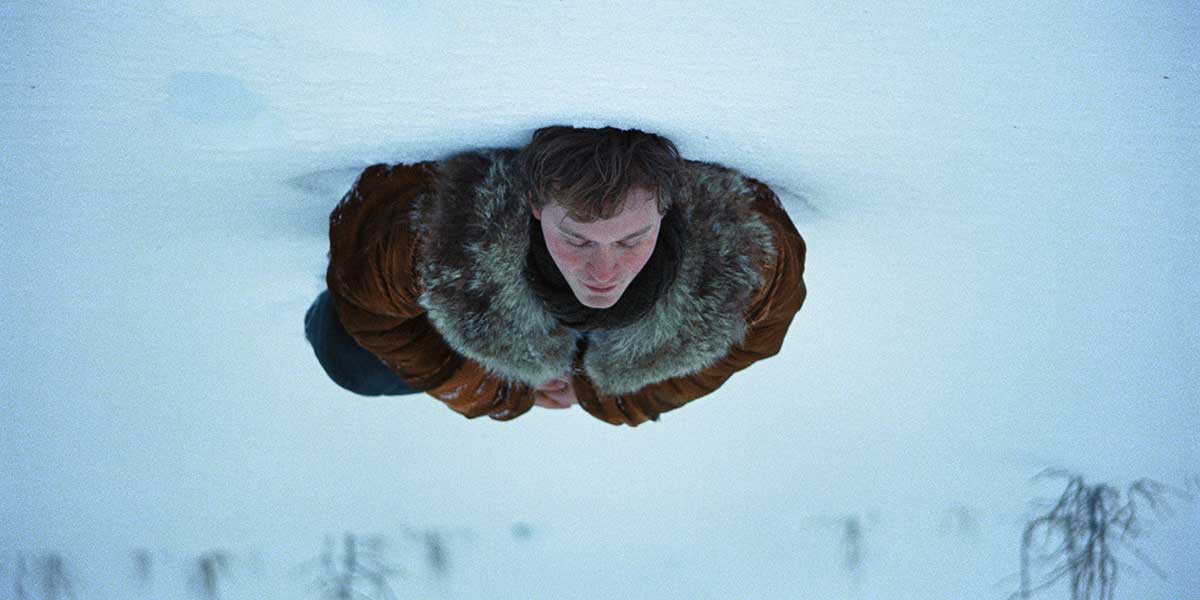
Adapted by Haigh and Colm Tóibín from the acclaimed Irish novelist’s short story, A Long Winter follows Mike (Fred Hechinger), a young man on the cusp of adulthood whose life is upended when his mother disappears during the first blizzard of the season. As the search stretches from days into weeks, the onset of winter becomes inseparable from the family’s slow reckoning with the possibility that she may never return.
While Mike’s emerging sexuality forms part of his journey, Haigh’s gaze remains fixed on something broader: the emotional fault lines that open within a family when normalcy is ruptured. Set in the mountains of Colorado and filmed in the breathtaking Canadian Rockies, the vast landscape is both beautiful and unforgiving, mirroring the emotional distance between Mike and his stoic father.
Director: Andrew Haigh
Cast: Ebon Moss-Bachrach, Caitríona Balfe, Kit Connor, Fred Hechinger, D’Pharaoh Woon-A-Tai, Manuel Garcia-Rulfo, David Furr
Why A Long Winter Might Be Worth a Watch
Honestly, this was probably always going to be number one. Andrew Haigh directed All of Us Strangers, one of my favourite films of the last decade. I watched it not long after my father died, and I do not think there is any useful way for me to separate that timing from how hard the film hit me or why it has stayed with me.
What I love about Haigh is how comfortably he can use something formally or narratively unreal to reach an emotional truth that a more straightforward drama might never touch. A Long Winter, adapted from Colm Tóibín‘s short story, returns him to absence, grief, family, and people struggling to communicate across emotional distances they do not necessarily know how to cross.
There is an excellent ensemble here, but Fred Hechinger is somebody I am particularly interested to watch. He has been consistently good across very different projects, including The White Lotus and Thelma, without yet having the kind of dramatic showcase that permanently changes how people talk about an actor. I am not going to declare this an awards breakout before anybody has that evidence, but Haigh has given him a role that appears to demand considerably more than we have seen from him before.
Then there is the selfish geographical reason for having this at number one: they shot it in Alberta, roughly an hour outside Calgary and very much in my metaphorical backyard. André Turpin, whose work includes Incendies and Mommy, shot the film on celluloid, with Haigh describing a deliberate visual progression tied to Mike himself. The camera begins relatively static before gradually opening up and moving more independently as Mike’s perspective changes. The production also committed fully to the landscape. The family home was built inside and out on the mountainside rather than recreated on a soundstage, with the crew working through snow and extreme winds in the same general wilderness used for The Revenant. Haigh has jokingly called this his own, “slightly more delicate” version of that film. Knowing those landscapes as well as I do makes me particularly curious to see how Turpin and Haigh turn them into part of Mike’s interior world rather than simply a beautiful backdrop.
More than anything, Haigh remains one of the most compassionate filmmakers working right now. He is exceptional at portraying grief, loneliness, desire, love, and the small moments where people fail to say what they desperately need another person to understand. Put that sensibility inside Tóibín’s story, give it this cast, and place it against an Alberta winter, and there was never much chance I was going to put anything else at number one.


