


A Safe Distance Interview | Gloria Mercer, Aidan West, Cody Kearsley, and Tandia Mercedes on SXSW, Intimacy, and Building a Feminist Thriller
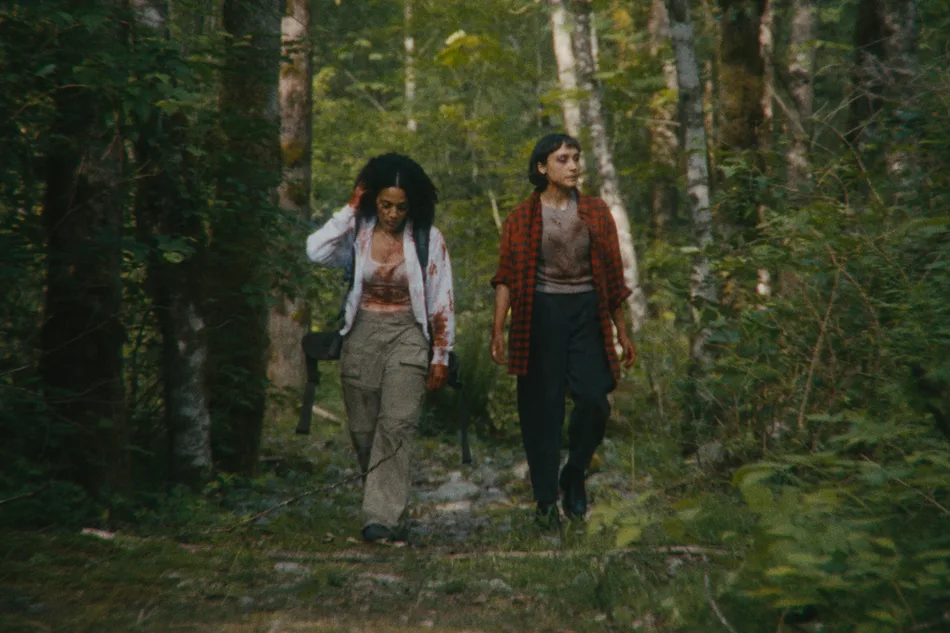
A Safe Distance had its world premiere at the 2026 SXSW Film & TV Festival on Thursday, March 12, and it is a film that naturally invites conversation. Directed by Gloria Mercer, the Canadian feature follows Alex, a woman abandoned in the forest by her boyfriend, who soon finds herself pulled into the orbit of a fugitive couple living off the grid.
I caught up with Mercer the day after the premiere, joined by writer-producer Aidan West and cast members Cody Kearsley and Tandia Mercedes, around a round table in one of the many conference rooms tucked inside the hotels in downtown Austin. It was an informal setting, which felt right for a film like this.
A Safe Distance is tense and sexual, but it is also deeply collaborative. You can feel that in the way the film moves, and you could feel it in the way everyone spoke about making it. Shot in the Pacific Northwest and framed by Mercer as a feminist reimagining of the lovers-on-the-run story, it is a film rooted in questions of freedom, intimacy, and what it means to realize that the shape you have taken inside a relationship no longer feels like your own.
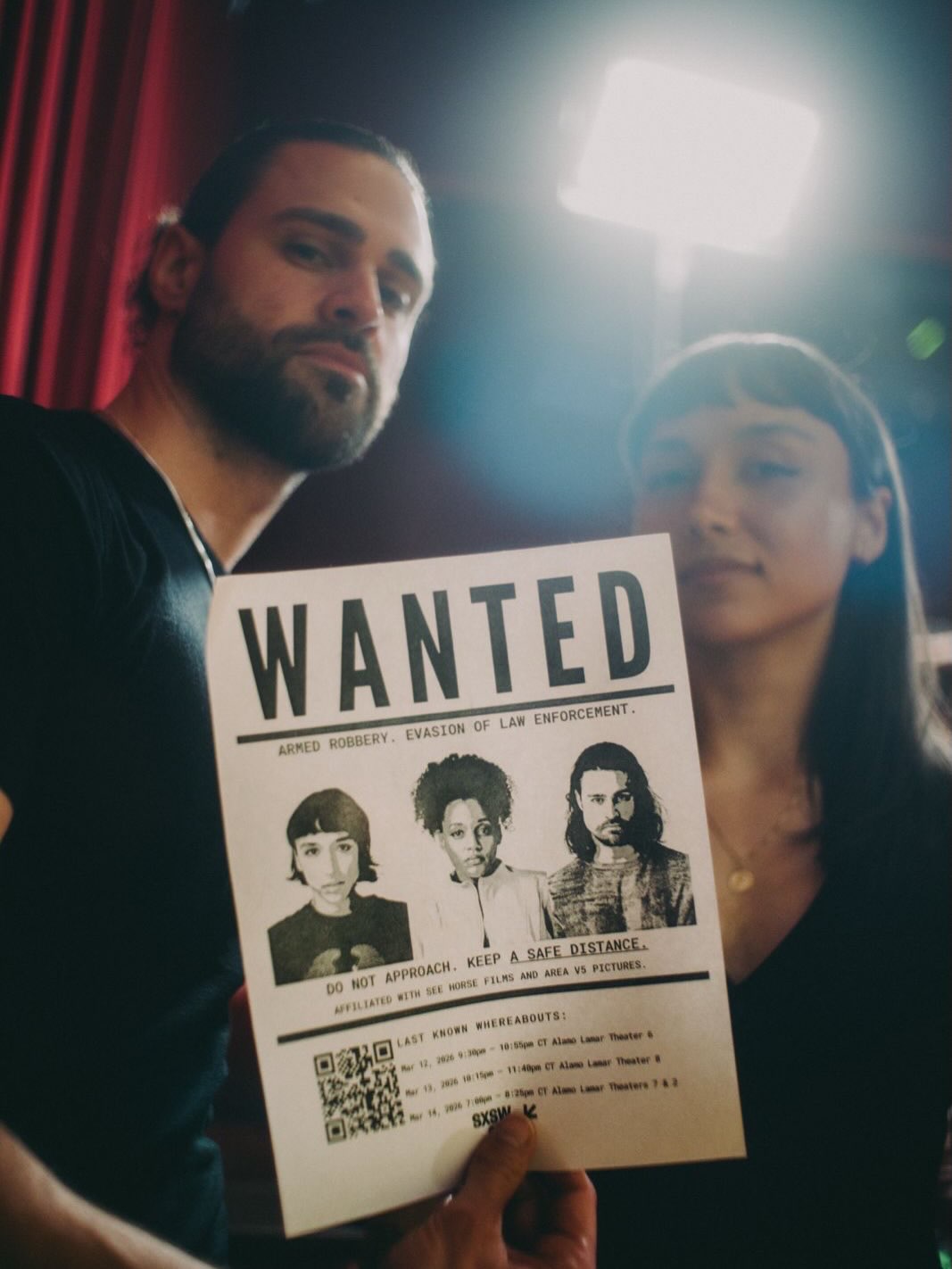
A Safe Distance Premieres at SXSW
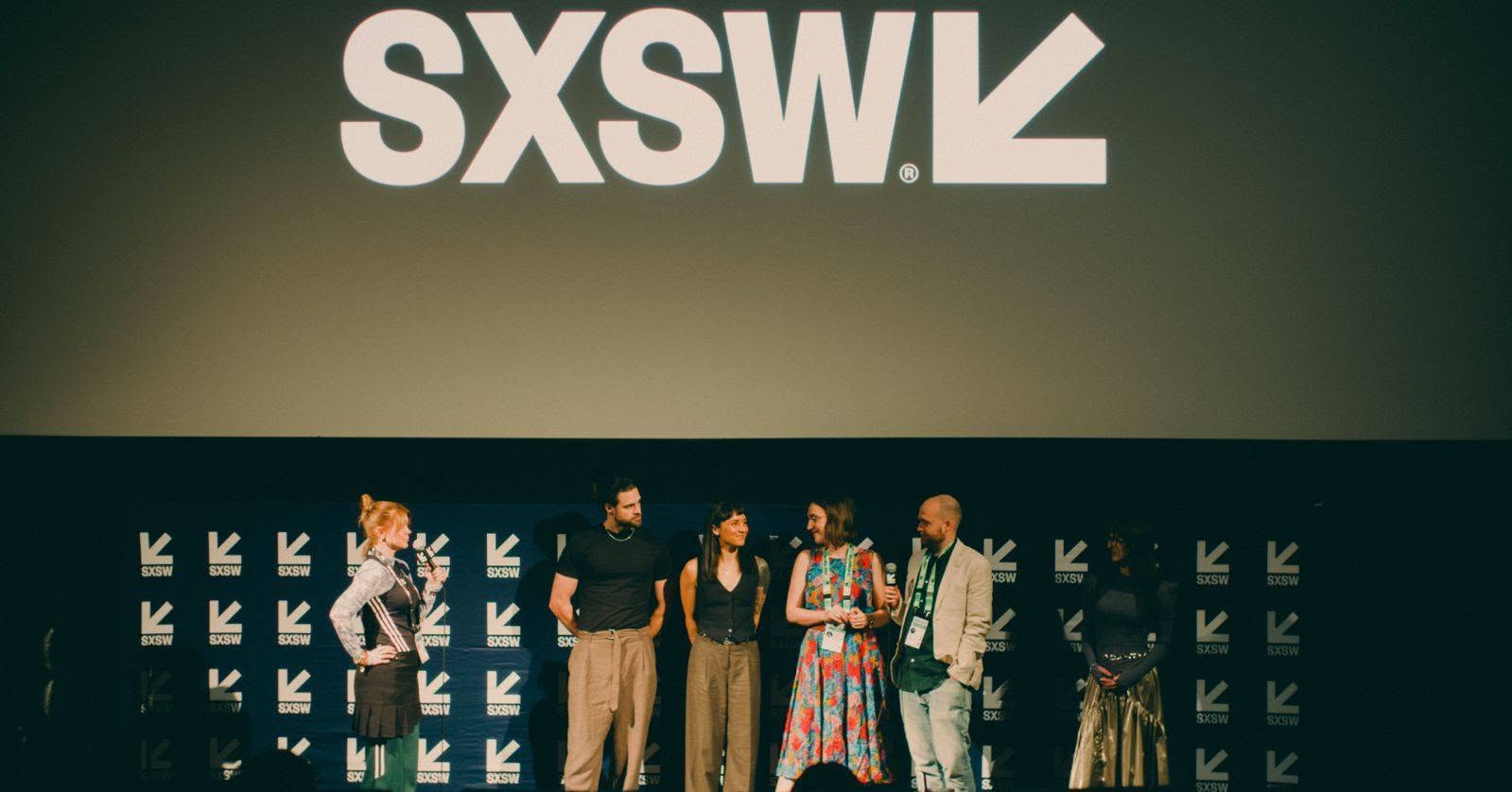
Seeing a film with an audience always changes it a little, but that shift seemed especially meaningful here. For Mercer, this is her feature directorial debut. For West, it marks his first feature film as a screenwriter. For Mercedes, it is her first feature as an actor. Kearsley also spoke with the same sense of discovery about finally seeing all the film’s pieces come together. I was curious what it felt like for them to watch something so intimate and carefully constructed land in a room full of strangers.
Gloria Mercer: It was great. It was so exciting. It was the biggest screen I’ve ever seen the film on, honestly. We played at the Alamo South Lamar, and it’s such a cool venue. I’d never been there before. The audience was great, and SXSW has been great. It was beyond expectations.
Cody Kearsley: It’s always amazing to see the director’s vision. When we’re acting, we’re in the scenes and exploring them, but when you see the cinematography, the sound, the music, and everything come together in the final project, we’re experiencing it for the first time, too. It was incredible. I loved it.
Tandia Mercedes: I loved seeing it on the big screen. Like Gloria said, the theatre was super cool. It was awesome seeing all our hard work come together.
What Is A Safe Distance About?
I always like hearing directors explain their films in their own words, especially when a project operates across multiple registers at once. A Safe Distance can be read as a thriller, a relationship drama, a sexual awakening, or a story about the uneasy overlap between safety, liberation, and danger. Mercer’s answer gets at why the film feels so specific. It may move through genres, but it begins from something deeply personal.
Gloria Mercer: The film came about because I really wanted to make a film about relationships that felt contemporary and spoke to women’s experiences in relationships. I had experiences that left me feeling very small, like I had spent years thinking I was happy in a relationship and then, at the end of it, realizing, “Oh wait, I’ve changed as a person. I don’t like what I’ve become.” I think that’s very relatable, and a lot of women feel that way in particular.
The screenwriter, Aidan West, and I started developing this film around 2019, maybe even before that. We worked on it very closely together. We started thinking about putting those feelings into the character of Alex, the lead character of the film, and then transposing that into a genre film, into the context of a lovers-on-the-run story. We were playing with the idea of feeling trapped versus finding freedom, and setting that in the forests of the Pacific Northwest. What might freedom look like if it were heightened into the story of running off with a pair of bank robbers?
The Collaborative Process with Gloria Mercer and Aidan West
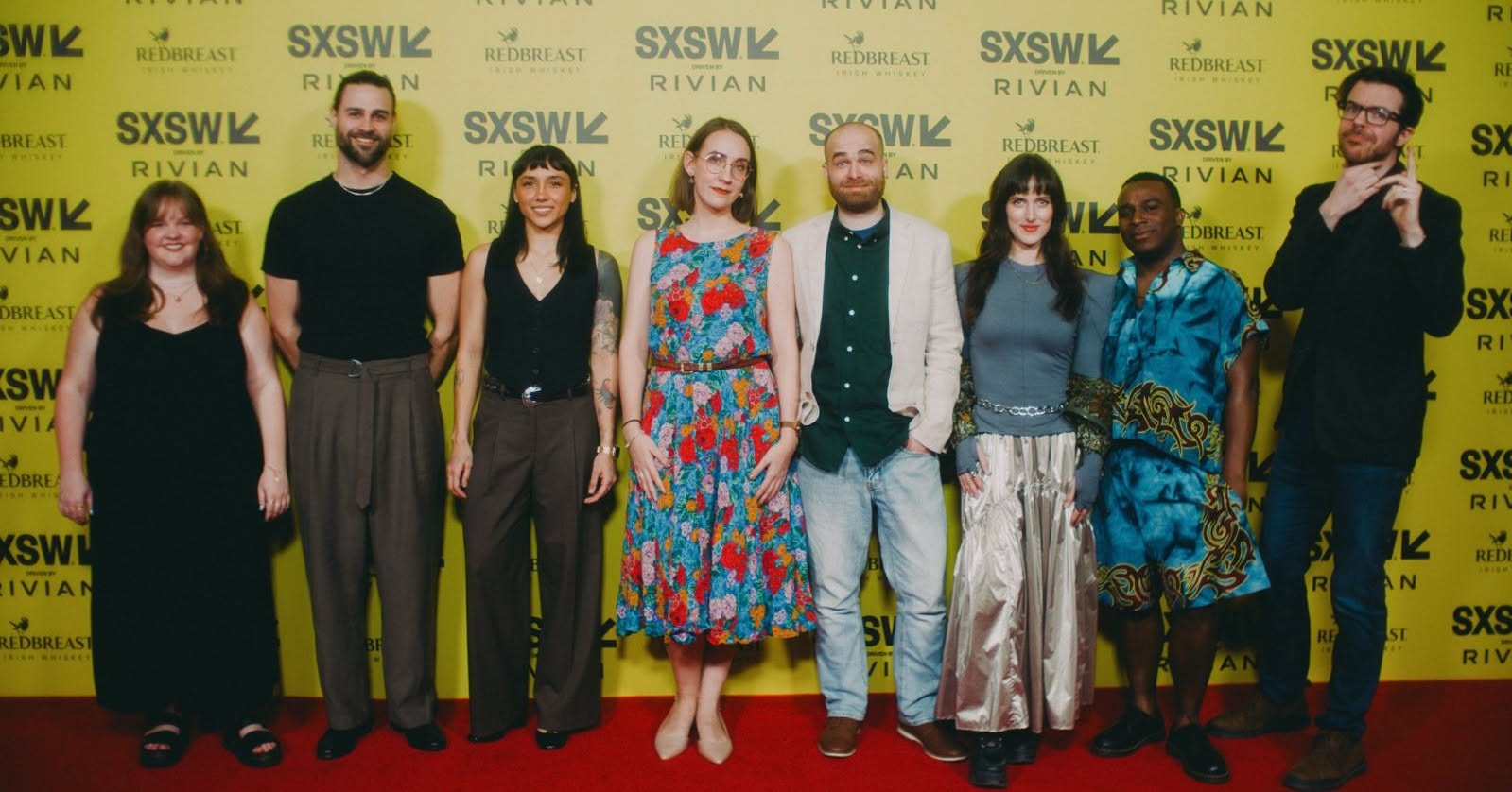
At this point in the conversation, I realized West had been tucked away a little off to the side and had not initially planned on jumping in. Since I was especially interested in the writing process, though, we pulled him into the discussion. What makes this dynamic interesting is that A Safe Distance is so clearly working through feminine experience and feminine subjectivity, yet West is the credited screenwriter. The trust involved in that collaboration is significant, and both of them were quick to stress that the film’s core ideas were built together from the ground up.
Gloria Mercer: Working with Aidan has always been, and continues to be, lovely because he’s somebody I trust very much. I was very fortunate that at every stage of the writing process, even though he’s a great writer and he wrote the film, he always brought me into it. He asked me what I loved, what mattered to me, and I felt as if I were in the film from the very beginning.
Aidan West: We just made the movie together. People have asked, “How did a man write this movie?” and it’s like, we did it together the whole time. A lot of the themes and ideas, from the conception of it, are totally coming from Gloria.
Gloria Mercer: It is helpful, though, because making an indie movie is so hard. Being able to divide and conquer, and each of us taking on different tasks, made it a lot more manageable. Aidan produced the film as well and was on set every single day, doing so much more than just those two things. Everybody on the crew and in the cast wore a lot of hats.
The Writing Process and the Long Road from Short Film to SXSW
One of the things I appreciated most about the film is how well it understands the different kinds of men it is depicting, especially the kind who can perform a politics of sensitivity until that performance is tested. The characters feel specific rather than symbolic. Even with the bank-robbing framework, they still feel recognizably human. Since the project originally existed as a short film before expanding into a feature, I wanted to know how much the screenplay had changed over time and what took shape later in the process.
Gloria Mercer: It was a short film, but by that point, Aidan had already written a feature script. We wanted to shoot the short almost as a proof of concept, and then it kind of grew into wanting to film a more encapsulated short rather than just a couple of scenes.
Aidan West: If I opened my computer and found the first notes, I think they’d be from around 2019. But the movie changed a lot. I think those first drafts were a pretty different movie from the shooting script we ended up with. Honestly, this will sound crazy because it’s so much of what the movie is now, but the whole bank-robbing element of the movie came in a lot later. Earlier drafts were more of a straight drama, and the idea of making it more of a genre piece came later. I think that was very helpful.
Cody Kearsley and Tandia Mercedes in A Safe Distance
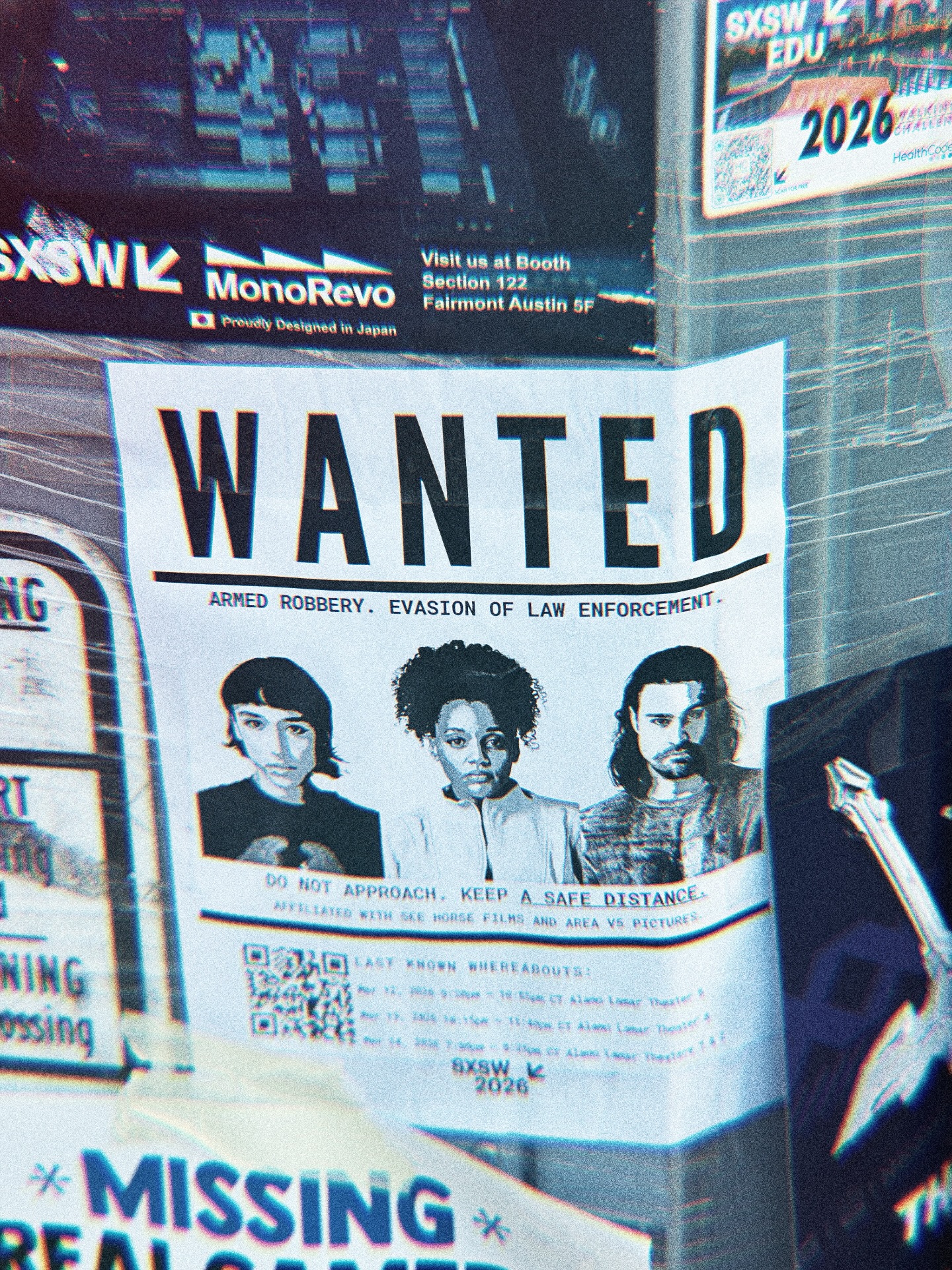
By this point, we had spent a lot of time talking about the film’s development, but the movie would not work without the cast at its centre. Unfortunately, Bethany Brown could not join us for the round table, though her presence came up repeatedly throughout the conversation. Sitting with me were Kearsley, best known to many viewers for work on Riverdale and Daybreak, and Mercedes, who is making her feature debut here after appearing in various shorts, commercials, and television. Since the project had been in some form since 2019, I was curious when they actually entered the process. Kearsley answered first, half jokingly.
Cody Kearsley: Like a week before shooting?
Gloria Mercer: No, it was more than that.
Tandia Mercedes: We had a good month or so to rehearse. Maybe a couple of weeks.
Cody Kearsley: It felt quick.
Gloria Mercer: For me, it felt quick. I do think it was maybe three weeks, maybe even a month.
Gloria Mercer: It’s funny because I knew Cody from Riverdale, but I thought of him as such a baby-faced high school student type. I wasn’t super familiar with your work. Cody actually knows our producer, Nic Altobelli, and when we were looking into casting the film, she suggested him. I thought, “Oh, that’s an interesting idea.” I watched your work, met you, and immediately thought, “Oh, he’s so Matt.” Not that you’re like Matt. You’re very different from Matt.
Gloria Mercer: And actually, we were so fortunate that you’re not like Matt, because you were so thoughtful and sensitive in prep and asked great questions. But I could totally see you in that role, and I could see you with Tandia in the woods in a van.
Tandia Mercedes: I read the script, auditioned, and fell in love with it. I was super excited just to be considered, and I’m glad I got to be part of it because this is my first-ever feature film. Like I’ve said many times throughout this premiere, I’m just super grateful I got to work with such talented actors on my first feature film.
Tandia Mercedes: We were able to rehearse and connect before being on set, and that definitely helped with feeling more comfortable in all the scenes. Everybody on the crew was super welcoming and super fun, and I think that made the film as well. If we didn’t get along, this would be a completely different film. Our connection off camera showed up on camera because of that.
Cody Kearsley: Shout out to Bethany, too, who’s not here. She was a big part of creating that vibe on set.
Gloria Mercer: Yeah, Bethany was wonderful. We were so stressed making the film, not in a bad way, just naturally, because indie filmmaking can get overwhelming. I would turn around, and Bethany and you guys would just be in a little huddle, chatting, keeping each other warm off to the side, and I was always so touched by it. It was lovely to see you all out there.
Gloria Mercer: If it weren’t for you and the spirit of connection you all had, I think I would have been totally lost, because I was worrying about getting the shot, where the camera was going, and how we were going to get a dolly into the woods. Then you guys were just there, bringing it on camera. It was great.
Shooting Cramped Sex Scenes and Working with an Intimacy Coordinator
That sense of comfort matters in every project, but it is especially important here because A Safe Distance is also, at least in part, a film about sexual liberation. The intimate scenes are not incidental. They are central to the film’s emotional and thematic movement. I wanted to hear how those scenes were handled on set, particularly given the physical constraints of shooting in the woods and in tight interiors like the van.
Gloria Mercer: We had a wonderful intimacy coordinator, Tolmie Greaves, whom I’d actually worked with before. I’ll shout her out, because she’s great. She came on early and met with the cast before we shot. My experience working with her was amazing.
There are so many things about intimacy coordination that people don’t understand. We were shooting intimate scenes in the woods, not in a comfy studio with air conditioning. We shot in a van and in very tight spaces. From my perspective, she was integral in making everybody comfortable, silly, giggly, and safe. There’s a lot of consent in the film, and she was always an advocate for that. She was very vocal about loving to see joyous consent. I loved working with her.
Tandia Mercedes: Intimacy coordinators are so important. She definitely helped, because part of the process is that she’ll ask, “Is there anything you don’t want to happen in these scenes?” We go over each other’s boundaries to make sure nobody accidentally touches someone where they don’t want to be touched. Once again, how comfortable we were with each other before shooting helped a lot, because it made those scenes much more comfortable.
Tandia Mercedes: I remember the van scene specifically. They’d call cut, and then Cody, Bethany, and I would just sit there in silence for a second and then burst out laughing, because we were like, “What do we do now?” We had all just been kissing, and now we were sitting awkwardly in this van. It wasn’t uncomfortable. It was just funny. We’d just breathe for a second. It was fun.
Cody Kearsley: There was one part where I’m behind Tandia, and then I have to get around behind Bethany. The way it’s shot, it’s so fluid and smooth and beautiful. In reality, I’m doing a crab walk along the side of the trailer, trying to get over there.
Gloria Mercer: I remember that very well. I was like, “I think we need to do it this way, Cody,” and I looked at you with fear in my eyes, and you were like, “I can do that.” I thought, “Okay.” Then you did it, and I thought, “I did not know if you could, and you did.” You made it look graceful. That was all you.
Cody Kearsley: It was one of the best sex scenes I’ve ever seen. It was beautiful. Really incredible.
Gloria Mercer: Shout out to you guys and Bethany, and also to the great cinematographer, Devan Scott. It was hard, honestly. The physics of it were making it feel smooth.
Cody Kearsley: Yeah, the reality was not reflective of the final product.
Gloria Mercer: Movie magic.
Cody Kearsley: When you’re working with an intimacy coordinator, it’s so technical. There’s a camera in your face, and everything is choreographed, so it doesn’t feel at all like what the audience sees. In reality, it’s a totally different experience.
Tandia Mercedes: For me, during an intimate scene, because it is choreographed, I might be kissing someone, but my brain is just going, “Okay, now my hand goes here, now this, now I’m going to turn.” You’re thinking about what the next thing is, and also hoping it looks natural. Then the intimacy coordinator and Gloria will say, “That looked a little weird. Maybe put your hand here. This hand isn’t doing anything, so maybe try this.” That definitely helps, because in the moment, you might not realize your hands aren’t moving or something.
Devan Scott and the Cinematography of A Safe Distance
I also wanted to ask about Cinematographer Devan Scott’s work on the film, because the visual language here does a lot more than simply document action. The forest feels alive in the frame. Sometimes it opens up into something seductive and freeing, and sometimes it closes in like a trap. That duality is essential to the film, and Mercer’s answer made it clear how deliberate those visual choices were from the beginning, right down to the relationship between camera movement, texture, and the influence of 1970s American cinema.
Gloria Mercer: Devan and I have collaborated on a few things. A lot of people on this crew are close friends of mine, and I was lucky for that because we got to spend so much time in prep. He shot the short film as well, and he was involved in every step of developing the feature.
Gloria Mercer: We talked a lot about the films that inspired the cinematography of this movie. We both love Robert Altman, and he has some great movies set in the Pacific Northwest. So we used a lot of long-lens photography and zoom lenses. That was partly practical and partly aesthetic. We kept asking how we could build movement into the movie and make it feel fluid and kinetic while also working with a limited toolkit.
Gloria Mercer: We were really inspired by Robert Altman’s McCabe & Mrs. Miller, which is a very different movie, but the cinematography really inspired us. He also made Thieves Like Us, which is more similar in plot, I guess. We were really hearkening back to those gritty films from the ’70s, and that was there from the beginning.
Gloria Mercer: Devan also coloured the film. He’s a colourist, so he really built that in. There’s a lot of film emulation, and throughout the film, the image changes. How dirty the lens feels changes. I was just very lucky to have him so deeply involved throughout the whole process.
Gloria Mercer: We shot it digitally on a Sony Venice, with some B-cams as well. We had a crash cam
Aidan West: And a Blackmagic camera.
Gloria Mercer: We had a Blackmagic, yes. It was digital, and Devan has extremely nuanced thoughts on film emulation and how that process works. Truly, truly shout out to him. He’s just very thoughtful about that side of it.
The Canadian Influences in A Safe Distance
Before we wrapped, I needed to ask about the Canadian references running through the film. This was one of those oddly specific things that made the movie feel unexpectedly close to me. Cody’s character is from Lethbridge. I was born there. Bethany Brown’s character is from Calgary, where I live now. The characters met at the University of Alberta, where I did my undergraduate degree. It all arrives in one scene, and it hits with a weirdly personal specificity. I also wanted to talk about the needle drops, because the music choices stood out immediately, and made an immediate addition to my playlist.
Adam Manery: Something I love about Canadian projects is when they name-drop cities. It’s just funny because I’m from Lethbridge, I live in Calgary, and I went to the University of Alberta.
Gloria Mercer: Have you ever robbed a bank before?
Cody Kearsley: Is this a biopic? Did you live in a van?
Adam Manery: The Canadian city shout-outs… were they random, or were they chosen for a reason?
Gloria Mercer: They were thought out, because I think that is a real bus route and a real trip you can take from the West Coast to the East Coast. But it was also just that we were making this movie in Canada, in B.C., and we weren’t going to hide that. We were going to talk about it.
Aidan West: And Kamloops, Salmon Arm, that kind of area, we’ve spent a lot of time there, so it’s a place we have more of a connection to.
Cody Kearsley: Why Lethbridge?
Aidan West: I think I just liked the idea of him not being from Calgary, and it was one of my favourite places in the area. I don’t have a particular emotional connection to it.
Gloria Mercer: All the needle drops in the film are Canadian.
Gloria Mercer: Shout out to Destroyer, Dan Bejar, and shout out to Le Ren.
Aidan West: They’re both Vancouver artists. All Canadian. Great songs, and it’s nice that they’re from Vancouver.
If you are drawn to beautiful forest cinematography, stories of sexual liberation, richly three-dimensional characters, or simply want to support independent Canadian cinema, A Safe Distance is absolutely a film to keep on your radar.
A Safe Distance had its world premiere at the 2026 SXSW Film & TV Festival on Thursday, March 12, and Canadian distribution is being handled by Vortex Media, with specific distribution details TBA.


