


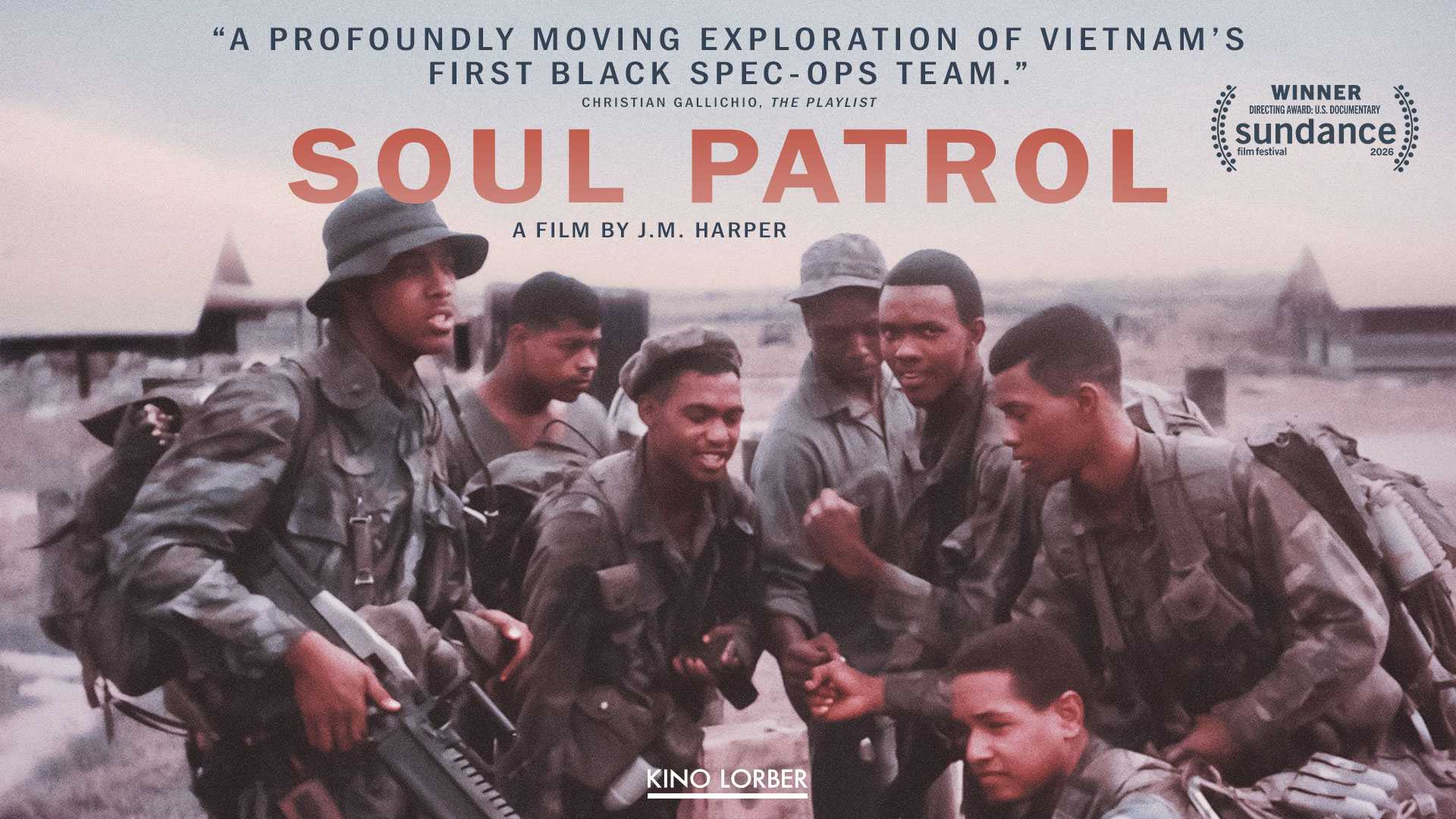
Soul Patrol is one of the most underrated and underseen films of 2026. That might seem like a strange thing to say about a documentary that premiered at the 2026 Sundance Film Festival, won its U.S. Documentary Directing Award, and went on to screen at True/False, Full Frame, and the Sarasota Film Festival, where it also won the top documentary prize. But recognition on the festival circuit does not always translate to a wider audience, and J.M. Harper‘s latest deserves one, particularly as Kino Lorber begins its limited theatrical rollout on November 6, 2026.
I first spoke with Harper at Sundance in 2024, when he and rapper Kemba were promoting As We Speak, a documentary about the use of rap lyrics in criminal prosecutions. It was one of my favourite films of that festival and one of my favourite documentaries of the year, later earning a spot on my most underrated films of 2024 list. Soul Patrol is right up there with it. In both films, we see Harper’s distinctive approach to nonfiction storytelling, informed by his earlier career as an editor and his willingness to incorporate techniques more commonly associated with narrative filmmaking. He is a director whose work I will continue to seek out.
What Is Soul Patrol About?
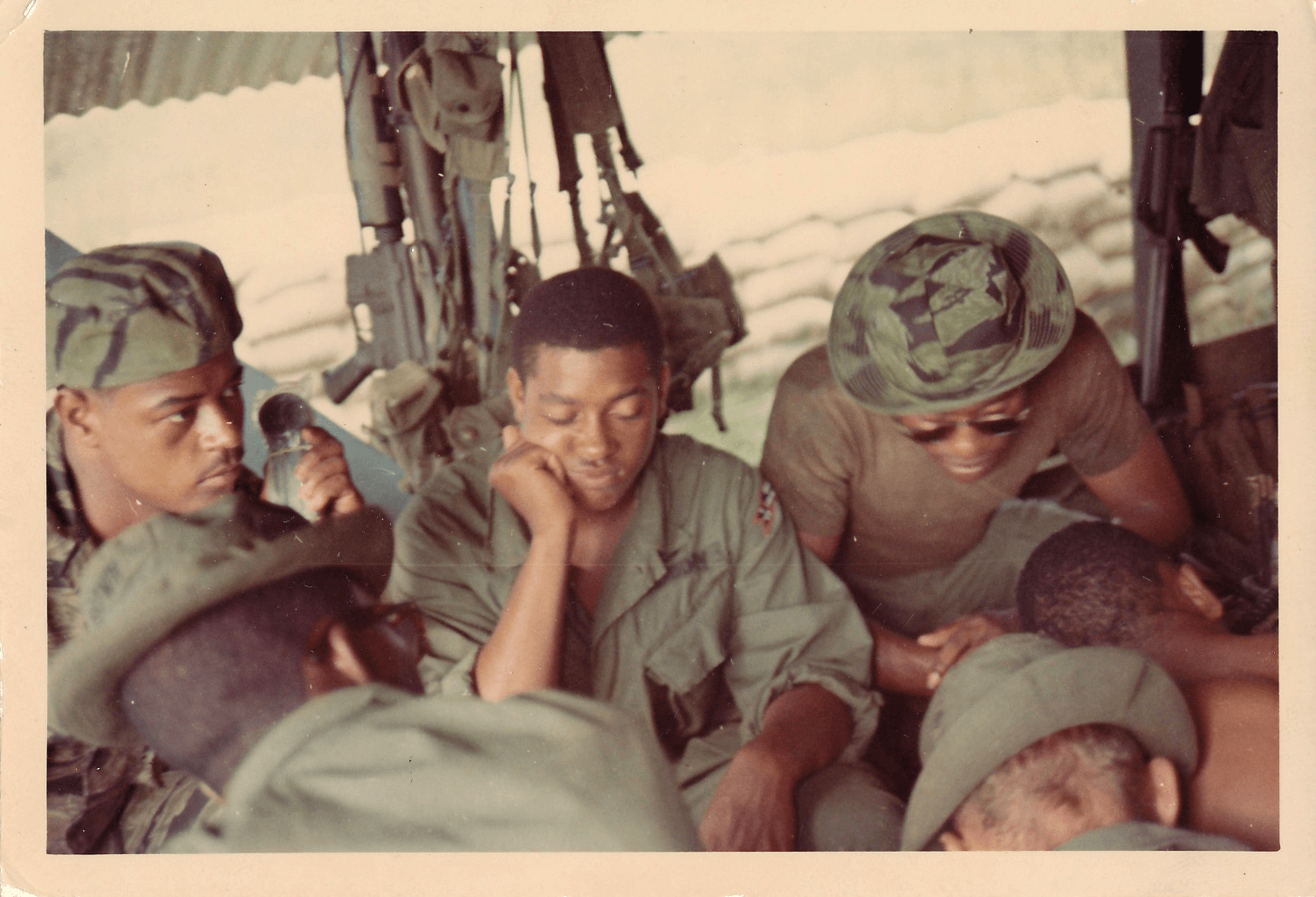
Soul Patrol tells the story of the Vietnam War’s first all-Black special operations team, a Long Range Reconnaissance Patrol unit sent deep behind enemy lines. At the centre is Ed Emanuel, whose account of his 1968–69 service became the basis for the film. Decades later, Emanuel and other surviving members reunite to discuss what happened in Vietnam and, perhaps more importantly, what happened after they returned home.
It is a story I knew very little about. I would hardly consider myself a scholar of the Vietnam War, but that unfamiliarity is part of what makes the film so valuable. These men were serving in Vietnam while the civil rights movement and the anti-war movement were reshaping the United States. They were fighting for their country overseas while being denied equality at home, and struggling with their own questions about whether they should have been there in the first place.
What makes that contradiction even more painful is the reception they faced upon returning. Their stories found little space in a country that was already eager to turn away from the war. Racism and indifference left Black veterans overlooked, while opposition to the war within parts of the Black community could make their service difficult to discuss there, too. The result was an extraordinary sense of isolation. For many of these men, the experiences that had changed their lives were the very experiences they felt unable to share.
J.M. Harper’s Haunting Narrative Adaptations in Soul Patrol
One of the most remarkable things about Soul Patrol is something that would ordinarily make me sceptical of a documentary: its dramatic reenactments. Too often, particularly in formulaic streaming documentaries, these sequences offer little more than an illustration of what someone has already told us. Sometimes they actively detract from the story. Harper manages the opposite.
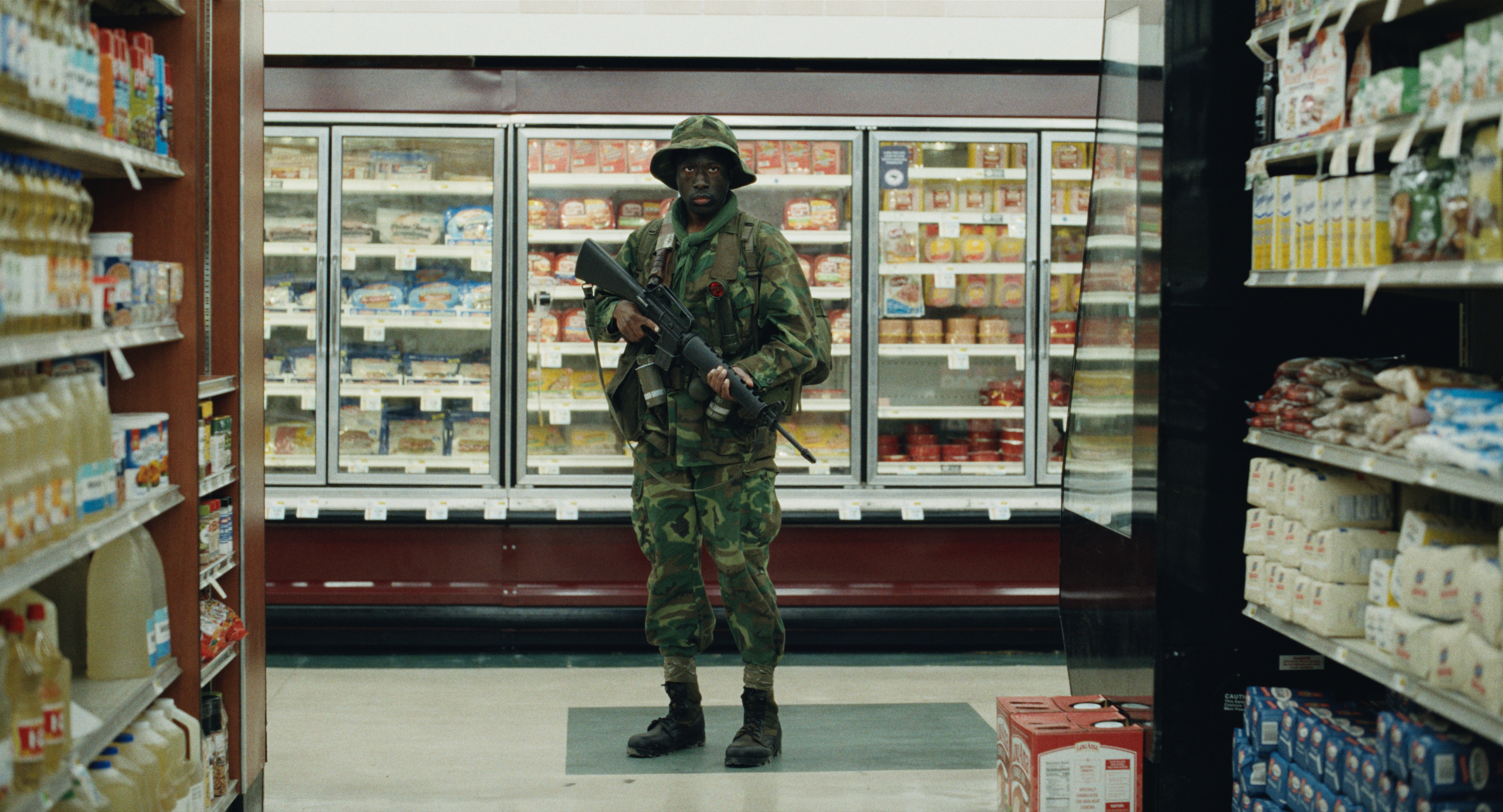
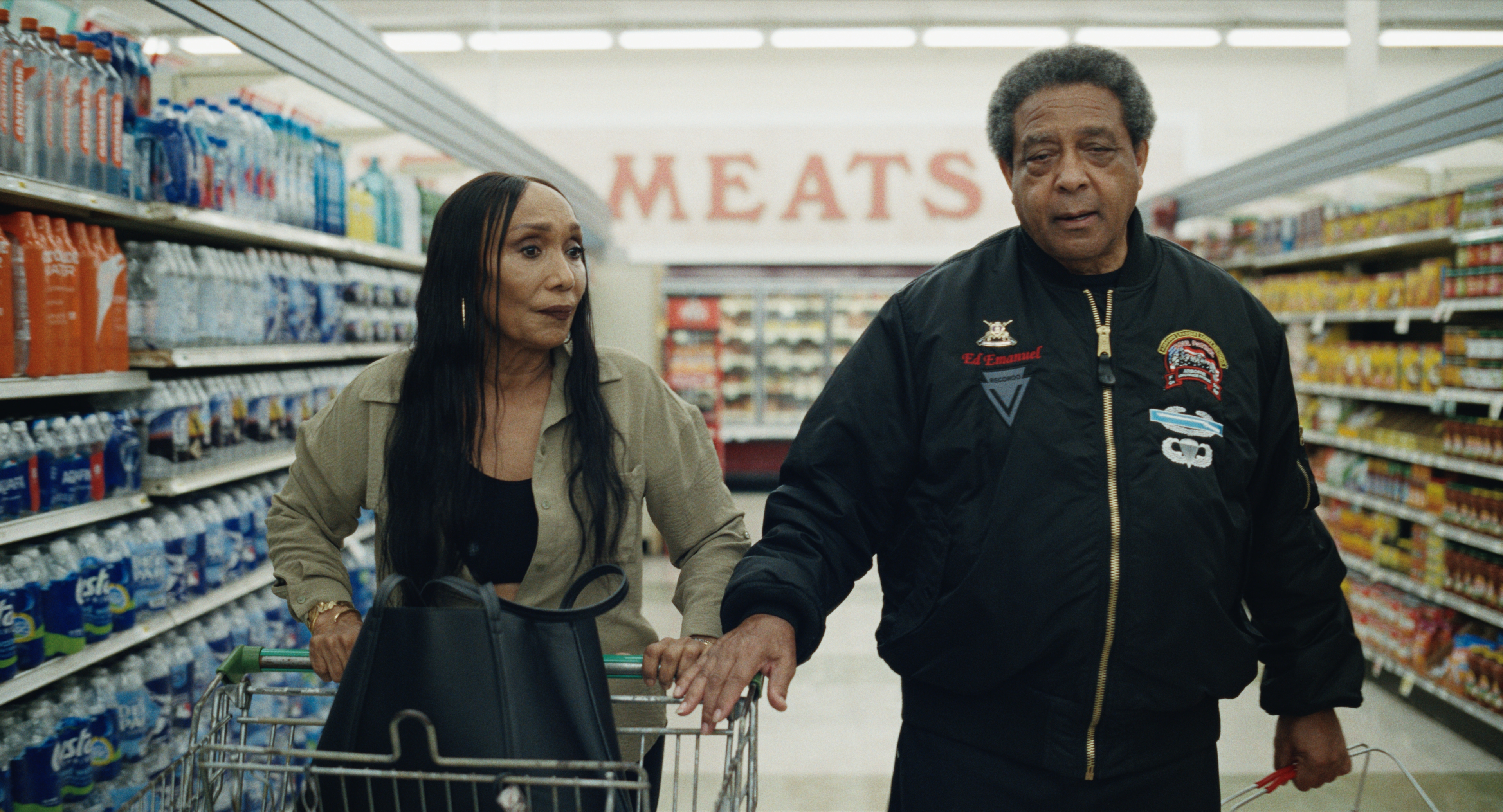
Early in the film, we see a Black soldier standing in a grocery store aisle. It is a simple image, but an immediately arresting one. There is something profoundly unsettling about seeing him there, out of place and yet somehow trapped in that space. That scene caught my attention immediately, and the film never really let go of it.
Harper has described these sequences as “adaptations” rather than conventional reenactments, which makes sense. They do not simply reconstruct events for the sake of showing us what happened. Working with cinematographer Logan Triplett, Harper builds images that suggest what it feels like to remain haunted by an experience decades after it has ended. They are beautiful, sometimes surreal, and frequently disturbing. These brief dramatic passages make the psychological consequences of the war tangible in a way that a conventional recreation of a firefight could not. They form an emotional backbone for the film rather than an interruption to it.
How the Editing in Soul Patrol Captures Memory and Trauma
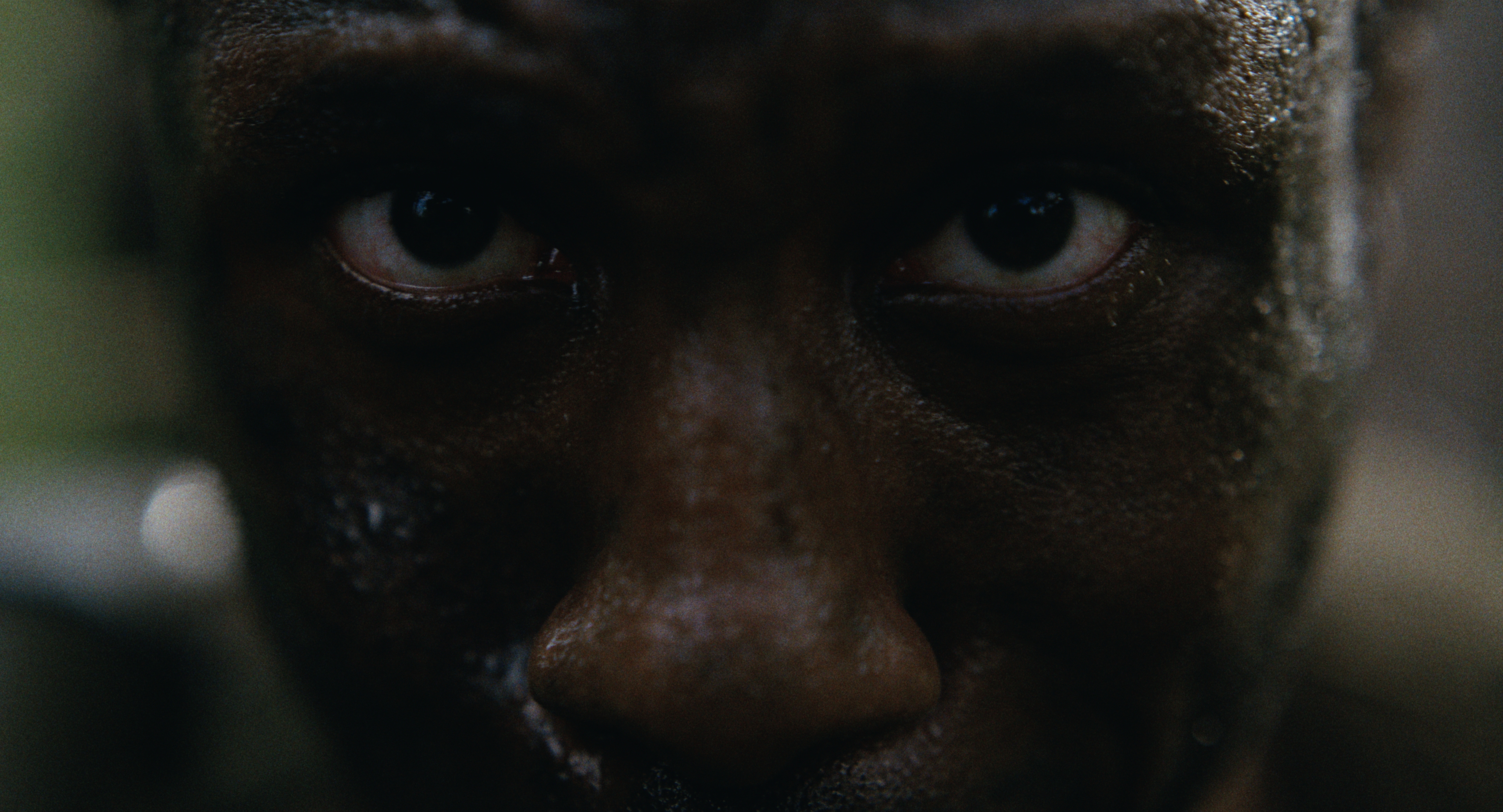
Harper’s experience as an editor is just as evident in the documentary’s construction. Alongside editors Byron Leon, Gabriela Tessitore, and Niles Howard, he moves between present-day interviews, photographs, archival material, and remarkable Super 8 footage filmed by the soldiers themselves. Some images remain on screen for only a second or two before giving way to something else. The pace can be frenetic, and there is often very little time to settle into what we are watching.
That restlessness feels entirely appropriate. The film is concerned with men whose lives were irrevocably altered by their service, and its editing rarely gives us the security of a stable, straightforward recollection. Memories overlap. Images appear and disappear. We move from the young men they once were to the older men still carrying those experiences, sometimes in the space of a few seconds.
Post-traumatic stress is addressed directly at points, but it is also present in the film’s very form. The rapid changes in imagery, the breaks from documentary footage into those haunting dramatic vignettes, and the constant movement between past and present all suggest how difficult it can be to leave an experience behind when it continues to intrude upon everyday life.
Is Soul Patrol Worth a Watch?
What I admire most about Soul Patrol is that its visual ambition never comes at the expense of the men whose stories it tells. Harper finds an inventive, emotionally powerful way to bring a largely overlooked chapter of history to the screen without losing sight of the individuals at its centre. After As We Speak and now Soul Patrol, he has established himself as one of the documentary filmmakers whose work I find most exciting. This is an exceptional film, and one that deserves to be seen.
Additional markets and opening dates for Soul Patrol can be found online through Kino Lorber.


