



(Toronto International Film Festival)
After counting down the Top 26 films to watch at TIFF 2026, I wanted to spend some more time specifically on the Canadian side of this year’s lineup. There is more than enough Canadian work at the festival to justify narrowing the focus, from Quebec thrillers and Alberta hockey to political collage, international co-productions, and a rocket-powered attempt to jump the St. Lawrence River.
I am using a deliberately broad definition of “Canadian” here. Rather than trying to decide what percentage of the financing, cast, crew, or creative control needs to come from Canada, a film qualifies for this list if Canada is officially one of its producing countries. That means international co-productions such as Closing Night and A Long Winter are being considered alongside films produced entirely within Canada.
Without further ado…
10. The Stunt Driver
Premiere Status: World Premiere
Programme: Special Presentations
What is The Stunt Driver About?
(TIFF 2026 / official production materials)
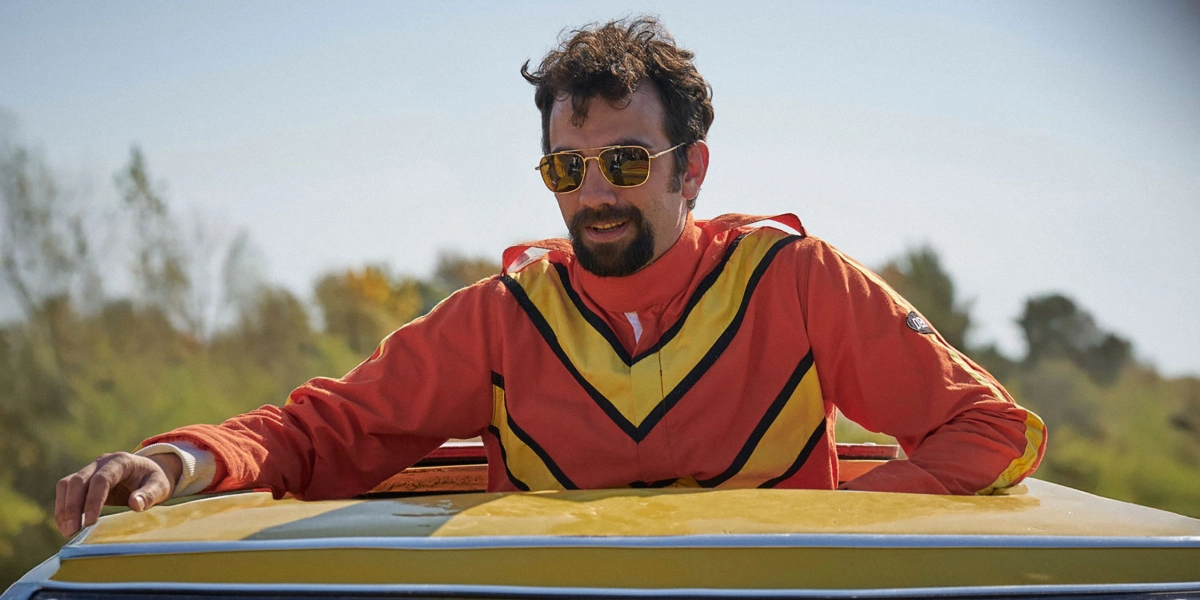
Set in the mid-1970s, The Stunt Driver follows Canadian daredevil Ken Carter, who becomes consumed by an increasingly audacious plan to jump a rocket-powered car across the St. Lawrence River. Carter spends years pursuing the stunt despite technical problems, financial pressure, public doubt, and the fairly obvious possibility that attempting it could kill him.
Jay Baruchel plays Carter, with Ben Foster appearing as fellow daredevil Evel Knievel and Ed Helms as Carter’s promoter, Dick Keller. The film draws from Carter’s true story and the National Film Board of Canada documentary The Devil at Your Heels.
Director: Michael Dowse
Cinematography: Sara Mishara
Cast: Jay Baruchel, Ben Foster, Ed Helms, Dan Bakkedahl, Laurence Leboeuf, Derek Johns, Jonathan Cherry, Marc Beaupré, Joe Cobden
Why The Stunt Driver Might Be Worth a Watch
If we are talking about Canadian films, getting Jay Baruchel involved early feels appropriate. He is also reuniting with director Michael Dowse after Goon, which remains a pretty useful reference point for a film trying to find the person underneath a particularly Canadian form of ridiculous masculine ambition.
Ken Carter’s plan is inherently funny: spend years trying to launch a rocket-powered Lincoln Continental across the St. Lawrence River. What keeps the story from simply becoming a collection of jokes about an obviously dangerous idea is that Carter appears to have believed in it completely. Obsession, bravado, self-mythology, financial opportunism, and genuine optimism can all coexist inside somebody convinced that the impossible thing is only impossible until he does it.
There is also something appealingly specific about making this kind of Canadian spectacle at TIFF rather than sanding away the regional history. Add Sara Mishara behind the camera and a cast that includes Ben Foster as Evel Knievel and Ed Helms as Carter’s promoter, and this should at least offer a welcome break from some of the much heavier films on your TIFF schedule.
9. Closing Night
Premiere Status: World Premiere
Programme: Special Presentations
What is Closing Night About?
(TIFF 2026 / official production materials)
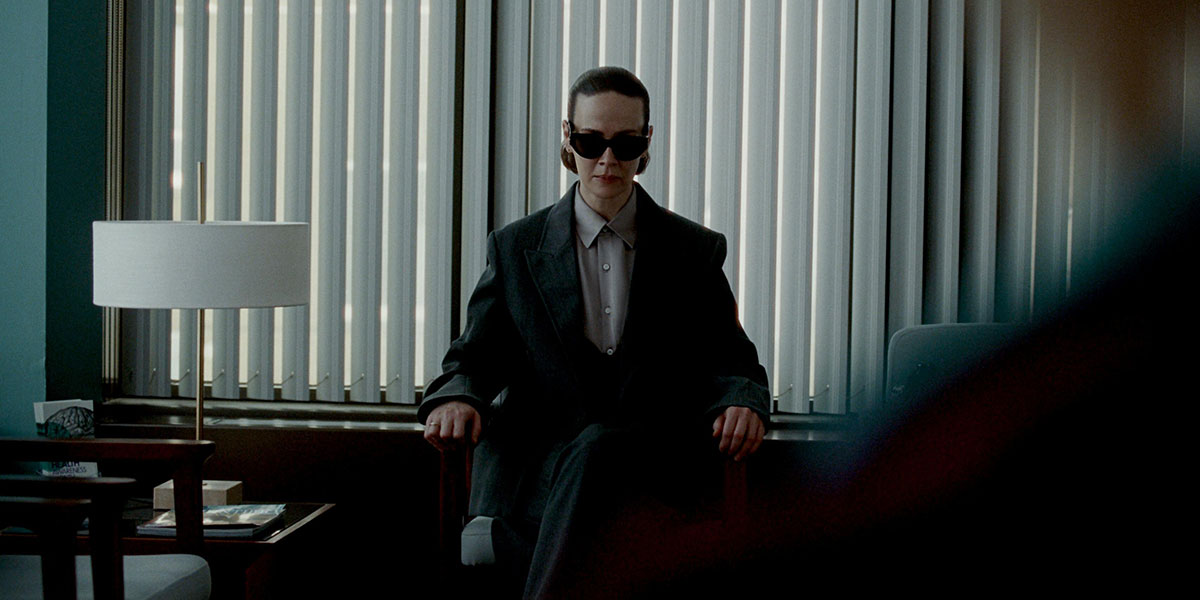
Sandra Vale is an acclaimed actor approaching one of the most important performances of her career when her estranged sister, April, re-enters her life after 30 years apart. The reunion brings decades of unresolved family history into a moment when Sandra is already under intense professional pressure.
Sarah Paulson plays Sandra opposite Naomi Watts as April, with Dianne Wiest, Toby Wallace, Odessa A’zion, and Julie Le Breton rounding out the family ensemble. The film is the feature directorial debut of actor Cody Fern, who co-wrote the screenplay with Devon Bostick.
Director: Cody Fern
Cinematography: Yves Bélanger
Cast: Sarah Paulson, Naomi Watts, Dianne Wiest, Odessa A’zion, Toby Wallace, Julie Le Breton
Why Closing Night Might Be Worth a Watch
The cast does a fair amount of the initial selling here. Sarah Paulson, Naomi Watts, and Dianne Wiest give first-time feature director Cody Fern a pretty formidable group of actors to work with, but the more interesting part of the premise is that Sandra is facing one of the most important performances of her career just as her estranged sister returns after 30 years.
Sandra has built a career around controlling what she reveals in front of an audience. Then somebody who knew her decades before that public identity existed walks back into her life. There is a potentially uncomfortable gap there between the person you learn how to present to the world and the version of you that your family remembers, particularly when the family relationship has been frozen for 30 years.
Fern is also working with cinematographer Yves Bélanger, whose credits include Brooklyn, Wild, and Dallas Buyers Club. A performance-heavy family drama can easily become overly dependent on actors talking in rooms, so I am curious to see how much visual space the film creates around those confrontations. As an Australia-Canada co-production and a TIFF world premiere, there is also still a genuine element of discovery here despite the very recognizable cast.
8. L’AUTRE
Premiere Status: World Premiere
Programme: Centrepiece
What is L’AUTRE About?
(TIFF 2026 / official production materials)
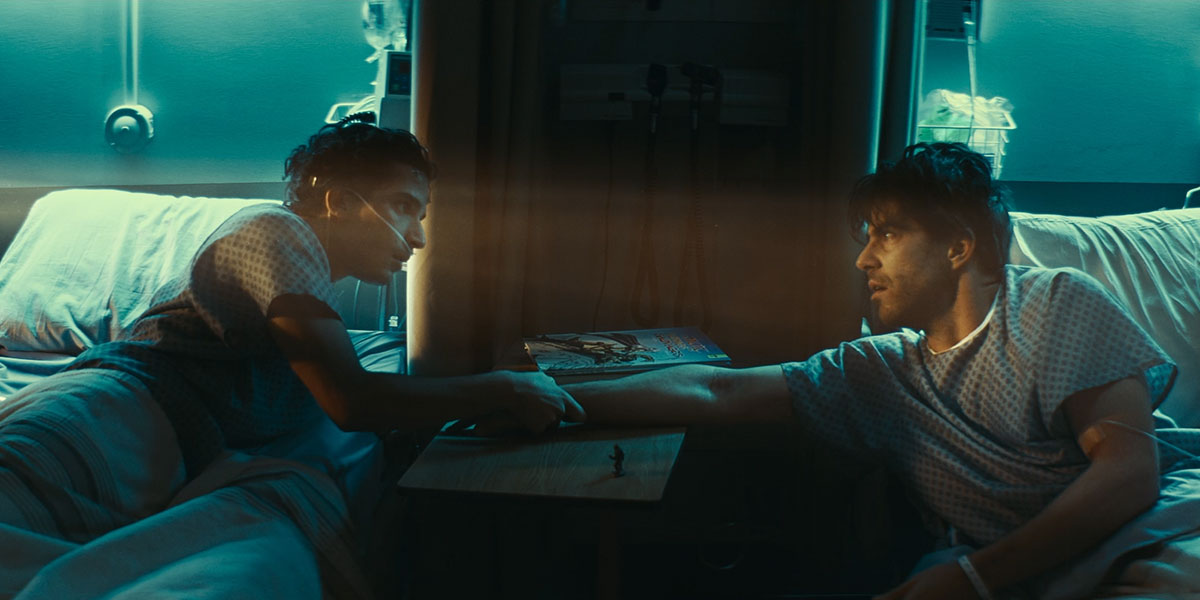
Stan is recovering from cancer surgery in a hospital when Darius, a young man suffering from a gunshot wound, is placed in the neighbouring bed. Stan is already confronting pain, medication, and the possibility that he may not survive when his new roommate begins pulling him into something increasingly difficult to distinguish from paranoia.
As genuine threats and imagined dangers begin to overlap, the hospital becomes the setting for a darkly comic confrontation involving mortality, identity, fear, and the stories people construct when they are losing control. Writer-director Alexandre Franchi drew the film partly from a hospital stay during his own experience with cancer.
Director: Alexandre Franchi
Cinematography: Steve Asselin
Cast: Pierre-Yves Cardinal, Bilel Chegrani, Karine Gonthier-Hyndman, Nahéma Ricci, Marc Messier, Benoît Gouin, Maxime Genois
Why L’AUTRE Might Be Worth a Watch
The personal connection is what pushes L’AUTRE beyond an otherwise familiar question about whether a character can trust what he is seeing. Alexandre Franchi has spoken openly about the film growing partly from a hospital stay that nearly killed him, so Stan’s loss of physical control is not simply a convenient mechanism for making his perceptions unreliable.
The fantasy grows directly out of that loss of control. Stan is an aspiring writer whose body has suddenly become the thing dictating the terms of his life. Faced with pain, medication, uncertainty, and a stranger beside him who may or may not represent a genuine threat, inventing a larger explanation for what is happening can become both a coping mechanism and a danger of its own.
Pierre-Yves Cardinal leads a particularly strong Quebec cast that also includes Nahéma Ricci, Karine Gonthier-Hyndman, and the late Marc Messier. TIFF is hosting the world premiere in Centrepiece, and this feels like exactly the kind of Canadian genre-adjacent film that can get buried when people build their schedules exclusively around the larger Special Presentations.
7. Toy Gun Bandit
Premiere Status: World Premiere
Programme: Centrepiece
What is Toy Gun Bandit About?
(TIFF 2026 / official production materials)
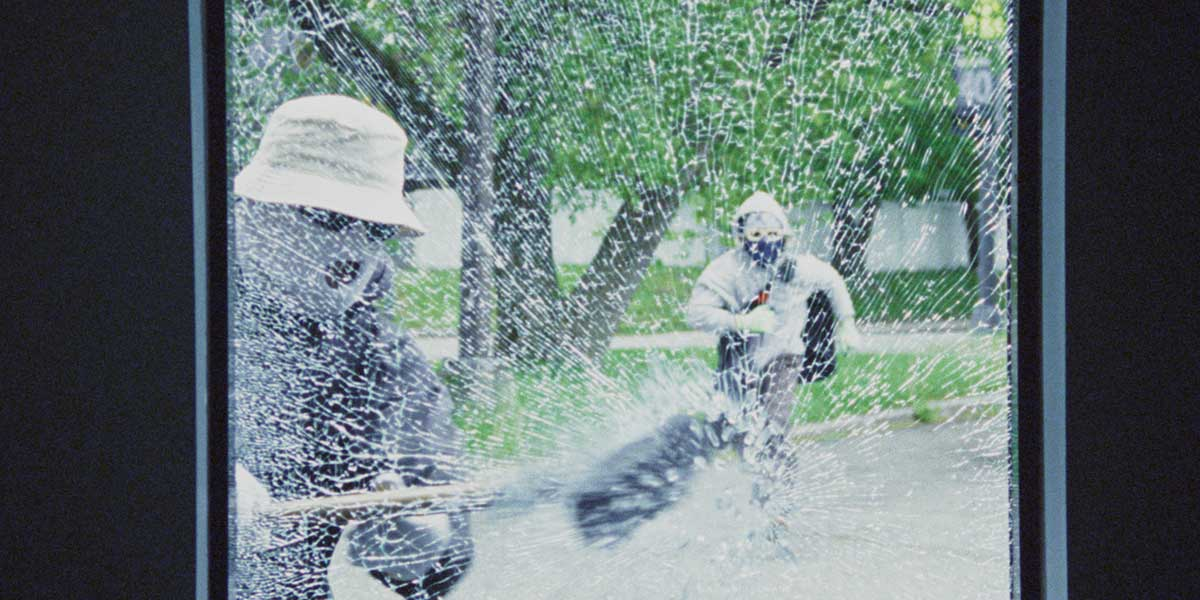
In suburban Quebec, Félix is desperate enough for attention that a reckless encounter with a toy gun becomes the beginning of something considerably more serious. After bragging about committing a robbery, he is pulled by his new friend Dave toward a plan to rob a bank.
The excitement of pretending to be dangerous starts disappearing once the people around Félix introduce actual weapons and actual consequences. What began as adolescent performance gradually becomes a criminal spiral threatening his friendships, his values, and his life.
Director: Rémi St-Michel
Cinematography: Xavier Bossé
Cast: Félix Munger, David Beaudoin, Sara Montpetit, Brandon Truong, Lou Thompson, Chau-Phi Van Quirion, Jenny Mark Turmel Pichette, Mathieu Bourret
Why Toy Gun Bandit Might Be Worth a Watch
What I like most about Toy Gun Bandit on paper is how specifically Rémi St-Michel is rooting the criminal fantasy in suburban Quebec. Félix is not entering some polished gangster world. He is a teenager discovering that doing something reckless can suddenly make other people look at him differently, and he does not yet have enough experience to understand what happens when the performance stops being pretend.
That adolescent desire for recognition is a much more grounded starting point than criminal ambition. Doing something dangerous can briefly make you feel more important, more interesting, or simply more alive; the problem is that success reinforces the behaviour right up until the consequences become too real to control.
St-Michel has described this as his most personal feature, and he wrote, directed, and edited it himself. The presence of older characters already deeper inside criminality also creates a useful contrast between young people trying on an identity and adults who have allowed that identity to become their life. With Xavier Bossé handling the cinematography and a largely young Quebec cast, this has a good chance of feeling much closer to a particular place and generation than a generic coming-of-age crime movie.
6. How We Stand

Premiere Status: World Premiere
Programme: Centrepiece
What is How We Stand About?
(from TIFF 2026 – Kelly Boutsalis)
Based on writer-director Marie Clements’ (Bones of Crows, TIFF ’22) own play Tombs of the Vanishing Indian, How We Stand is a riveting drama of sisters whose lives are shaped by government policies meant to eradicate Indigenous people.
In 1950s Oklahoma, a single mother (Cara Jade Myers, Killers of the Flower Moon) and her three young daughters take a risk on the Native American Relocation Program, and journey to Los Angeles. But instead of the promised career and stability, they find the opposite. A traumatic event takes place in the Los Angeles’ river’s concrete channel, which then becomes a crucial place for the sisters in its aftermath.
Divided into different foster homes, we meet them again 20 years later, as young women. Jessie (Amber Midthunder, Rez Ball, TIFF ’24) is a doctor, about to start a new job at a clinic alongside her husband, while her sister Miranda (Alyssa Wapanatâhk, Bones of Crows, TIFF ’22) is an activist trying her hand at acting. Lastly, Janey (Isabel DeRoy-Olson, Fancy Dance) is in distress, fresh from a trauma she can’t express. Their paths are very different, but all are tinged by historical injustices.
Director: Marie Clements
Cinematography: Adam Madrzyk
Cast: Amber Midthunder, Alyssa Wapanatâhk, Isabel DeRoy-Olson, Cara Jade Myers, Darren Mann, Eric Johnson, Gil Bellows, Mary Walsh, Gary Farmer, Tonantzin Carmelo
Why How We Stand Might Be Worth a Watch
Marie Clements returns to TIFF after Bones of Crows with another project engaging directly with government systems used to separate Indigenous people from family, community, culture, and land. This time she is adapting her own play, Tombs of the Vanishing Indian, beginning with the promises attached to the Native American Relocation Program and following the consequences after those promises instead result in loss and separation.
The institutional history is obviously important, but the part I am most interested in is what Clements does with the sisters after they have been separated. Their lives move in different directions before gradually pulling back toward one another, turning the film into a story about survival and rebuilding relationships rather than treating historical trauma as the endpoint.
Clements is also incorporating magical realism, which gives her more freedom to work with memory, absence, and the ways people remain connected across time and distance. With Amber Midthunder, Alyssa Wapanatâhk, Isabel DeRoy-Olson, Cara Jade Myers, and Gary Farmer among the ensemble, there is a lot of Indigenous talent here without the film simply becoming a showcase for recognizable names. TIFF is also hosting the world premiere, so there is still very little outside consensus telling audiences what to expect.
5. The Betrayers
Premiere Status: World Premiere
Programme: Centrepiece
What is The Betrayers About?
(TIFF 2026 / official production materials)
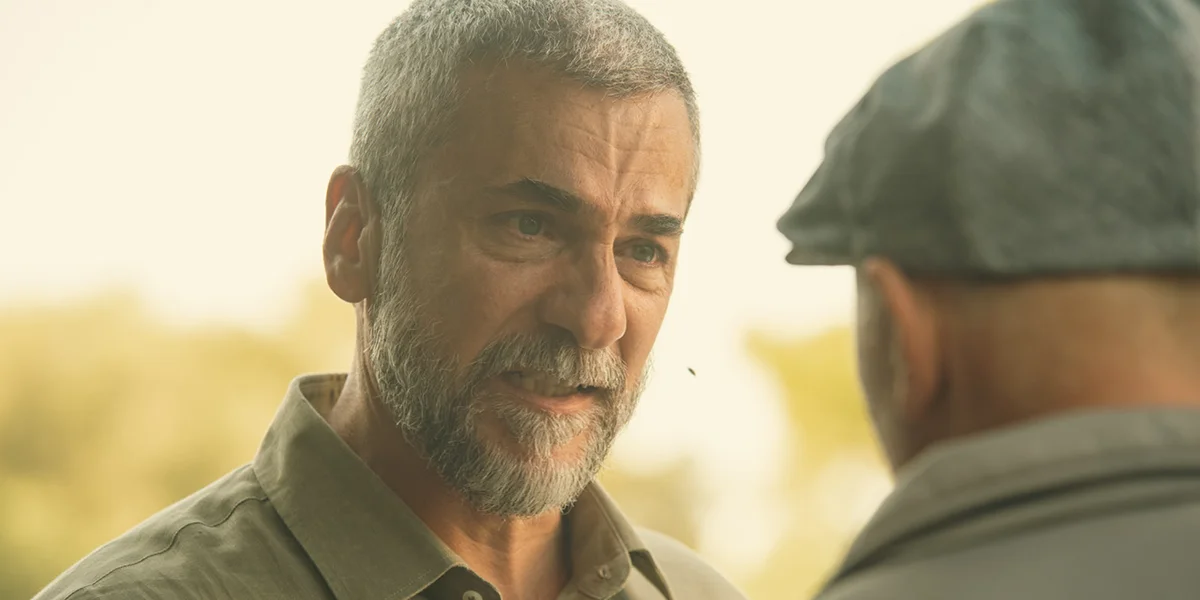
Baruch Kotler is a former Soviet dissident who survived imprisonment after being betrayed to the KGB and later became a prominent Israeli politician. Decades after building a public identity around the principles he maintained under repression, his political career begins collapsing and an affair becomes public.
Kotler retreats to Crimea, where he unexpectedly encounters the former friend whose betrayal helped send him to prison. Their reunion forces both men back toward choices made decades earlier while Kotler is simultaneously confronting compromises within his own life.
The Canada-Ukraine co-production is adapted by writer-director David Bezmozgis from his own novel.
Director: David Bezmozgis
Cinematography: Jared Raab
Cast: Michael Aronov, Kaelen Ohm, Simon McBurney, Tina Benko, Roxanna Hope Radja
Why The Betrayers Might Be Worth a Watch
There is an uncomfortable symmetry at the centre of The Betrayers. Baruch has spent decades living with the consequences of somebody else’s betrayal while constructing a public identity around the principles he maintained under Soviet repression. When he encounters that man again, however, Baruch is no longer approaching the question from any uncomplicated moral position. His own political and personal life is falling apart around compromises he now has to account for.
David Bezmozgis adapting his own novel also makes the film interesting as something more than a straightforward political thriller. The reunion is complicated by the fact that both men have spent decades living with, and justifying, the choices that separated them. The former friend has to account for betraying Baruch to the KGB, while Baruch is confronting the affair and political compromises that have damaged his own public life.
The craft element that especially caught my attention is Jared Raab, who shot The Dirties, Operation Avalanche, and BlackBerry with Matt Johnson. This is very different material, which is precisely why I am curious to see what he brings to it. As a Canada-Ukraine co-production receiving its world premiere at TIFF, The Betrayers also occupies a unique place within this year’s Canadian lineup.
4. Smudge the Blades
Premiere Status: World Premiere
Programme: Centrepiece
What is Smudge the Blades About?
(from TIFF 2026 – Kelly Boutsalis)
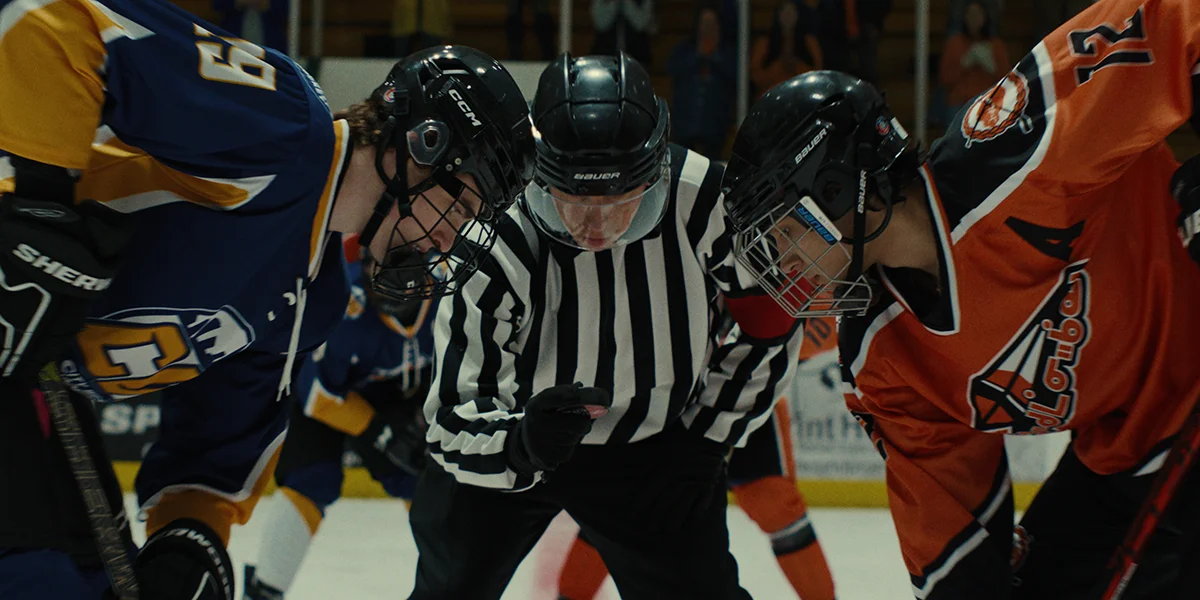
This second feature film from director, and actor, writer Cody Lightning is grittier and more dramatic than his debut, Hey, Viktor, but with more heart — and a cast from Rez Ball, Reservation Dogs, The Office, and Rutherford Falls.
The Treaty 6 Blades are a struggling U-18 team of teen boys — and one girl, Jaycee Pipestem (Paulina Alexis) — led by their coach (Ed Helms), in their last year of eligibility. When their team is kicked out of the league, the local arena’s Zamboni driver (Lightning) offers to coach. Technically, his intentions aren’t pure, as he has his sights set on wooing hockey mom Chanelle Okimâw (Jana Schmieding), but despite his shortcomings, the underdog team begins to finally come together.
Director: Cody Lightning
Cinematography: Liam Mitchell
Cast: Cody Lightning, Jana Schmieding, Paulina Alexis, Treycen Wuttunee, Isaiah Kakepetum, River Rayne Thomas, Elijah James Lee Moar, Ezekiel James Mekanek, Tyler Halcrow, Ed Helms
Why Smudge the Blades Might Be Worth a Watch
I chatted briefly with Cody Lightning at the Calgary International Film Festival when he was there with Hey, Viktor!, and he was incredibly funny and down-to-earth. After watching that film turn his own history as the child actor from Smoke Signals into a wonderfully self-deprecating comedy, him moving into a rez-hockey movie is a pretty easy sell for me.
There is a familiar underdog sports structure underneath Smudge the Blades, but the Treaty 6 setting is the part that gives it a chance to become something much more particular than another version of The Mighty Ducks. Because this is the players’ final year of eligibility, the season also carries the possibility that the team, and the friendships built around it, may not continue afterward.
The Alberta connection helps too. Shooting around Edmonton and centring a northern Alberta hockey culture that rarely gets this kind of feature-film representation makes TIFF’s world premiere feel particularly worthwhile. Paulina Alexis and Jana Schmieding also give Lightning some very funny performers to work with, while Ed Helms turning up in the middle of all this is still delightfully unexpected. This is probably the easiest film on the list for me to imagine becoming a Canadian crowd-pleaser.
3. Nobody’s Violence
Premiere Status: North American Premiere
Programme: Wavelengths
Notable Festivals: Locarno Film Festival 2026: Special Mention for Xavier Bergeron
What is Nobody’s Violence About?
(from TIFF 2026 – Jason Anderson)
In the over 20 years since the French Canadian director first earned international acclaim for his 2005 feature debut Drifting States, Denis Côté has rarely declined the opportunity to take viewers in a direction they didn’t expect. Yet the filmmaker’s latest is so bold and daring in its shifts in tone and tactic, that Nobody’s Violence may be Côté’s most surprising feature to date.
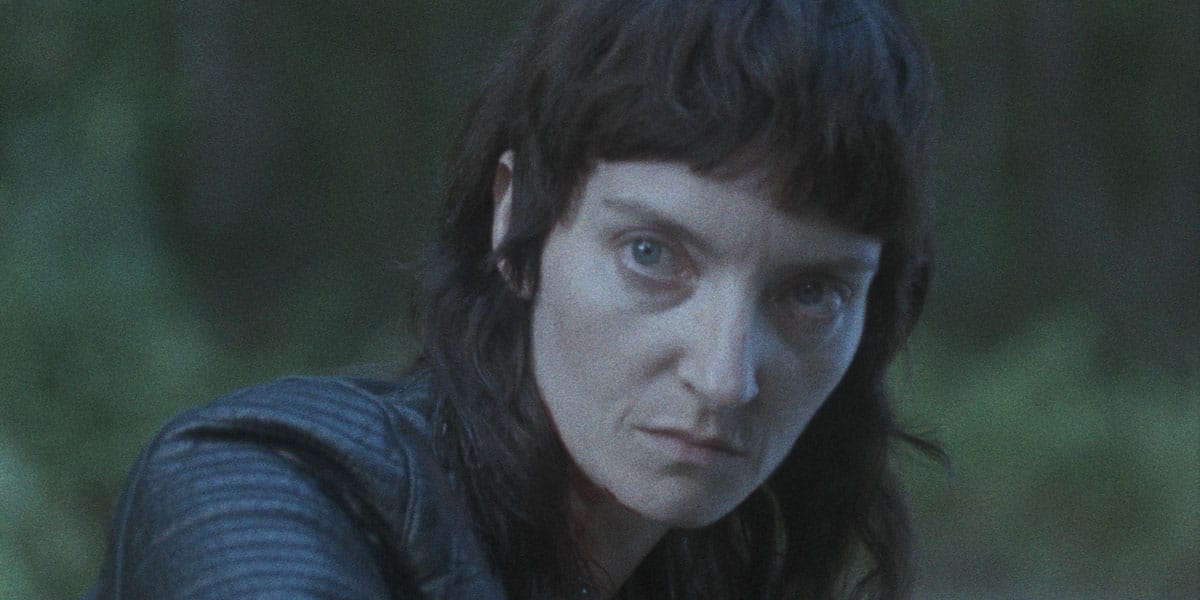
It also boasts an exceptionally striking lead performance by Larissa Corriveau, the actor whose previous collaborations with the director include Mademoiselle Kenopsia (TIFF ‘23). Corriveau stars as Mira, an enigmatic and largely silent young woman who works for an equally mysterious organization that facilitates requests for euthanasia. Seemingly stone-hearted as she travels from client to client in the film’s eerie dystopian society, Mira nevertheless comes to question her mission after encounters with two unconventional men: Pierric (Xavier Bergeron), a free spirit she meets at a wintry outdoor rave party, and Ludo (Philippe Rebbot), her charismatic and hedonistic boss.
Director: Denis Côté
Cinematography: Vincent Biron
Cast: Larissa Corriveau, Philippe Rebbot, Xavier Bergeron, Gabrielle Lazure, Pierrette Robitaille, Eve Pressault, Amélie Dallaire, Christian Lapointe
Why Nobody’s Violence Might Be Worth a Watch
Denis Côté has spent more than 20 years making Canadian films that are comfortable drifting outside conventional narrative expectations, and Nobody’s Violence is one of the less obvious films this high on my TIFF priorities. That is part of the appeal.
Côté wrote the screenplay during one of the most difficult periods of a long kidney illness before receiving a transplant in 2023. He has been careful not to describe Mira as a direct stand-in for himself, but the film’s strange position between life and death grew out of a period when mortality was not an abstract subject for him. Côté describes the film as “supernaturalism”: the world remains recognizable, but some of what happens no longer fits comfortably within straightforward realism.
Mira’s work has also made death routine, and stepping outside that routine forces her to consider what she wants from her own life.
The film arrives from Locarno with a special mention for Xavier Bergeron, but it is still a relatively small Wavelengths title beside TIFF’s larger Canadian premieres. If part of the point of a festival is finding Canadian cinema you might not otherwise encounter on a large screen, this is exactly the kind of film I want to make room for.
2. Ladies and Gentlemen, Brian Mulroney
Premiere Status: World Premiere
Programme: Midnight Madness
What is Ladies and Gentlemen, Brian Mulroney About?
(from TIFF 2026 – Peter Kuplowsky)
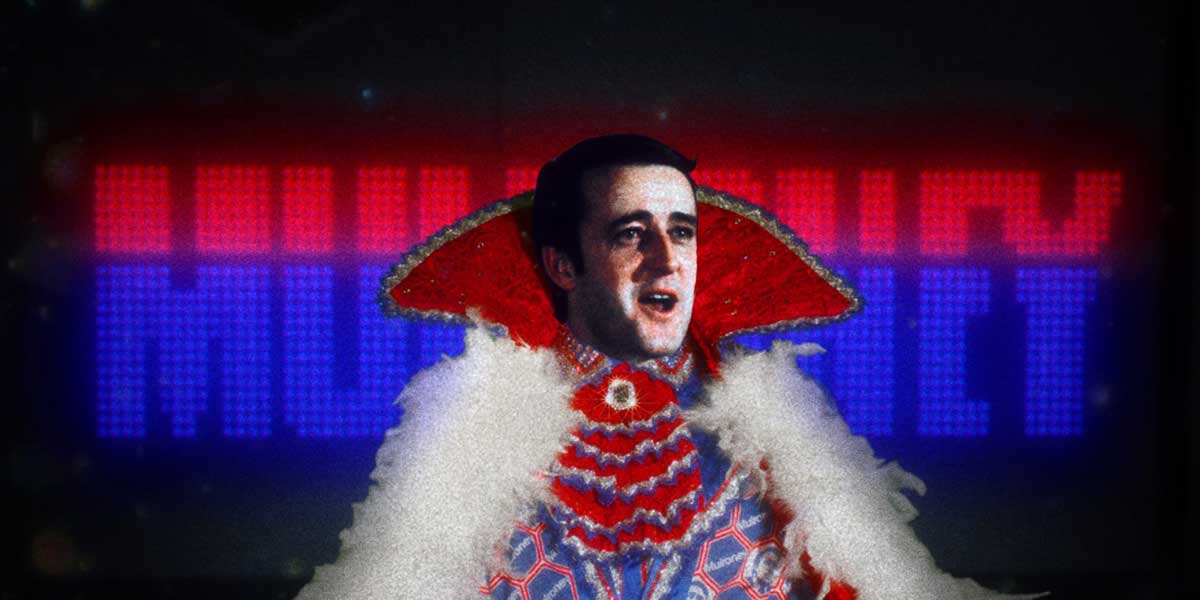
Through an episodic remix that transforms thousands of hours of archival footage, Rankin astutely tracks the political maneuvering that took place during the 1976 Progressive Conservative leadership convention and into the 1980s Canadian landscape right before Mulroney’s clinching the title of prime minister. Only he infuses this political soup with nostalgic intrusions of Canadian television and outlandish dramatizations, from Mulroney conferencing with a former PM’s pickled brain to Pierre Trudeau despotically ruling the country as a floating head like TRON’s Master Control Program. The result is reminiscent of Rankin’s debut feature, The Twentieth Century (TIFF ’19), which reimagined the ascension of William Lyon MacKenzie King as a German Expressionist farce, and especially his early collage work.
Director: Matthew Rankin
Cinematography: Alexandre Lampron (reenactments)
Featuring: Brian Mulroney, Joe Clark, Pierre Elliott Trudeau, John Diefenbaker, René Lévesque, Lucien Bouchard, John Turner, Mila Mulroney, Maureen McTeer
Why Ladies and Gentlemen, Brian Mulroney Might Be Worth a Watch
A feature-length NFB documentary about Brian Mulroney premiering in Midnight Madness is probably the fastest possible explanation for why this is sitting at number two.
The more important part is that Matthew Rankin is making it. The Twentieth Century turned Mackenzie King’s rise into a completely deranged alternate version of Canadian political history, while Universal Language continued Rankin’s interest in constructing a Canada that feels simultaneously familiar and completely invented. Here he is working with actual archival material, political advertising, television, and popular culture rather than simply recreating the period around Mulroney.
A political career reaches most people through speeches, advertising, television appearances, campaign images, news coverage, jokes and scandals. Rankin is using those materials themselves to examine how Canadians came to know Mulroney as a public figure.
Rankin has roughly 80,000 pieces of archival material to play with, and TIFF putting the result in Midnight Madness rather than Docs tells us not to expect a polite sequence of historians explaining the Meech Lake Accord. A Canadian political documentary being treated like one of the festival’s midnight genre events is exactly weird enough to justify putting it this high.
1. A Long Winter
Premiere Status: Canadian Premiere
Programme: Special Presentations
What is A Long Winter About?
(from TIFF 2026 – Jason Ryle)
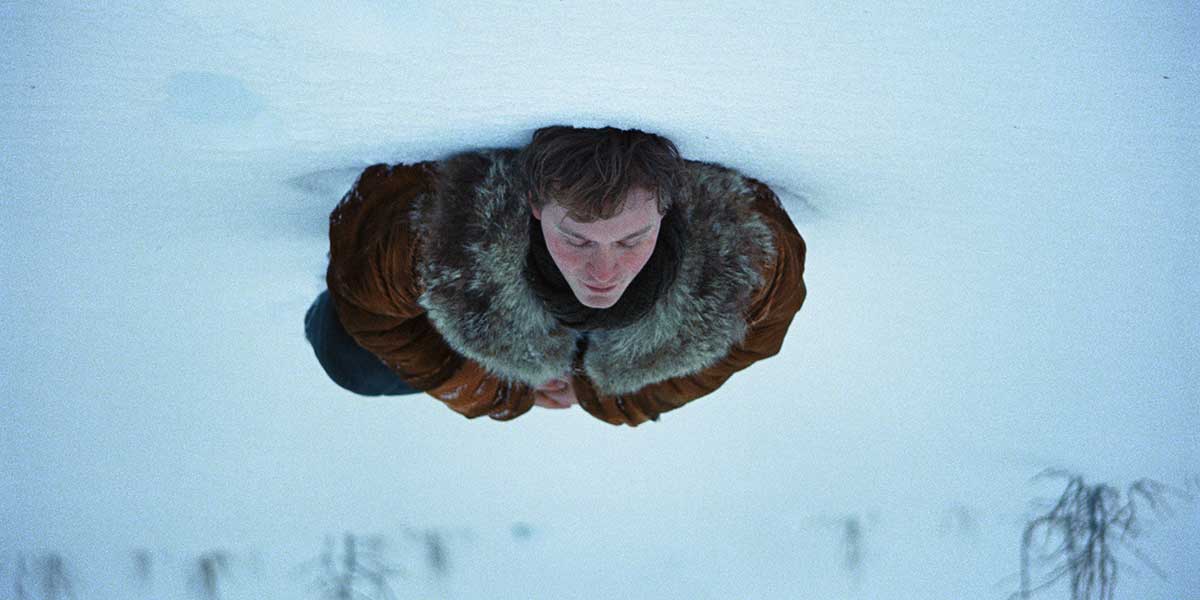
Adapted by Haigh and Colm Tóibín from the acclaimed Irish novelist’s short story, A Long Winter follows Mike (Fred Hechinger), a young man on the cusp of adulthood whose life is upended when his mother disappears during the first blizzard of the season. As the search stretches from days into weeks, the onset of winter becomes inseparable from the family’s slow reckoning with the possibility that she may never return.
While Mike’s emerging sexuality forms part of his journey, Haigh’s gaze remains fixed on something broader: the emotional fault lines that open within a family when normalcy is ruptured. Set in the mountains of Colorado and filmed in the breathtaking Canadian Rockies, the vast landscape is both beautiful and unforgiving, mirroring the emotional distance between Mike and his stoic father.
Director: Andrew Haigh
Cinematography: André Turpin
Cast: Ebon Moss-Bachrach, Caitríona Balfe, Kit Connor, Fred Hechinger, D’Pharaoh Woon-A-Tai, Manuel Garcia-Rulfo, David Furr
Why A Long Winter Might Be Worth a Watch
I considered moving A Long Winter somewhere else purely because I already put it at number one on my overall TIFF list, but that would be a pretty silly reason to pretend I suddenly want to see another Canadian film more.
Andrew Haigh directed All of Us Strangers, one of my favourite films of the last decade. I watched it not long after my father died, so there is no useful way for me to separate that timing from how hard the film hit me or why it has stayed with me. More broadly, Haigh is exceptional at portraying grief, loneliness, desire, and the small failures of communication that can make people who love each other feel impossibly far apart.
A Long Winter brings him back to many of those ideas through Colm Tóibín‘s story of a family living with a disappearance they cannot resolve. The mother may be physically absent, but that absence changes every relationship left behind, while a worsening winter makes the emotional isolation literal without needing to turn the landscape into an oversized metaphor.
The Canadian element is substantial enough that I am very comfortable leaving it here. This is officially a Canada-UK co-production, it was filmed in the Canadian Rockies, including Alberta, and André Turpin is handling the cinematography. Add Fred Hechinger, Ebon Moss-Bachrach, Caitríona Balfe, Kit Connor, and D’Pharaoh Woon-A-Tai, and there was never much chance I was going to move it simply for the sake of giving this list a different number one.
The ten films above only represent one route through the Canadian work playing TIFF this year. With films coming from across the country alongside international co-productions, Indigenous filmmakers, Quebec cinema, documentaries, genre work, and films that resist fitting comfortably into any one category, the Canadian programme is much broader than a single Top 10 can reasonably cover.
For now, though, these are the ten I would be most reluctant to miss. I will have much more coverage from TIFF once the festival begins, including individual reviews and a separate look at some of the films that may be getting less attention than the major premieres.


