

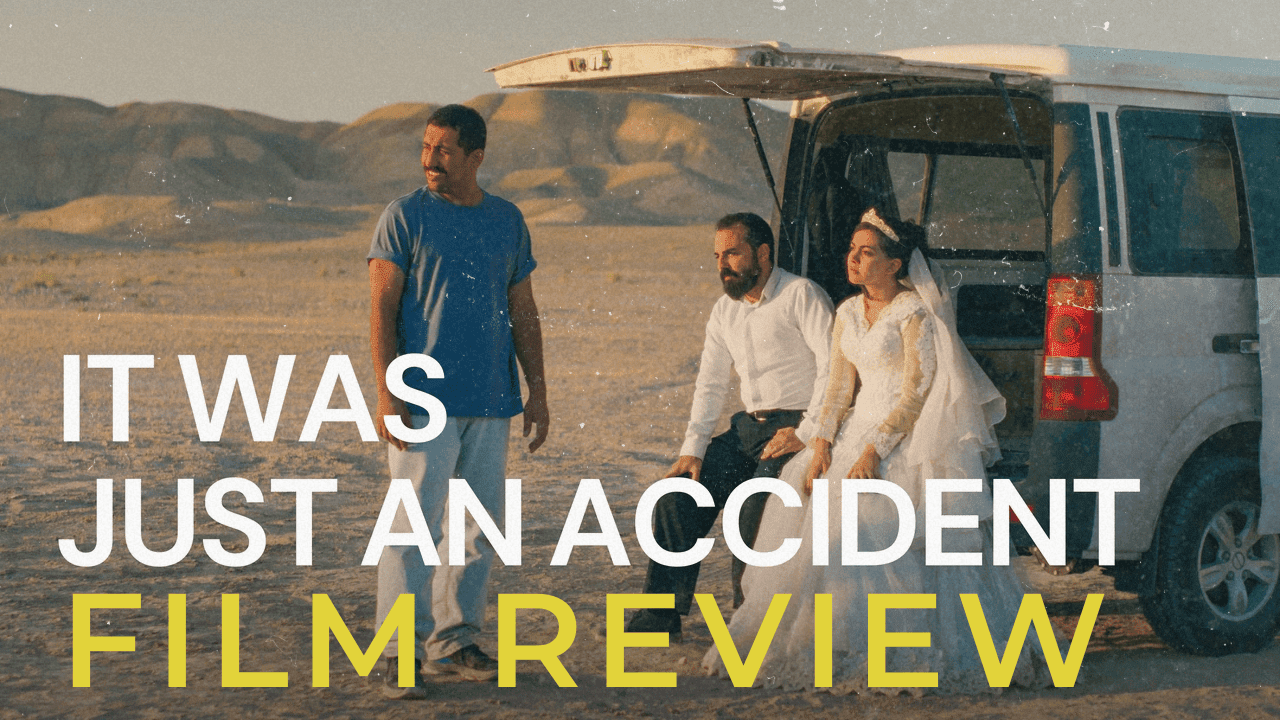

It Was Just an Accident FILM REVIEW: Addressing “Justice”
At this point in his career, Jafar Panahi is more than “just” a filmmaker; he is an artist and a fighter whose practice has been shaped by ongoing bans and arrests. He has made films while prohibited from doing so, served two prison sentences, and continued producing work that challenges authority and grapples with almost unanswerable questions. This latest project, It Was Just an Accident, grew directly out of conversations Panahi had with fellow prisoners between 2022 and 2023, and as a result, the film is grounded in both his experience and that of many others held under the Iranian regime.
What is It Was Just an Accident About?
The film follows Vahid, a mechanic and former political prisoner. When he hears the squeak of a prosthetic leg in his shop, he becomes convinced the customer is the man who detained and abused him. He takes the man into his van and holds him while he decides what to do next. Other former detainees, each with a history involving this same figure (whom they call “pegleg”), join the situation. What follows is a sustained negotiation of justice: how to reconcile the desire for punishment with the case for restraint, and whose right it is to define these terms in the first place.
Claustrophobia and Faux Freedom in It Was Just an Accident
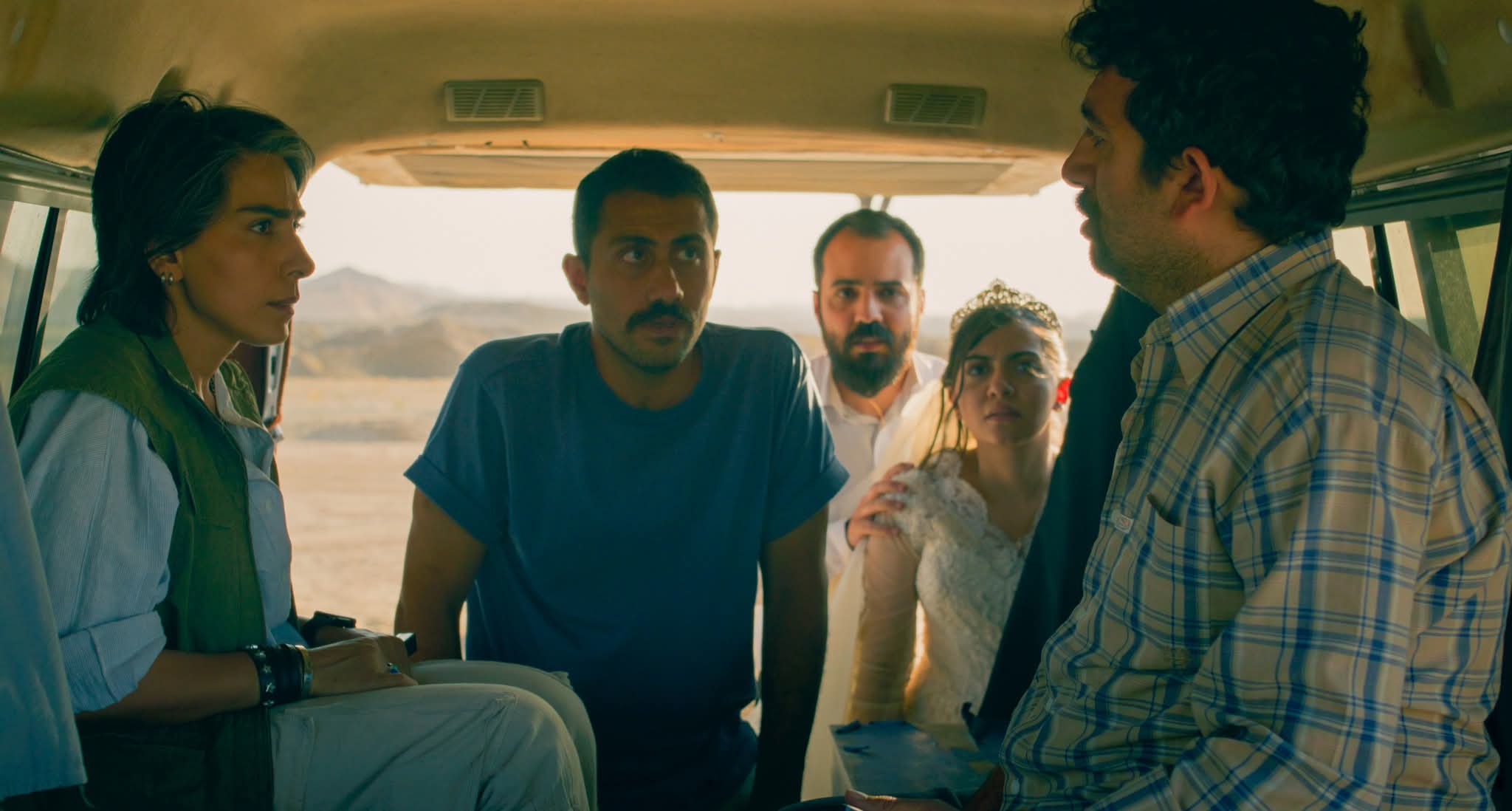
Panahi and cinematographer Amin Jafari build a visual system that intentionally emphasizes confinement. In much of the film, they employ tight blocking and close framings, often inside cars, and compress bodies into the frame until you can’t escape the characters’ claustrophobia. The van becomes a central apparatus for this: at times, five or six people pack into the space, restricting movement and sightlines. Doors, mirrors, and headrests interrupt faces and mark lines of power within shots.
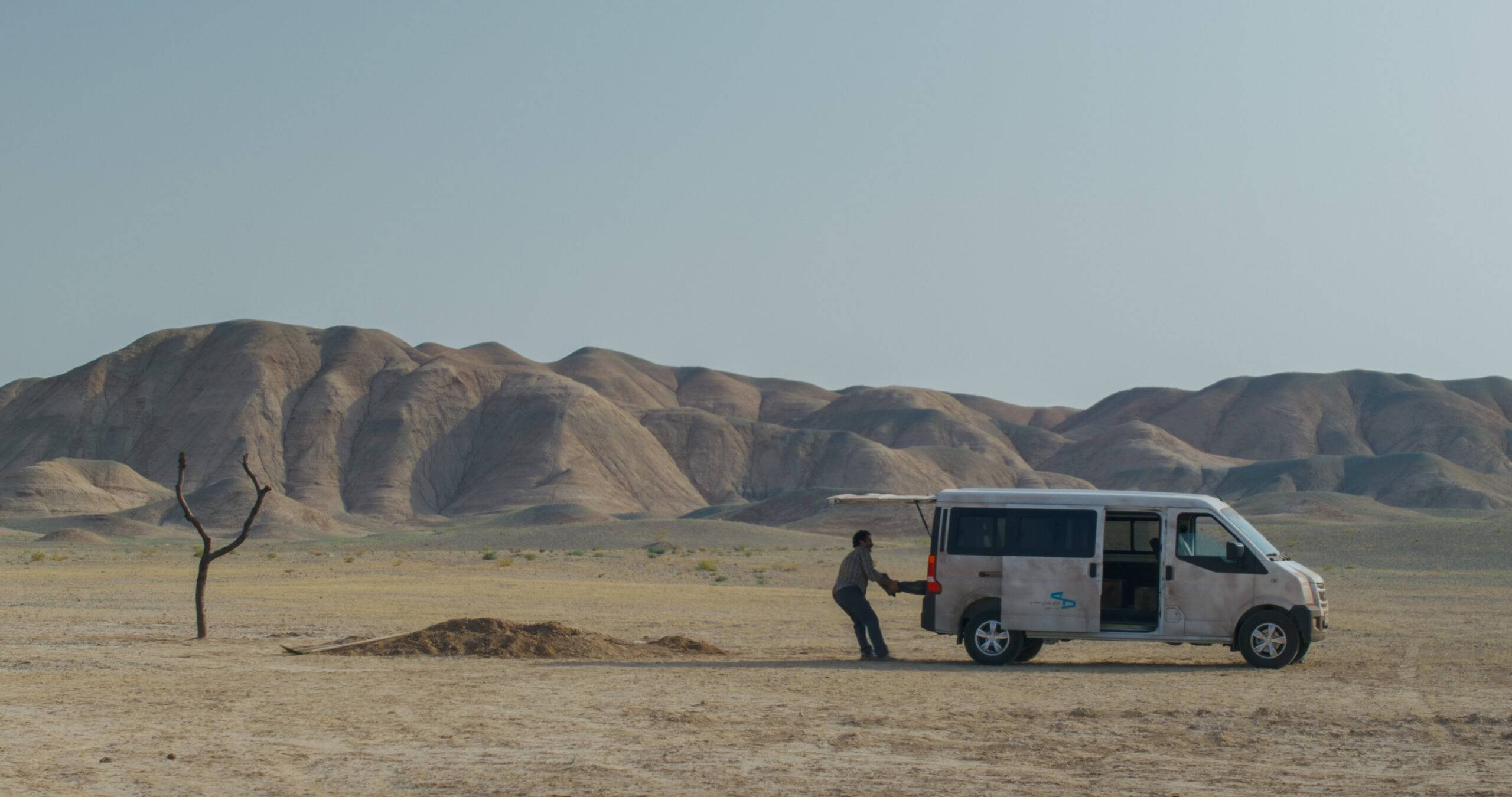
When the story shifts outdoors, it does not offer relief so much as a different kind of limit. The desert opens into wide, seemingly endless frames. There is space everywhere, but almost no sense of direction. This contrast is, of course, deliberate: suffocating interiors versus expansive exteriors that only simulate freedom. These images suggest something that Panahi himself has articulated throughout the years – that release from prison does inherently bring any sort of “true” freedom. The wide and expansive deserts should, in theory, allow the characters on screen to feel free, but in reality, they are still held captive by their trauma and their current realities on the “other side”.
As in much of Panahi’s work, non-professionals anchor the ensemble. There are trained performers in the mix, but most are people with other jobs. Vahid (Vahid Mobasseri) is played by a taxi driver; Shiva (Marian Afshari) is a karate referee; Hamid (Mohamad Ali Elyasmehr) is a carpenter. Every cast member went into this project understanding its inherent risks, and there is no “poor” performance to be seen.
Jafar Panahi and an Exploration of Division and Justice
As is expected, Panahi’s pacing is unhurried. Scenes stick to long takes, with individuals drifting into and out of frame. Some viewers may feel that it drags in patches, which is fair; Panahi moves at his own tempo and trusts you to patiently absorb each character’s struggles. Out of all of Panahi’s directorial decisions, one choice stands out, though. Until late in the film, the suspected torturer appears alone in every shot, while the other characters are often seen huddled together, with many sharing the frame together. This figurative “drawing of a line in the sand” effectively showcases the divides within Iran, and how easy it is to sow this division.
It Was Just an Accident also shows us how different people process trauma and perceived injustice. Some turn hard and want payback, with the belief that revenge is the only effective form of justice. Some get smaller and pull inward. Some get more political, while others pull away from politics altogether. Panahi respects these differences and doesn’t push toward a single answer. In fact, the final act reinforces the notion that there is no truly “correct” response.
Is It Was Just an Accident Worth a Watch?
The film won the Palme d’Or at Cannes, the festival’s top prize, and is positioned to compete for Best International Feature Film at the 2025 Academy Awards against titles like Sentimental Value (Joachim Trier) and No Other Choice (Park Chan-wook). It is not a flawless film, but it is essential viewing if you are interested in cinema as civic practice and in how craft can make ethics visible. Even if you disagree with some choices, the final movement is executed with precision and leaves a mark on how you read everything that came before.
It Was Just an Accident is making its wide theatrical release in North America on October 24, 2025.


