

Chris Stuckmann Interview: NEON, Jehovah’s Witness Childhood, and Inspiring Young Filmmakers
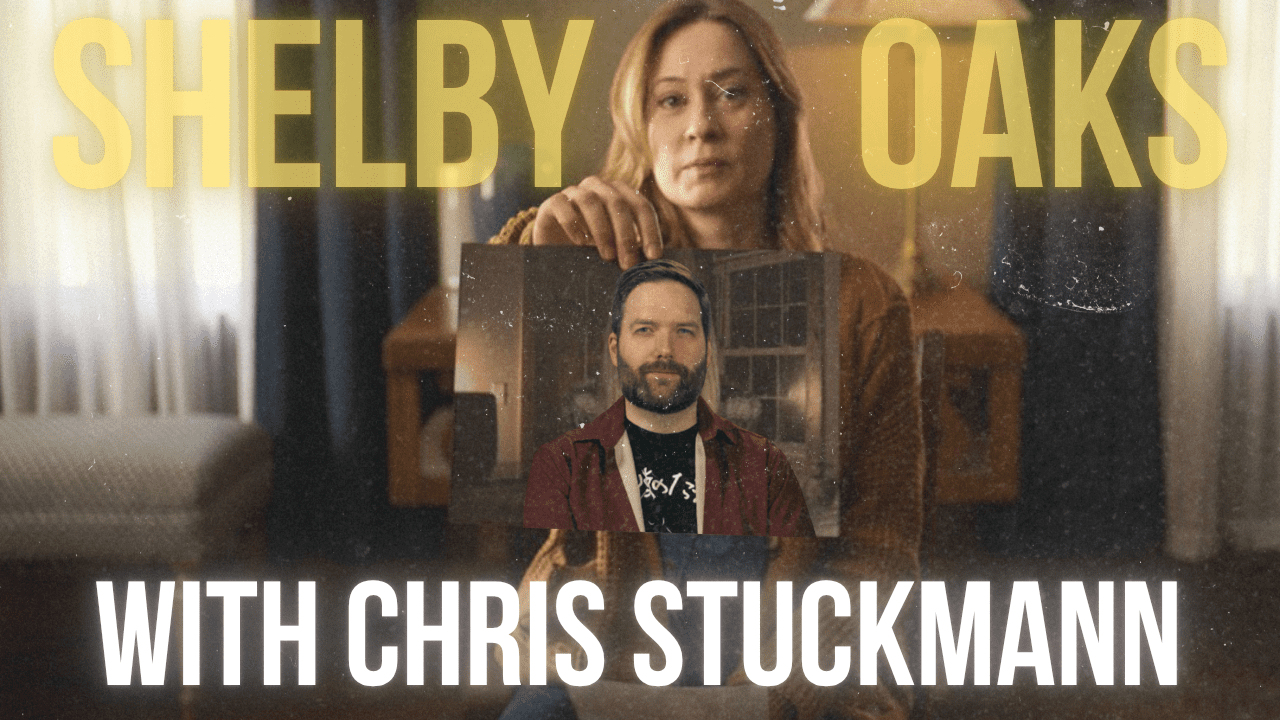
Shelby Oaks is the feature film debut from YouTube’s own Chris Stuckmann. After premiering at Fantasia Fest, the film was acquired by NEON (Elevation Pictures will handle distribution in Canada). (Elevation Pictures will handle distribution in Canada) I sat down with Chris ahead of the theatrical release on October 24, 2025, to chat about NEON coming on board, reshoots, VFX, the importance of family, and how the film was shaped by his childhood as a Jehovah’s Witness.
NEON Coming on Board and Running Out of Money Shooting Shelby Oaks
Points of Review: Since playing at Fantasia Fest last year, Shelby Oaks has had several different cuts. How does the “finished” cut folks will be seeing in theatres compare to your first version of the film?
Chris Stuckmann:
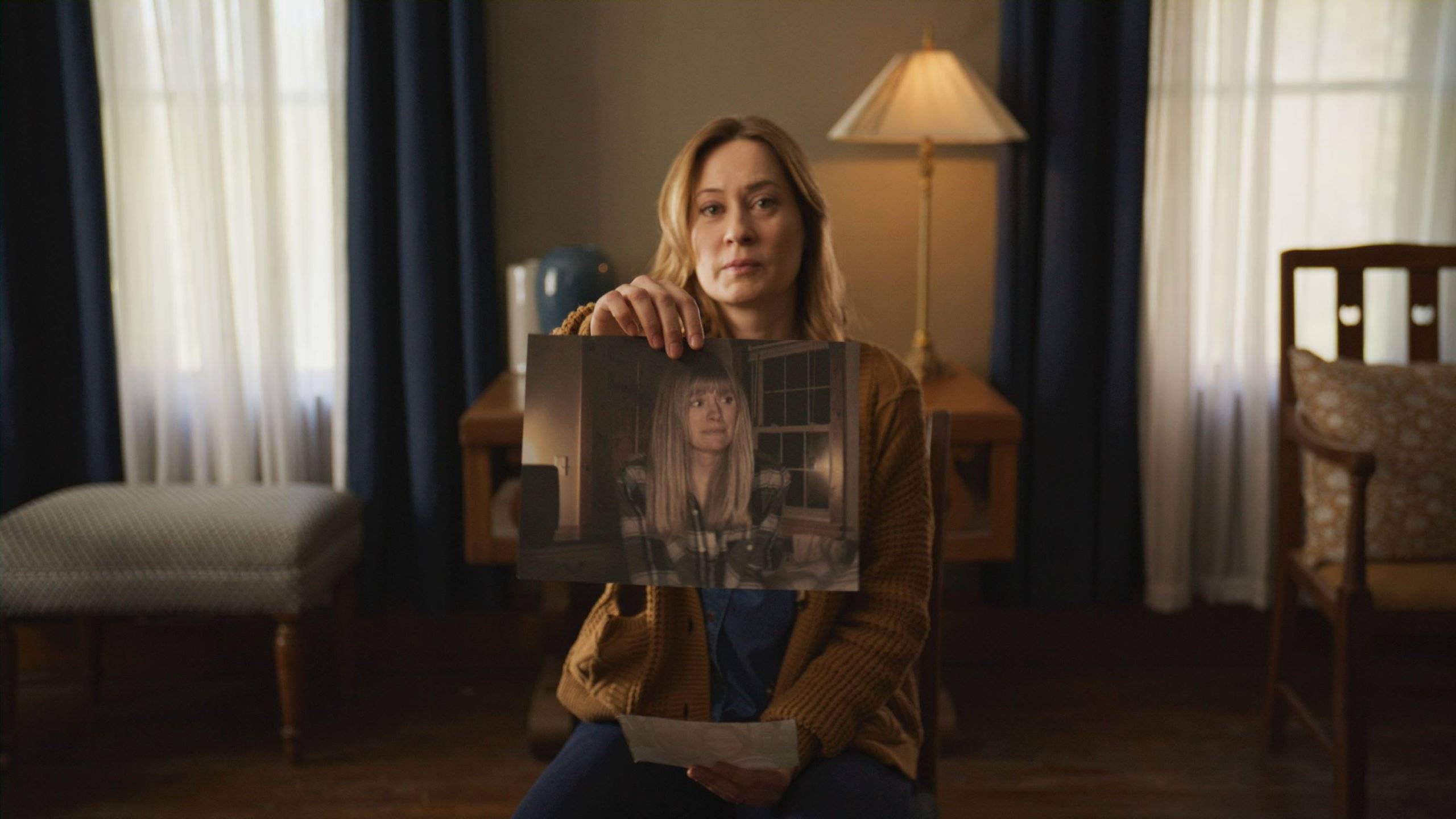
We ran out of money when we shot the movie in Ohio, truth be told. We finished the movie and debuted it at Fantasia, and it went really well. Neon acquired the movie and read my original draft, and as with many films, you have to cut things because you don’t have time to shoot them. You realize, “I can’t shoot that, so I’m gonna put it out of my mind, and I’ll mourn it later.” For me, it was a lot of practical work — gore, creature, animal work. That stuff is time-consuming. On an indie film, it takes forever, is really hard to do, and eats away at your schedule. So Neon gratefully gave me three extra days to go in and do all of that technical work. We did the dog work; we did some of the gore work. We were able to put some of that back into the movie because they read the script and said, “This is cool.” Once we decided that we were doing that, it was very exciting.
Chris Stuckmann:
Neon is a filmmaker-first company. That’s their core — that’s what they do and that’s what they say. They acquired the movie out of Fantasia and were very supportive from the beginning. Their motto is basically: “We have time and a little extra money. If you want to do this thing you wanted to do, you can. If you don’t want to, that’s fine; we’ll release the movie as it is because we’re fine with the way it was.” They bought it the way it was. For me, it was a dream scenario to be able to revisit some ideas I’d already mourned and thought, “I’ll never see that,” then be told, “We think these ideas are cool, and we wanna do this the right way,” and to be able to do that.
Mixing Mediums and Exploring Family in Shelby Oaks
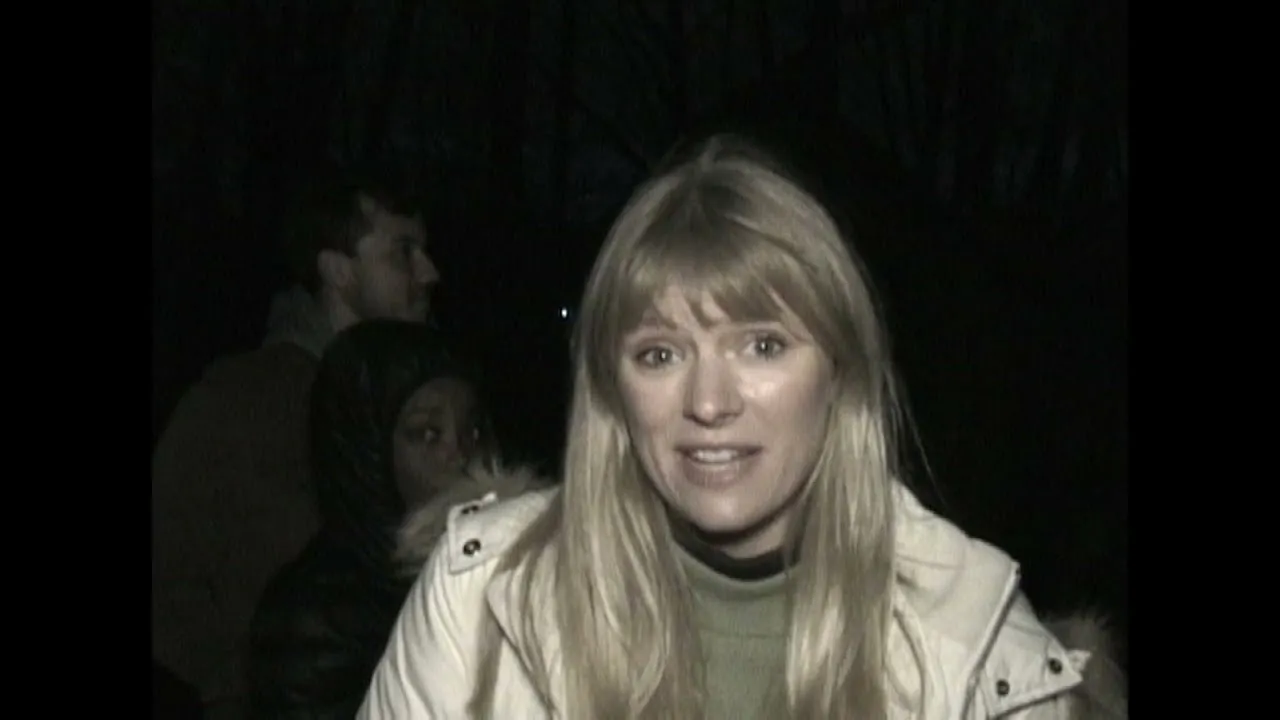
As a filmmaker, that’s obviously a dream. In Shelby Oaks, you start with some found footage and an almost “true-crime” documentary feeling, but after 15 minutes or so, you make a clear shift in tone and style. What led you to explore different mediums in this way?
Chris Stuckmann:
Every time I would watch true-crime shows, I was fascinated by the way they use recreations for the interviewers and for the interviewed person — the way they pair the two together. I wanted to have cameras in the movie that the characters are aware of and cameras that they are not aware of. Also, the ideas of how “mockumentaries” work were interesting to me. When you watch a mockumentary, we are all in on the joke; we all believe it is staged. I wanted to find a way to exit the mockumentary and enter the found-footage space, and then also return to a more traditional narrative. The idea is: can we tell a story in a mixed-media way, but also have it be straightforward so it doesn’t feel confusing?
Chris Stuckmann:
For me, it’s looking at things that should be safe. When these things become the opposite, it is the most disturbing. When you should be able to go into the water, you shouldn’t be worried, but then a shark might pop up, and now you should be worried. Those things that we all feel are safe to us — like the comfort of our home — when they become the opposite, I think those are always the things that scare me the most. And I think family is supposed to be the safest place. When the family breaks, when the family’s fractured, or the family has a long-standing scar from childhood trauma or from things that were never really worked through or discovered, a life can sometimes be fractured. A lot of writers and filmmakers are using their art form to work through something. Sometimes it’s trauma of their past, and sometimes it’s just a general feeling like what should be safe isn’t — and that scares people. I think taking something we look at and say, “Well, that’s safe; I don’t have to worry about that,” and then finding a way to make you realize there could be some horror there is powerful.
Being Raised as a Jehovah’s Witness and Inspiring Future Filmmakers
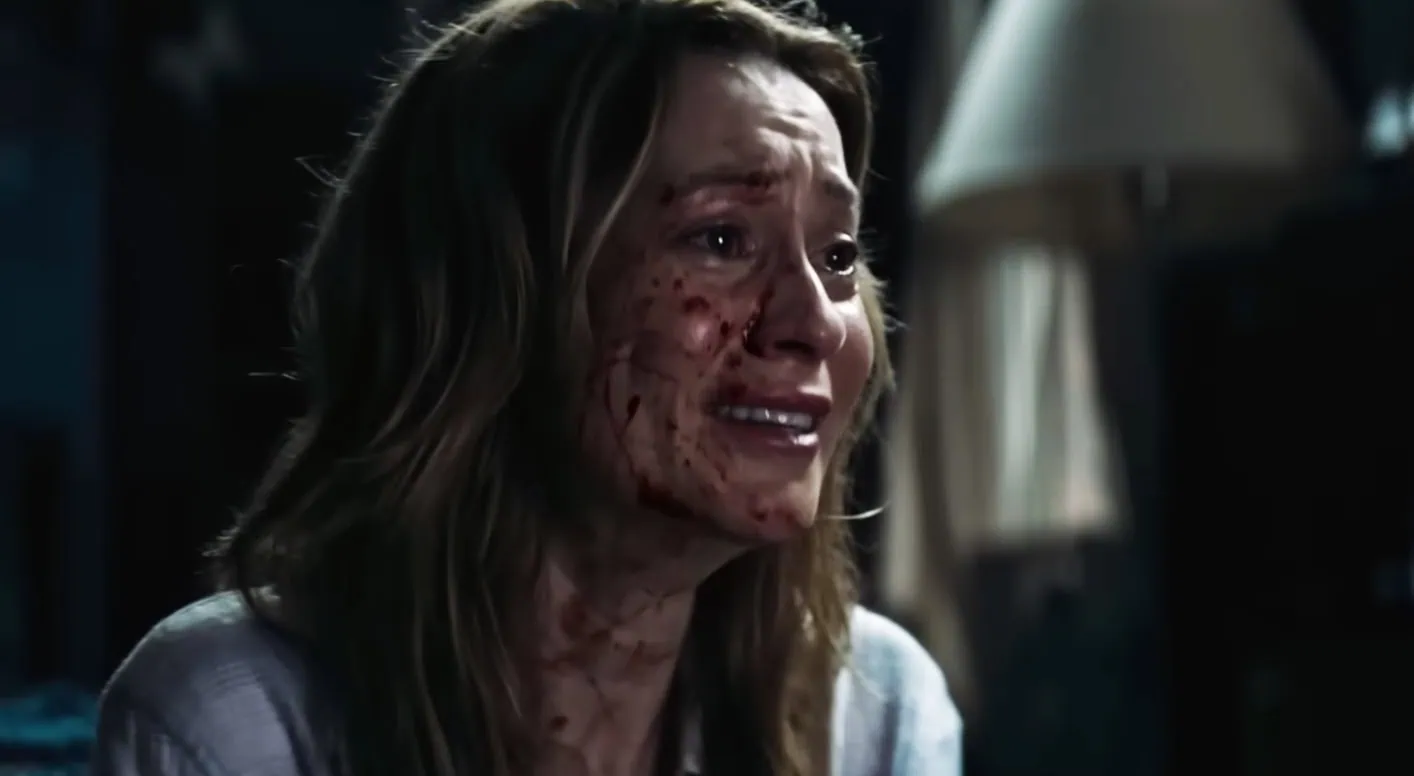
That makes sense, especially when we think about your childhood and being raised as a Jehovah’s Witness. How did that influence your approach to Shelby Oaks?
Chris Stuckmann:
It’s twofold. There’s the element of my sister and her being disfellowshipped when I was young, and then not seeing her for over ten years. The idea in the film of not giving up on that person and going to find them is related to that. The second aspect is the experience I had with oppressive religion. I consider the Jehovah’s Witnesses a cult, and they generally control the minds of their parishioners and the people inside the religion. You’re always at the behest of men you don’t really know who hold power over your life — that is scary. The idea of a thing that might be there watching over you and trying to move and maneuver your life, and change where your compass is going, is inherently scary. With Mia and Riley, there’s this idea of something that has always been overseeing their lives and guiding them toward a dark fate.
Chris Stuckmann:
I want people to be creeped out and very scared and uneasy and unsettled — like it got under their skin. But more than that, I would love aspiring young filmmakers to see the film and think, “Okay, I can make a movie. I can go home and start writing or finish that thing I’ve been putting off.” That is the kind of inspiration I’m always looking for when I go to the movies. I want that from Shelby Oaks as well.


