



Sad Girlz Film Review | Chicas tristes Refuses to Turn Pain Into Spectacle
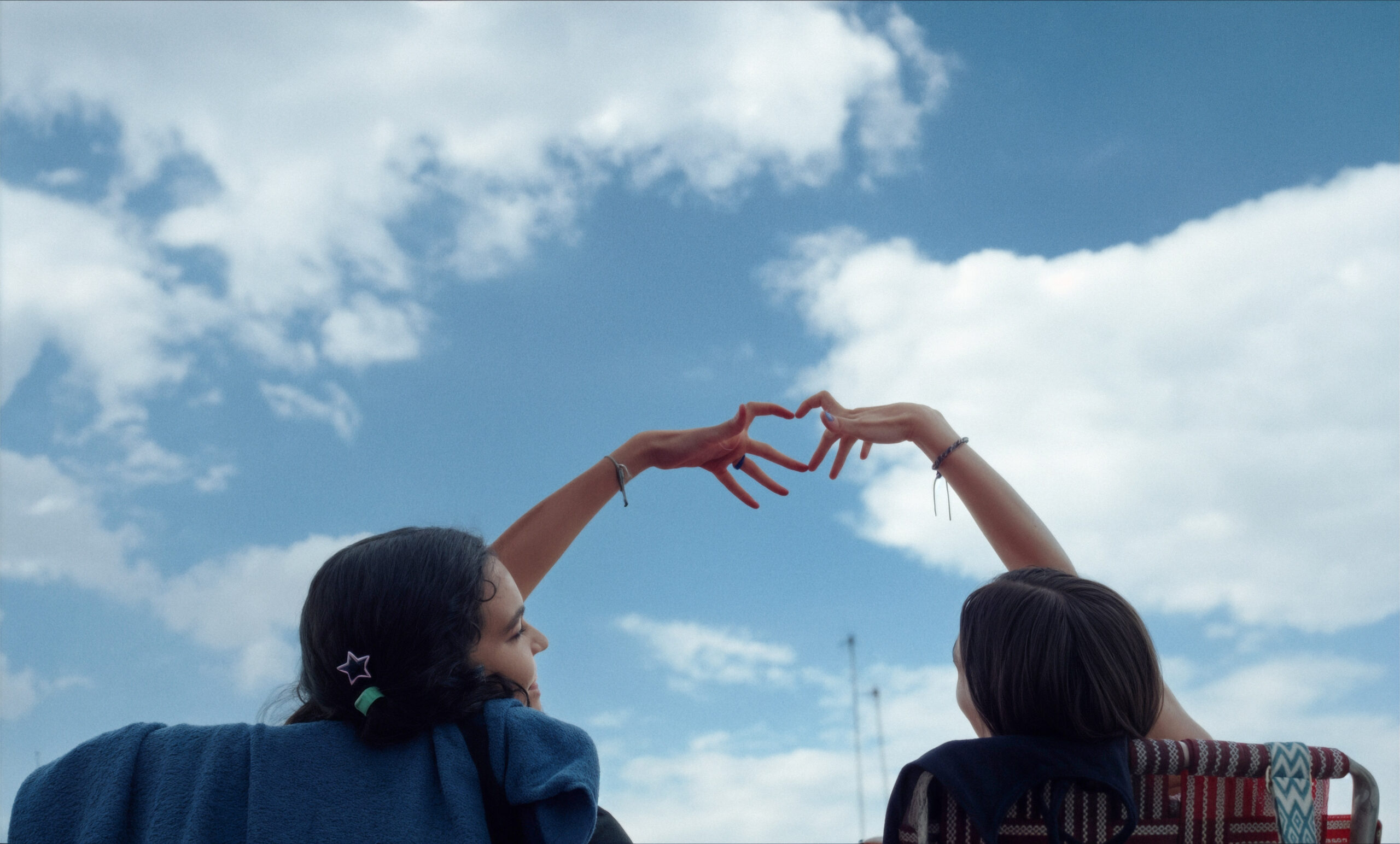
There is something telling about the path Sad Girlz has taken over the last few months. Written and directed by Fernanda Tovar in her feature debut, the Mexican-Spanish-French co-production premiered in the Generation 14plus section at the 76th Berlin International Film Festival, where it won both the Crystal Bear and the Grand Prix of the International Jury for Best Film.
That is a pretty significant start for any debut, but Sad Girlz still feels like the kind of film that could easily pass a lot of people by. It is not especially loud. It is not built around a massive star. Yet, as it continues to play at festivals, including Tribeca, it also continues to make sense why people are responding to it.
There is also something important about the way the film was made. Tovar developed Sad Girlz through Colectivo Colmena, a filmmaking collective built around an ongoing exchange of ideas. The members read one another’s scripts, watch each other’s edits, and create a support system around the long and often isolating process of making a film. For a project dealing with material this heavy, that context feels especially relevant. Tovar spent eight years writing the script, and you can feel that time in the finished film, not because it feels overworked, but because it approaches its subject with patience and care.
This is a film about sexual violence, but thankfully, Tovar does not treat that violence like a dramatic hook. A worse version of this movie could have easily turned violence into the “big moment” of the narrative, using it as a blunt emotional pivot and then asking the audience to process everything through shock. Sad Girlz is doing something more careful than that. It is less interested in the event itself than in the sadness, confusion, anger, guilt, and silence that follow.
What is Sad Girlz About?

The film follows La Maestra (Rocío Guzmán) and Paula (Darana Álvarez), two sixteen-year-old swimmers who are inseparable friends and the strongest athletes on their team. They are training through the summer with hopes of representing Mexico at the Junior Pan American Swimming Championship.
There is the pool, where everything feels controlled and physical. There are the bright streets, where their friendship has a more casual and open energy. There are parties, bedrooms, cars, and shadowy interiors, where the same relationship starts to feel less secure. It is a compact world, but it feels full enough to understand why this friendship means so much to both of them.
One night, at a party, Paula ends up alone with Daniel, a friend and longtime crush. Instead of showing the ensuing violence, Tovar cuts to the aftermath.
The Portrayal of Trauma and Sadness in Sad Girlz

The girls are in a car, and for a moment, Sad Girlz seems to lose the stillness that defines so much of the film. The image becomes a rush of colour, sound, movement, and sensation. It does not explain what has happened, nor does it tell the audience how to feel. It simply creates a space where the confusion becomes almost physical.
That is what makes the scene so devastating. The whirls of colour and sound create a chaotic sense of loneliness, and sadness, and confusion without ever underlining the emotion. There is no speech that organizes the moment for us. There is no clean dramatic pause. The world keeps moving around Paula, but something inside her has been knocked loose.
This, in tandem with the long moments of silence and unspoken words, bring to light a sort of “intrinsic sadness”. Tovar is not avoiding the seriousness of what happened. She is refusing to sensationalize it. There is a big difference, and Sad Girlz seems to understand that line better than a lot of films that take on similar material.
The camera often has a slightly voyeuristic quality after this, but not in a way that feels exploitative. Rosa Hadit Hernández’s cinematography gives the girls space as they deal with trauma in their own ways. We are allowed to watch intimate moments, but usually at a distance, as Paula and La Maestra are not always able to articulate what they are feeling to each other, let alone to us.
Hernández’s background in underwater photography also adds to the swimming scenes, which are some of the most beautiful in the film. The pool becomes a place where the body can move with a freedom that the rest of the world no longer allows. Tovar and Hernández spoke about the film over the course of years, and that extended collaboration shows in how closely the visual language is tied to the emotional one.
The film is not without moments of humour, either. Supporting characters occasionally bring levity, even if that levity cannot last. The male supporting characters, in particular, are often well-intentioned, but they fail to see the root of the pain in front of them. That failure is part of the sadness of the film: not just the violence itself, but the inability of so many people around Paula to understand what has actually changed.
Friendship and the Work of Rocío Guzmán and Darana Álvarez
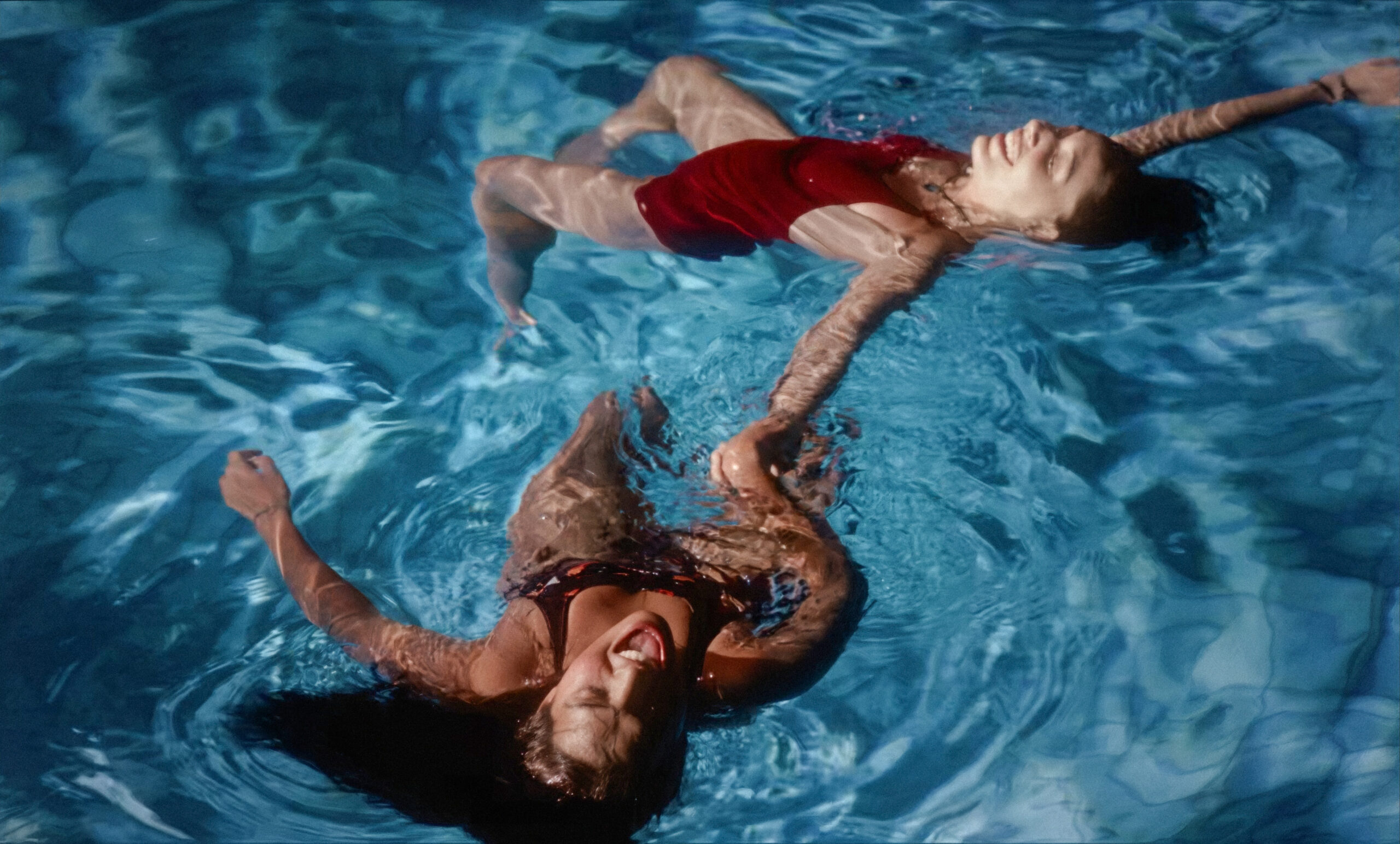
For the film to work, the friendship between La Maestra and Paula has to feel real before it starts to fracture. Guzmán and Álvarez get it there, but not in some broad, generic “best friends” way.
Álvarez plays Paula with an incredibly internal kind of pain. She withdraws, not because she has nothing to say, but because saying it would mean finding shape for something that still feels shapeless. Guzmán, meanwhile, gives La Maestra a completely different energy. She is desperate to take action, to name what happened, to protect Paula, and maybe to force the world to recognize what Paula is not yet ready to fully say.
Importantly, Paula’s silence is not treated as weakness, and La Maestra’s urgency is not treated as simple heroism. Both responses come from somewhere human.
This is also where the film connects most clearly to Tovar’s interest in the sadness she saw around women growing up. Sad Girlz is not just about one incident. It is about the way that kind of violence enters ordinary life and changes the emotional weather around everything. It is a deep, pervasive sadness; one Tovar witnessed as she came of age: shared, often silent, and not always immediately explainable, but perceptible to those willing to actually see it.
Is Sad Girlz Worth a Watch?
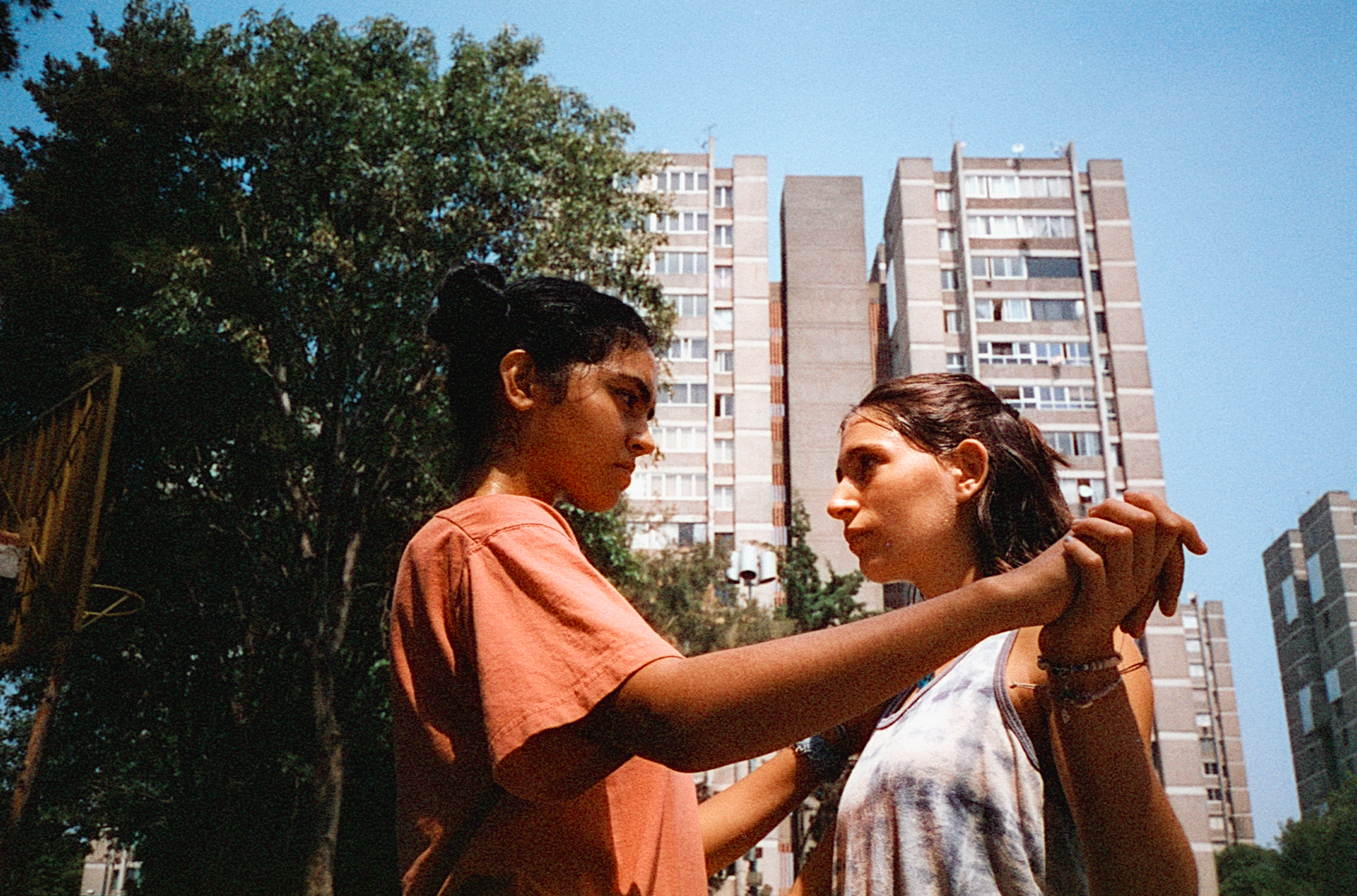
Yes, Sad Girlz is certainly worth a watch. It is not chock-full of overly dramatic beats, but instead gets its power from how carefully it sits with pain that cannot be quickly resolved.
Sad Girlz is not revolutionary. It does not invent a new cinematic language for this material. Some of its broad contours are familiar. But that is also not really the point. The film works because Tovar stays close to these two girls and trusts the specificity of their experience.
I was not a girl coming of age in Mexico City, and I have not experienced this kind of violence. But the film does not become moving by trying to generalize that experience for everyone. It becomes moving because it stays inside Paula and La Maestra’s friendship with enough care that the emotion becomes universal.
It is a sensitive, sad, and impressively controlled debut. It does not give easy answers, and it is better for that. Instead, it watches two girls sit with something that has changed them, and it understands that love, anger, silence, and protection can all become tangled together when there is no clear way back to who they were before.
Sales for Sad Girlz (Chicas tristes) are being handled by Alpha Violet. Distribution for Sad Girlz (Chicas tristes) in France has been picked up by Wild Bunch.


